

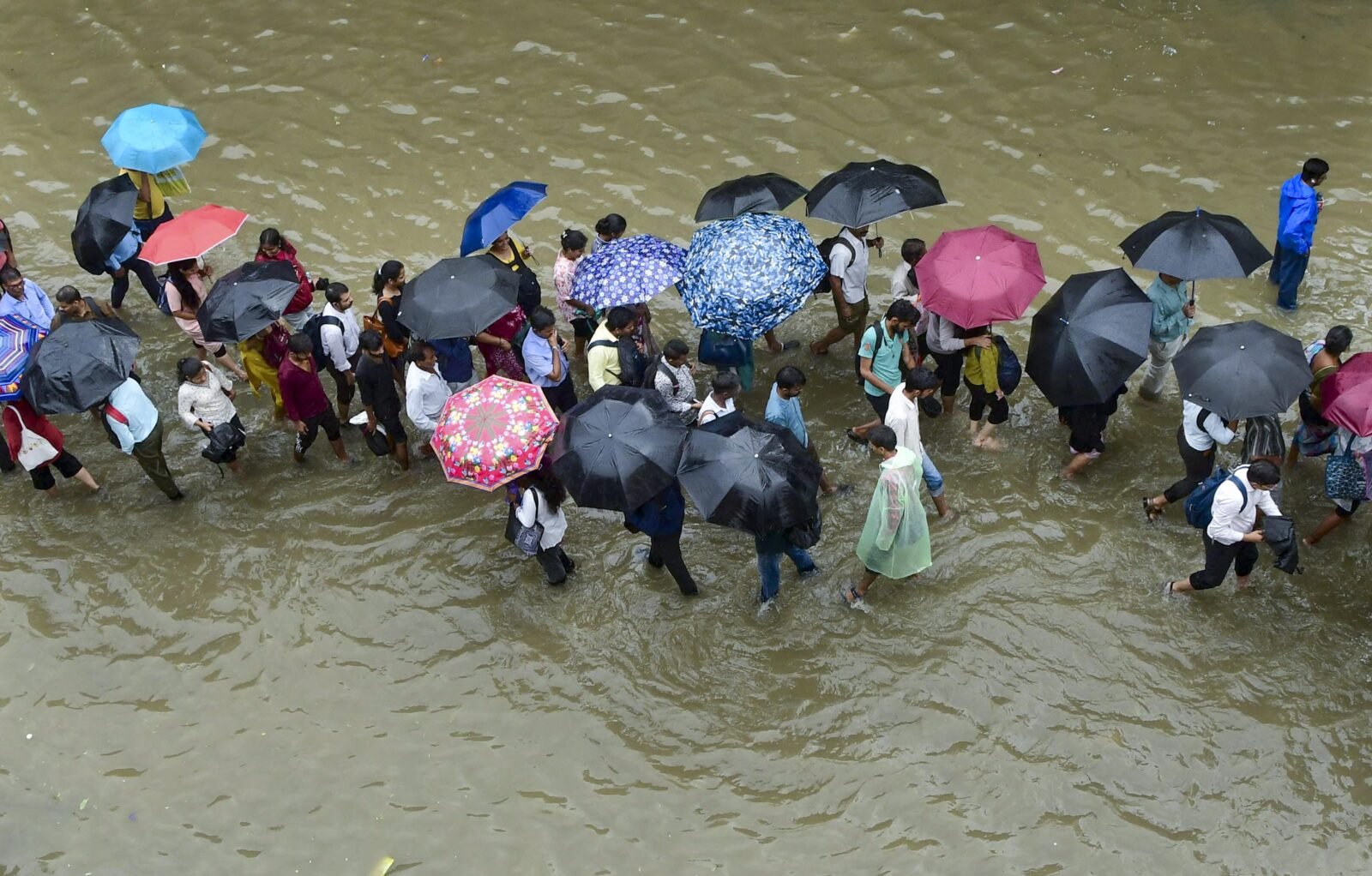
Continuous monsoon rainfall is disrupting daily business operations in many Tier 2 and Tier 3 cities across India. From delayed deliveries and fewer customers to supply chain challenges, local businesses are adopting practical strategies to reduce losses and maintain operations during the rainy season.
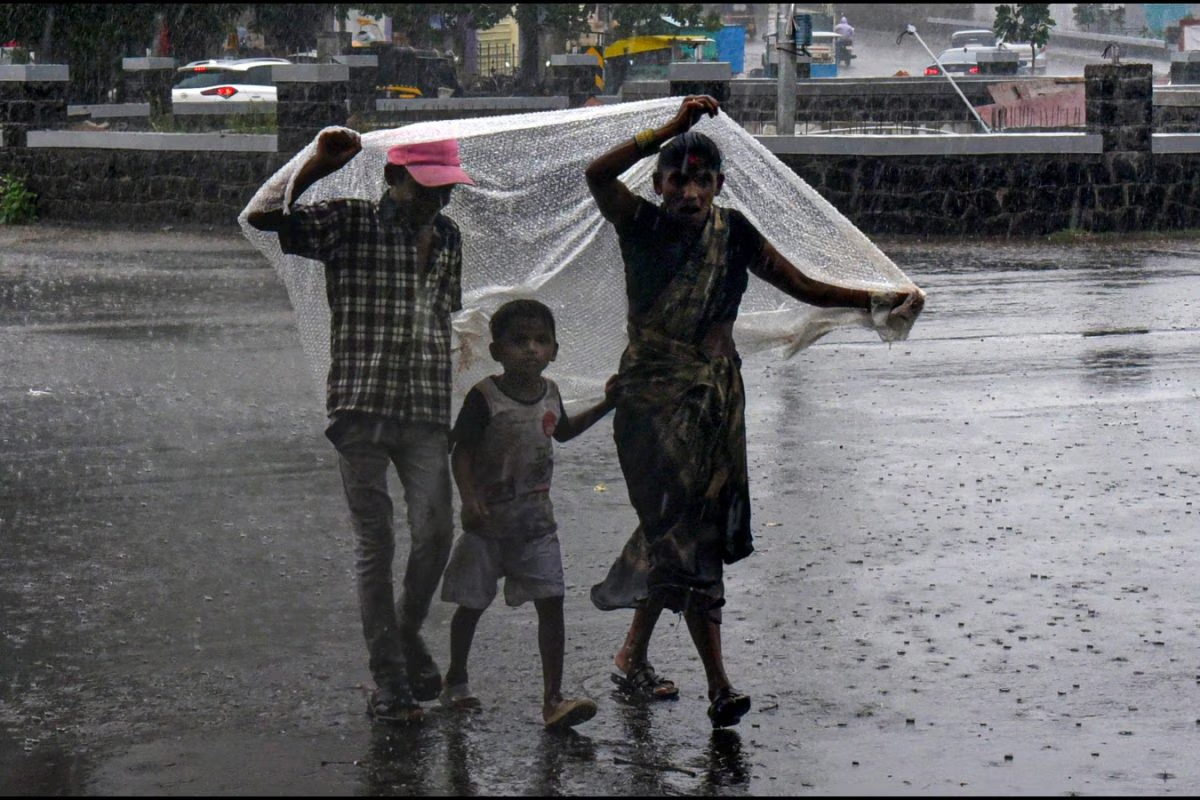
The impact of rain-related disruptions on local businesses has become increasingly visible as heavy monsoon showers continue across several parts of India. Small businesses in Tier 2 and Tier 3 cities are dealing with reduced customer footfall, delayed deliveries, inventory challenges, and rising operating costs. While the monsoon remains essential for agriculture and water resources, it also creates significant short-term challenges for retailers, restaurants, transport operators, wholesalers, and service providers who rely on uninterrupted daily business.
Retail Stores Face Lower Customer Footfall During Heavy Rain
Retail businesses are among the first to experience the effects of prolonged rainfall. Heavy showers often discourage customers from visiting markets, shopping streets, and standalone stores, particularly during weekends and evening hours.
Local clothing shops, footwear stores, electronics retailers, and gift outlets frequently report slower sales during periods of continuous rain. Businesses located in open markets or roadside commercial areas are especially vulnerable because waterlogging and traffic congestion reduce accessibility.
To offset lower walk-in traffic, many retailers are increasing phone-based orders, WhatsApp catalogues, and home delivery services. Even small neighbourhood stores are using digital payment platforms and local delivery partners to continue serving regular customers.
The growing adoption of digital tools has helped several businesses remain connected with buyers despite weather-related challenges.
Supply Chain Delays Affect Inventory and Daily Operations
One of the biggest concerns for small businesses during the monsoon is maintaining a steady supply of goods. Heavy rainfall can slow transportation, delay trucks carrying inventory, and disrupt deliveries between warehouses and retail outlets.
Fresh produce vendors, grocery stores, bakeries, and pharmaceutical distributors often depend on timely deliveries. Even short delays can affect product availability, especially for perishable items such as vegetables, fruits, dairy products, and bakery goods.
Manufacturers and wholesalers in smaller cities may also experience slower dispatches if highways are affected by flooding, waterlogging, or landslides in certain regions. These disruptions can temporarily increase transportation costs and affect inventory planning.
Many businesses now maintain slightly higher stock levels before peak monsoon weeks to reduce the risk of shortages.
Restaurants and Service Businesses Adapt to Changing Consumer Behaviour
Restaurants, cafés, and food outlets often witness changing customer preferences during the rainy season. While dine-in visits may decline during heavy rainfall, demand for takeaway and food delivery services frequently increases.
Several small restaurants have strengthened partnerships with food delivery platforms or expanded their own delivery networks to maintain revenue. Cloud kitchens and quick-service restaurants are generally more flexible in responding to these shifts because they rely less on physical customer visits.
Service businesses such as beauty salons, repair shops, coaching centres, and fitness studios may also see fluctuating customer numbers during prolonged rain. Many have introduced appointment-based scheduling, flexible operating hours, or online booking systems to improve convenience.
Digital communication through social media and messaging apps has become an important way for businesses to inform customers about operating hours, delivery availability, and promotional offers.
Farmers, Local Markets and Traders Feel the Ripple Effect
The impact of heavy rainfall extends beyond urban businesses. Local traders purchasing agricultural products often experience fluctuations in supply as farmers face delays in harvesting and transporting crops.
Vegetable markets, fruit wholesalers, and grain traders may receive smaller quantities during periods of excessive rainfall. Supply shortages can temporarily influence wholesale and retail prices depending on local demand.
Small manufacturers that depend on agricultural raw materials may also face production delays if supplies arrive late. These challenges highlight how closely connected farming, transportation, wholesale trade, and local retail businesses are within India’s regional economies.
In many Tier 2 cities, market associations coordinate with transport operators and suppliers to minimise disruptions and maintain the flow of essential goods.
Digital Adoption and Preparedness Are Helping Businesses Stay Resilient
The experience of recent monsoon seasons has encouraged many local businesses to invest in better planning. Digital payments, inventory management software, online ordering systems, and customer communication tools are becoming increasingly common, even among small enterprises.
Business owners are also improving drainage around shops, protecting inventory with waterproof storage, arranging backup power systems, and purchasing insurance where appropriate. These preventive measures help reduce financial losses during periods of intense rainfall.
Experts believe climate variability may continue to influence business operations in the coming years. As a result, resilience planning is becoming an important part of running small businesses, especially in cities where infrastructure remains vulnerable to heavy rainfall.
For many entrepreneurs, adapting quickly has become just as important as maintaining competitive prices or expanding customer reach.
Key Takeaways
- Heavy monsoon rains are reducing customer footfall and disrupting daily operations for many small businesses.
- Supply chain delays are affecting inventory, transportation, and the availability of goods.
- Restaurants and retailers are increasingly relying on digital platforms and home delivery services.
- Better planning, technology adoption, and infrastructure improvements are helping businesses become more resilient.
Frequently Asked Questions
Q1. Why do local businesses struggle during heavy monsoon rains?
Heavy rainfall reduces customer visits, delays transportation, disrupts supply chains, and can increase operating costs due to weather-related challenges.
Q2. Which businesses are most affected during the monsoon?
Retail shops, restaurants, grocery stores, vegetable vendors, transport companies, wholesalers, and businesses dependent on daily customer traffic often experience the greatest impact.
Q3. How are small businesses adapting to monsoon disruptions?
Many businesses are expanding home delivery services, using digital payment systems, maintaining additional inventory, improving communication with customers, and adopting online ordering platforms.
Q4. Can digital technology help local businesses during the rainy season?
Yes. Digital payments, online catalogues, delivery apps, inventory management tools, and social media communication help businesses continue serving customers despite weather-related disruptions.
(Internal Keyword Suggestions: local businesses during monsoon, rain-related disruptions India, small business challenges, Tier 2 city economy, monsoon impact on retailers, supply chain disruptions India, local markets monsoon, small business resilience, digital payments India, home delivery services, monsoon business news, Indian retail sector)










Leave a comment