

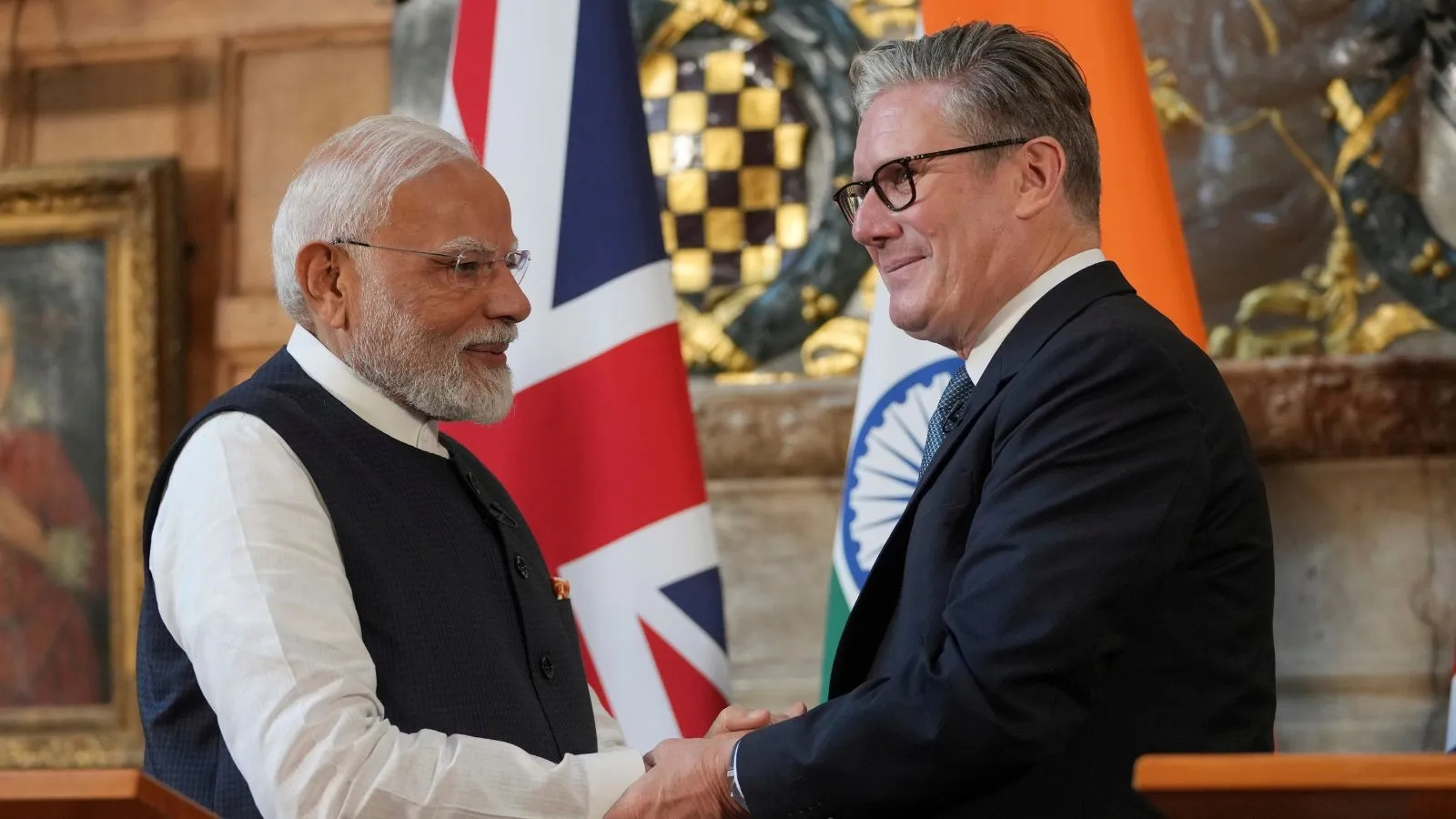
The India-UK Comprehensive Economic and Trade Agreement (CETA), which came into force on July 15, 2026, is expected to create fresh opportunities for Indian MSMEs. Reduced tariffs, improved market access, and stronger services trade could help small businesses in Tier-2 and Tier-3 cities expand their global presence.
The topic is time-sensitive news because the India-UK Comprehensive Economic and Trade Agreement (CETA) entered into force on July 15, 2026. This article follows a news reporting style while explaining its implications for India’s MSME sector.
The India-UK Trade Deal has moved from negotiation to implementation, bringing new opportunities for India’s Micro, Small and Medium Enterprises (MSMEs). With the Comprehensive Economic and Trade Agreement (CETA) now in effect, Indian exporters gain preferential access to the UK market across a wide range of goods and services. While large exporters are expected to benefit, the agreement could be particularly significant for MSMEs operating in Tier-2 and Tier-3 cities, where manufacturing, handicrafts, food processing, engineering goods, textiles, and technology services have been growing steadily.
Why the India-UK Trade Deal Matters for MSMEs
The agreement provides duty-free or reduced-duty access for the vast majority of Indian exports to the UK. According to the Ministry of Commerce, nearly 99 percent of India’s exports by value will receive preferential market access under the agreement. This lowers the cost of Indian products in the British market and improves their competitiveness against exporters from other countries.
For MSMEs, tariff reductions can directly improve pricing power. Small manufacturers often operate with limited profit margins, making import duties a major challenge while entering overseas markets. Lower tariffs can help these businesses offer more competitive prices, secure larger export orders, and build long-term relationships with international buyers.
The agreement also sends a positive signal to investors, encouraging businesses to expand production capacity and explore exports rather than relying only on domestic demand.
Tier-2 and Tier-3 Cities Could Become Major Export Winners
One of the biggest strengths of India’s MSME sector is its geographical diversity. Manufacturing clusters are spread across cities such as Moradabad, Kanpur, Ludhiana, Surat, Rajkot, Tiruppur, Coimbatore, Jaipur, Indore, Nagpur, Bhubaneswar, and many others.
Many of these cities specialise in products that already have export potential. Engineering goods, leather products, textiles, processed foods, pharmaceuticals, gems and jewellery, handicrafts, auto components, and agricultural products are among the sectors expected to benefit from improved UK market access.
Rather than concentrating export growth in metropolitan regions, the trade agreement could strengthen industrial ecosystems across smaller cities where MSMEs generate significant employment.
Beyond Tariffs: Services and Professional Mobility
Although tariff reductions have received the most attention, the India-UK trade agreement extends well beyond goods.
The agreement includes provisions supporting services trade, professional mobility, digital commerce, and social security arrangements for eligible professionals working temporarily in each other’s country. This is particularly important because India’s services sector contributes a major share of the country’s economic output.
Technology startups, software companies, consulting firms, educational service providers, architects, designers, and financial service companies based outside metro cities may also find new business opportunities.
Improved access to the UK market allows Indian firms to compete not only through manufacturing but also through knowledge-based services that require skilled talent rather than large physical infrastructure.
Which MSME Sectors Stand to Benefit Most?
Several labour-intensive industries are expected to gain from the agreement.
The textile and apparel industry could benefit from improved competitiveness in the UK retail market. Leather manufacturers, footwear producers, engineering goods exporters, processed food companies, seafood exporters, pharmaceutical manufacturers, and gems and jewellery businesses are also expected to experience increased demand if they meet quality and compliance standards.
The first jewellery export consignments under the new agreement were flagged off shortly after CETA came into effect, highlighting how quickly businesses have begun using the new trade framework.
For many MSMEs, the agreement provides an opportunity to diversify export destinations instead of depending heavily on a limited number of international markets.
Challenges MSMEs Must Prepare For
While the agreement creates opportunities, success will depend on preparedness.
Exporting to the UK requires compliance with product quality standards, certification requirements, documentation, packaging norms, and customs regulations. Businesses must also understand rules of origin, which determine whether products qualify for preferential tariffs under the agreement.
Smaller enterprises may need support in areas such as export financing, digital documentation, logistics, international marketing, and regulatory compliance.
Industry experts also point out that improving product quality, adopting sustainable manufacturing practices, and investing in technology will be essential for remaining competitive in international markets.
A Long-Term Opportunity for Regional India
The India-UK trade agreement represents more than a reduction in customs duties. It reflects India’s strategy of integrating more deeply into global supply chains while encouraging export-led growth.
For MSMEs located beyond metropolitan centres, the agreement offers an opportunity to reach international customers without relocating operations to major cities. Regional manufacturing clusters already possess skilled labour, competitive production costs, and specialised expertise that can support export expansion.
If businesses receive continued policy support, easier access to finance, improved logistics, and export guidance, Tier-2 and Tier-3 cities could emerge as major contributors to India’s next phase of global trade growth.
As implementation progresses, the real impact of the agreement will depend on how effectively MSMEs adapt to international standards and leverage the expanded market access now available through the India-UK CETA.
Key Takeaways
- The India-UK CETA came into force on July 15, 2026, expanding market access for Indian exporters.
- MSMEs in Tier-2 and Tier-3 cities could benefit from lower tariffs and stronger export opportunities.
- Sectors including textiles, engineering goods, leather, processed foods, pharmaceuticals, and jewellery are expected to gain.
- Businesses will need to meet UK quality standards and compliance requirements to maximise the agreement’s benefits.
FAQ
Q1. What is the India-UK CETA?
The Comprehensive Economic and Trade Agreement is a bilateral trade pact between India and the United Kingdom that reduces trade barriers, improves market access, and strengthens cooperation in goods and services.
Q2. How will MSMEs benefit from the agreement?
MSMEs can benefit through lower export tariffs, improved access to the UK market, stronger competitiveness, and new opportunities in manufacturing and services.
Q3. Which sectors are expected to benefit the most?
Textiles, leather, engineering goods, pharmaceuticals, processed foods, gems and jewellery, seafood, and IT-enabled services are among the sectors expected to see significant opportunities.
Q4. What challenges should MSMEs prepare for?
Businesses should focus on quality certification, regulatory compliance, export documentation, logistics, sustainability standards, and understanding rules of origin to fully utilise the agreement.










Leave a comment