

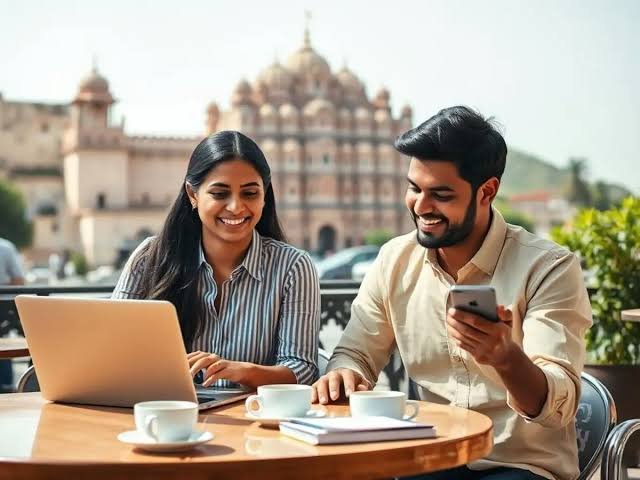
Short Summary: Young Indians in Tier-2 cities are increasingly spending on travel, concerts, dining, workshops and social activities. Rather than rejecting luxury, many are redefining it through meaningful experiences, personal interests and memories instead of expensive possessions alone.
Gen Z in Tier-2 Cities Is Changing Spending Habits
Gen Z in Tier-2 cities is gradually changing how young Indians approach spending, lifestyle choices and personal aspirations. For many young consumers, luxury is no longer limited to branded clothing, expensive gadgets or premium accessories. Travel, concerts, café visits, food experiences and weekend activities are becoming equally important spending priorities.
This shift is particularly interesting beyond India’s major metropolitan centres. Cities such as Nagpur, Indore, Jaipur, Lucknow, Surat, Coimbatore and Bhopal are seeing younger consumers participate in a wider range of lifestyle and entertainment activities.
The trend does not mean that Gen Z has stopped buying physical products. Instead, many young consumers are balancing purchases with experiences that offer social connection, relaxation and personal satisfaction.
A January 2026 Business Today analysis of a survey covering 4,311 respondents across four metros and eight Tier-II cities found that 84% expected their overall spending to increase over the following 12 months. More than half also aspired to own a home and a car.
These findings suggest that young Indians are not abandoning traditional financial goals. They are adding new lifestyle priorities alongside them.
Why Experiences Are Becoming More Valuable Than Expensive Possessions
For earlier generations, luxury was often associated with owning expensive products, including branded watches, premium cars, designer clothing and high-end electronics.
For many younger consumers, the definition is expanding. A weekend trip with friends, attending a favourite artist’s concert or learning pottery can feel more rewarding than purchasing another expensive product.
A BookMyShow-EY-Parthenon report, Beyond Attention. Into Immersion., cited by Mint in August 2026, found that 78% of Indian consumers preferred experiences over physical products. The report also found that 44% of consumers made unplanned experiential purchases.
This preference reflects a growing interest in activities that create memories and opportunities for participation.
Experiences also offer flexibility. A young professional may choose to spend on a concert one month, a short holiday the next and a creative workshop later, rather than committing to a single expensive purchase.
However, this does not mean every young consumer follows the same pattern. Income, family responsibilities, location and personal interests continue to influence spending decisions.
Travel and Weekend Getaways Are Becoming Lifestyle Priorities
Travel is one of the clearest examples of the experience-led spending trend.
Young consumers are increasingly interested in short trips, road journeys, nature-based holidays and group travel. Instead of waiting for one annual vacation, some prefer taking multiple shorter breaks throughout the year.
An Airbnb report released in June 2026, based on a YouGov survey of 2,012 Indian respondents aged 18 to 29 across 11 cities, highlighted this changing approach.
According to the report, seven in ten respondents preferred three short trips over one long annual holiday. It also found that 95% wanted their trips to feel personal and unique rather than typical or pre-planned.
For young people in Tier-2 cities, this interest can create opportunities for nearby tourism destinations. A weekend in a hill station, a road trip to a nearby city or a short visit to a nature destination can offer a break without requiring a large holiday budget.
Social media, travel content and online booking platforms have also made destination discovery easier. Young travellers can compare stays, transport options and activities before deciding where to go.
Concerts, Festivals and Live Events Are Driving Youth Spending
Entertainment is another major part of the experience economy.
Concerts, music festivals, comedy shows, college festivals and cultural events are attracting young audiences who want to participate rather than simply consume entertainment online.
For many, attending a live event is also a social activity. Friends plan trips together, book accommodation, explore nearby restaurants and spend time in the host city.
An Airbnb report published in January 2026 found that 62% of surveyed Gen Z respondents in India planned to travel for concerts and music festivals during the year. It also reported that 76% had visited a city for the first time because of a concert or festival.
The impact can extend beyond ticket sales. Visitors may spend on local transport, accommodation, food, shopping and sightseeing.
This creates opportunities for smaller cities to develop their own event calendars. Music performances, food festivals, comedy events and local cultural celebrations can attract young visitors while supporting nearby businesses.
Cafés, Food Experiences and Socialising Are Part of the Shift
The experience economy is not limited to travel and large events. Everyday activities such as eating out, trying new cafés, visiting restaurants and exploring local food markets are also becoming important parts of youth spending.
For many young consumers, a café visit is about more than purchasing food or beverages. It can be an opportunity to meet friends, work outside the home, celebrate occasions or discover a new neighbourhood.
Food-related experiences also provide opportunities to explore regional cuisines, speciality menus and new dining formats.
This trend is relevant to Tier-2 cities, where independent cafés, restaurants and local food businesses are increasingly competing for younger customers.
However, the shift does not mean young consumers are willing to spend without limits. Price, food quality, ambience, location and social recommendations influence where they choose to spend.
Businesses that understand these expectations may find opportunities to build repeat customers through affordable experiences rather than relying only on premium pricing.
Social Media Is Influencing How Young Indians Discover Experiences
Instagram, YouTube and other digital platforms have changed how young consumers discover activities.
A concert announcement, a travel reel, a restaurant review or a video of a local event can influence weekend plans. Online communities also make it easier for people to discover activities that may not receive attention through traditional advertising.
A November 2026 study by MSL India and Youth Ki Awaaz, titled Bharat Z Vibe Check, examined the spending habits, content preferences and trust drivers of people under 30 across Tier-2, Tier-3 and Tier-4 cities.
The study surveyed 3,509 respondents and highlighted the role of digital algorithms in discovery, while personal relationships remained important in purchase decisions.
This distinction matters. Young consumers may discover an event through social media but still depend on friends, family or trusted recommendations before spending money.
For local businesses, online visibility can create interest, but the actual experience must meet customer expectations. Poor service, misleading promotions or high prices can quickly affect word-of-mouth recommendations.
Are Young Consumers Rejecting Luxury or Redefining It?
The idea that Gen Z is completely moving away from luxury is an oversimplification.
Young consumers continue to show interest in premium smartphones, fashion, beauty products, electronics and branded goods. A March 2026 Ipsos report on India’s luxury market found that 76% of surveyed Gen Z consumers were open to trying new brands, including in luxury categories.
The same report described younger consumers as value-conscious while still seeking purchases that feel personal and meaningful.
This suggests that the definition of luxury is becoming more flexible. Some consumers may prefer spending on an international holiday, while others may prioritise a premium smartphone or a high-quality fashion purchase.
The choice depends on individual priorities, income and lifestyle.
For Gen Z in smaller cities, aspiration may also involve balancing modern experiences with family expectations and long-term goals. A young professional may enjoy concerts and travel while saving for a vehicle, home or further education.
What This Spending Trend Means for Businesses in Tier-2 Cities
The growing interest in experiences creates opportunities for businesses beyond traditional retail.
Travel operators can develop affordable weekend packages. Restaurants can organise food events and themed dining experiences. Local event organisers can introduce music performances, comedy shows and cultural festivals.
Fitness studios, hobby centres, art workshops and adventure activity providers can also attract customers looking for activities beyond routine shopping.
The opportunity is not limited to premium customers. Affordable experiences can appeal to students, young professionals and groups of friends who plan their spending carefully.
Businesses should pay attention to convenience, transparent pricing, quality and accessibility. An activity does not need to be expensive to feel memorable.
For Tier-2 cities, a stronger local experience economy could also support employment in hospitality, tourism, entertainment, food services and event management.
Balancing Experiences With Savings and Financial Goals
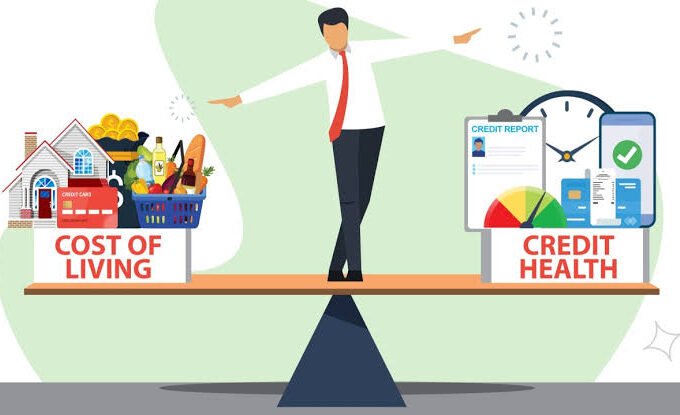
Spending on experiences can improve social connections and provide personal satisfaction, but it still needs financial planning.
Young consumers entering the workforce may have several competing priorities, including rent, education loans, family responsibilities, savings and investments.
The 2025 EY Gen Z India report found that 81% of surveyed respondents demonstrated some level of financial planning, budgeting or spending management. Its findings also showed that travel and holidays formed part of Gen Z’s spending priorities.
Creating a separate budget for leisure can help young people enjoy activities without affecting essential expenses.
For example, setting aside a fixed amount each month for travel, dining or entertainment makes discretionary spending easier to manage. Planning trips in advance, comparing prices and avoiding unnecessary borrowing can also reduce financial pressure.
The objective is not to choose between enjoying life and building financial security. It is to make room for both.
Key Takeaways
- Gen Z in Tier-2 cities is increasingly spending on travel, concerts, dining and activities alongside traditional product purchases.
- A BookMyShow-EY-Parthenon report found that 78% of Indian consumers preferred experiences over physical products.
- Social media helps young consumers discover experiences, while personal recommendations continue to influence spending decisions.
- The shift creates opportunities for local tourism, hospitality, restaurants and entertainment businesses, provided experiences remain affordable and accessible.
Frequently Asked Questions
1. Why is Gen Z spending more on experiences?
Many young consumers value travel, social activities, live entertainment and personal interests because these offer opportunities for connection, exploration and memorable experiences.
2. What experiences are popular among Gen Z in Tier-2 cities?
Popular categories include weekend travel, concerts, cafés, food festivals, comedy shows, fitness activities, workshops and cultural events. Preferences vary depending on location and income.
3. Does Gen Z prefer experiences over luxury products?
Not entirely. Many Gen Z consumers continue to purchase premium products but also allocate money towards experiences. Their definition of luxury increasingly includes personal value, convenience and memorable activities.
4. How can businesses in Tier-2 cities benefit from this trend?
Local businesses can organise affordable events, food experiences, travel packages, workshops and entertainment activities. Strong service quality, transparent pricing and convenient access can help attract younger customers.
(Internal keywords: Gen Z in Tier-2 cities, young Indians spending habits, experience economy India, Gen Z travel trends India, Gen Z lifestyle choices, youth spending trends 2026, affordable experiences India, Tier-2 city consumer trends, Gen Z luxury preferences, Indian youth entertainment market)








Leave a comment