

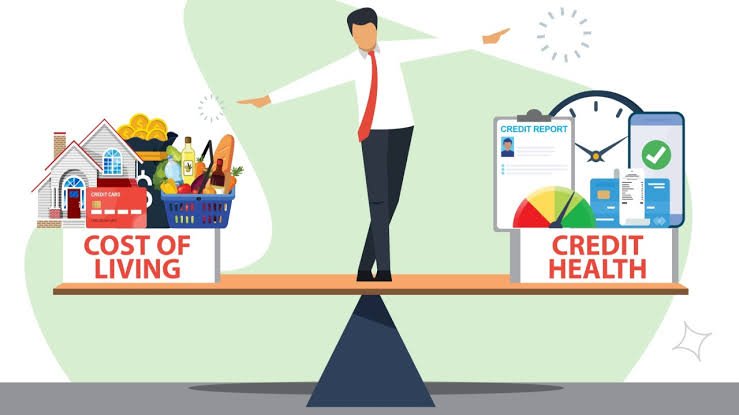
Short Summary: Rising living expenses are changing how young professionals in India manage their salaries, savings and lifestyle choices. From reducing food delivery orders to sharing accommodation and delaying major purchases, salaried Indians are becoming more selective about everyday spending.
Rising Living Costs Are Changing Young Professionals’ Spending Habits
Rising living costs in India are encouraging young professionals to rethink how they spend their monthly salaries. Housing, groceries, transportation, electricity bills, subscriptions and dining expenses compete for a larger share of household budgets, leaving many workers with less flexibility for discretionary purchases.
For professionals in cities such as Mumbai, Bengaluru, Pune, Hyderabad, Delhi and Gurugram, managing monthly expenses can be particularly challenging. Even when salaries increase, higher accommodation costs, commuting expenses and lifestyle spending can limit the amount available for savings.
The pressure is not restricted to metropolitan areas. Professionals in Tier-2 cities such as Nagpur, Indore, Jaipur, Lucknow and Surat also face changing expenses as housing preferences, transportation habits and consumption patterns evolve.
The result is a gradual change in financial behaviour. Instead of spending freely after receiving their salaries, many young earners are paying closer attention to monthly budgets, comparing prices and prioritising essential purchases.
India’s Inflation Figures Highlight Household Budget Pressures
Official inflation data provides useful context for understanding these spending changes.
According to the Ministry of Statistics and Programme Implementation, India’s retail inflation stood at 6.09% in October 2026. Urban inflation was recorded at 5.41%, while food inflation across India reached 8.94%.
Food prices are particularly important because groceries and daily meals account for a significant share of household expenditure. When the cost of vegetables, cereals, milk, cooking essentials and other food items increases, households may have to adjust their monthly budgets.
However, inflation figures do not mean that every product or service has become more expensive at the same rate. The Consumer Price Index measures changes across a basket of goods and services. Individual households experience different levels of price pressure depending on their spending patterns and location.
For a young professional living independently, rent and commuting may account for a large part of monthly expenses. Someone living with family may spend more on household contributions, groceries and personal purchases.
Rent and Accommodation Are Taking a Larger Share of Salaries
Housing is one of the most important expenses for young professionals who move away from their hometowns for employment.
People relocating to cities for jobs often begin by renting shared apartments, paying guest accommodation or small independent flats. Monthly rent is only one part of the cost. Security deposits, electricity, internet, maintenance charges and household essentials add to the initial financial burden.
In expensive employment centres, accommodation near office locations can cost considerably more than housing in areas farther away. This creates a trade-off between paying higher rent for shorter commutes and choosing cheaper accommodation with additional travel time and expenses.
Some young professionals are responding by sharing apartments with colleagues or friends. Others are choosing smaller homes, moving to developing residential areas or negotiating hybrid work arrangements to reduce commuting requirements.
Living with family is another option for professionals who have access to employment opportunities in their hometowns.
These decisions reflect a practical change in priorities. Having an independent lifestyle remains important, but affordability is becoming a stronger consideration when choosing where and how to live.
Food Delivery and Dining Out Are Facing Budget Checks
Food delivery applications and restaurant visits have become regular parts of urban lifestyles. However, frequent spending on convenience can add up over a month.
A single food order may appear affordable, but delivery charges, platform fees, taxes and restaurant pricing can increase the final bill. Ordering several times a week can create a noticeable expense.
Young professionals are increasingly likely to compare restaurant prices, use discounts, prepare meals at home or reserve dining out for weekends and special occasions.
Meal preparation is another way to control food expenses. Buying groceries in advance, preparing lunch for work and cooking in larger quantities can reduce dependence on daily food orders.
This does not mean that young consumers are abandoning restaurants and cafés. Instead, dining out may become a planned expense rather than an everyday habit.
For food businesses and delivery platforms, this change could increase the importance of affordable meal options, transparent pricing and value-based offers.
Transportation Costs Are Influencing Daily Decisions
Commuting is another recurring expense that affects monthly budgets.
Young professionals who travel to offices regularly may spend on petrol, public transport, ride-hailing services, parking and vehicle maintenance.
The cost of commuting depends heavily on the distance between home and workplace. A person living far from an office may spend significantly more on transportation than someone working close to home.
Some employees are exploring carpooling, public transport, two-wheelers and shared rides to reduce costs. Hybrid work arrangements can also lower the number of weekly journeys for employees whose companies permit them.
For professionals in cities with expanding metro networks, public transport can offer an alternative to daily private vehicle use.
However, convenience and reliability remain important. Cheaper transportation is not always practical if it significantly increases travel time or makes reaching the workplace difficult.
The choice increasingly involves balancing cost, comfort and time.
Shopping Habits Are Becoming More Selective
Rising expenses are also influencing how young Indians approach fashion, electronics, beauty products and other discretionary purchases.
Instead of buying products immediately, some consumers are comparing brands, checking reviews and waiting for seasonal sales. Online marketplaces have made price comparisons easier, allowing buyers to evaluate different options before making a purchase.
There is also growing interest in products that offer longer-term value. Consumers may choose durable footwear, versatile clothing or smartphones that can be used for several years instead of upgrading frequently.
This does not necessarily mean that branded products have lost their appeal. Many young professionals continue to purchase premium products, but they may be more selective about when and why they spend.
Buy-now-pay-later services and credit cards can make purchases appear more affordable by dividing payments over time. However, frequent use without repayment planning can create additional financial pressure through interest and charges.
For salaried consumers, understanding the total cost of a purchase is becoming more important than focusing only on the monthly instalment.
Subscriptions and Small Digital Payments Are Under Greater Scrutiny
Digital subscriptions are another area where monthly spending can quietly increase.
Streaming platforms, music applications, cloud storage, fitness memberships, gaming services and productivity tools often charge recurring fees.
Individually, these payments may appear small. However, maintaining several subscriptions can create a substantial annual expense, particularly when some services are rarely used.
Young professionals are increasingly encouraged to review recurring payments and identify services they no longer need.
For example, someone subscribed to multiple entertainment platforms may choose one service at a time instead of maintaining all subscriptions throughout the year. Others may share eligible family plans or switch to lower-cost options.
The same approach can be applied to app purchases, premium memberships and automatic renewals.
Tracking these expenses helps identify where money is going and makes it easier to redirect savings towards more important financial goals.
Savings and Emergency Funds Are Becoming More Important
Managing everyday expenses is only one part of financial planning. Young professionals also need to consider savings, emergencies and long-term goals.
The Household Consumption Expenditure Survey 2023-24, published by the Ministry of Statistics and Programme Implementation, estimated average monthly per capita consumption expenditure at ₹6,996 in urban India, excluding the value of items received free through social welfare programmes.
The survey also found that food accounted for 39.68% of urban consumption expenditure, while non-food items accounted for 60.32%.
These figures cover the broader urban population and should not be treated as a specific spending estimate for young salaried professionals. However, they illustrate how much of a household budget goes towards expenses beyond food.
For young earners, building an emergency fund can help manage unexpected medical bills, job changes, repairs or family requirements.
Even setting aside a small amount regularly can create a financial cushion over time. Automating savings immediately after salary credit can also reduce the temptation to spend the entire available balance.
Are Young Professionals Changing Their Lifestyle Aspirations?
Rising living expenses may influence not only everyday purchases but also major lifestyle decisions.
Some professionals are delaying expensive holidays, postponing vehicle upgrades or reconsidering home purchases until their income becomes more stable.
Others are choosing affordable travel, local entertainment and smaller social gatherings instead of expensive outings.
Financial independence is also being viewed differently. For some young earners, it means moving into their own apartment. For others, it means clearing education loans, supporting family members or building enough savings to manage unexpected expenses.
These priorities can vary significantly depending on salary levels, family responsibilities, career stage and city of residence.
The important change is that lifestyle decisions are increasingly being evaluated alongside financial commitments.
A higher salary does not automatically create financial security if spending increases at the same pace. Managing expenses and maintaining savings can be just as important as earning more.
How Young Professionals Can Manage Rising Expenses
A few practical financial habits can help young professionals manage changing living costs without giving up every lifestyle activity.
1. Create a monthly spending plan: Divide expenses into essential bills, savings, debt repayments and discretionary spending. This makes it easier to understand how much money is available for non-essential purchases.
2. Track recurring payments: Review subscriptions, memberships and automatic payments every month. Cancel services that are no longer useful.
3. Plan food and transportation expenses: Preparing meals, comparing commute options and planning weekly purchases can help reduce avoidable costs.
4. Build an emergency fund: Set aside money regularly for unexpected expenses rather than relying entirely on credit cards or personal loans.
5. Avoid unnecessary debt: Before using an EMI or buy-now-pay-later option, calculate the complete repayment amount, interest and applicable charges.
These steps cannot eliminate the impact of inflation, but they can help individuals make more informed financial decisions.
Key Takeaways
- Rising expenses are encouraging young professionals to review their spending on rent, food, transportation, shopping and subscriptions.
- India’s retail inflation stood at 6.09% in October 2026, while food inflation reached 8.94%.
- Shared accommodation, home-cooked meals, planned shopping and public transport are among the ways salaried individuals can manage expenses.
- Emergency savings, budgeting and responsible credit use are becoming increasingly important for maintaining financial stability.
Frequently Asked Questions
1. Why are young professionals in India changing their spending habits?
Higher household expenses, accommodation costs, transportation bills and food prices are encouraging young professionals to monitor their budgets and prioritise essential purchases.
2. What are the biggest monthly expenses for young professionals?
Common expenses include rent, groceries, electricity, transportation, mobile and internet bills, loan repayments, healthcare and personal spending. The exact share depends on income and location.
3. How can young professionals save money despite rising living costs?
They can prepare monthly budgets, reduce unnecessary subscriptions, plan meals, compare transportation options, avoid impulsive shopping and build emergency savings.
4. Is inflation affecting Tier-2 cities as well?
Yes. Inflation affects consumers across India, although the impact varies by location and spending category. Tier-2 cities may have different accommodation and transportation costs, but food, education, healthcare and other household expenses remain important budget considerations.
(Internal keywords: rising living costs in India, young professionals spending habits, cost of living India 2026, inflation and household expenses, salary management tips India, monthly budget for young professionals, urban living expenses India, saving money on salary, food inflation India, financial planning for salaried employees, Tier-2 city living costs)












Leave a comment