

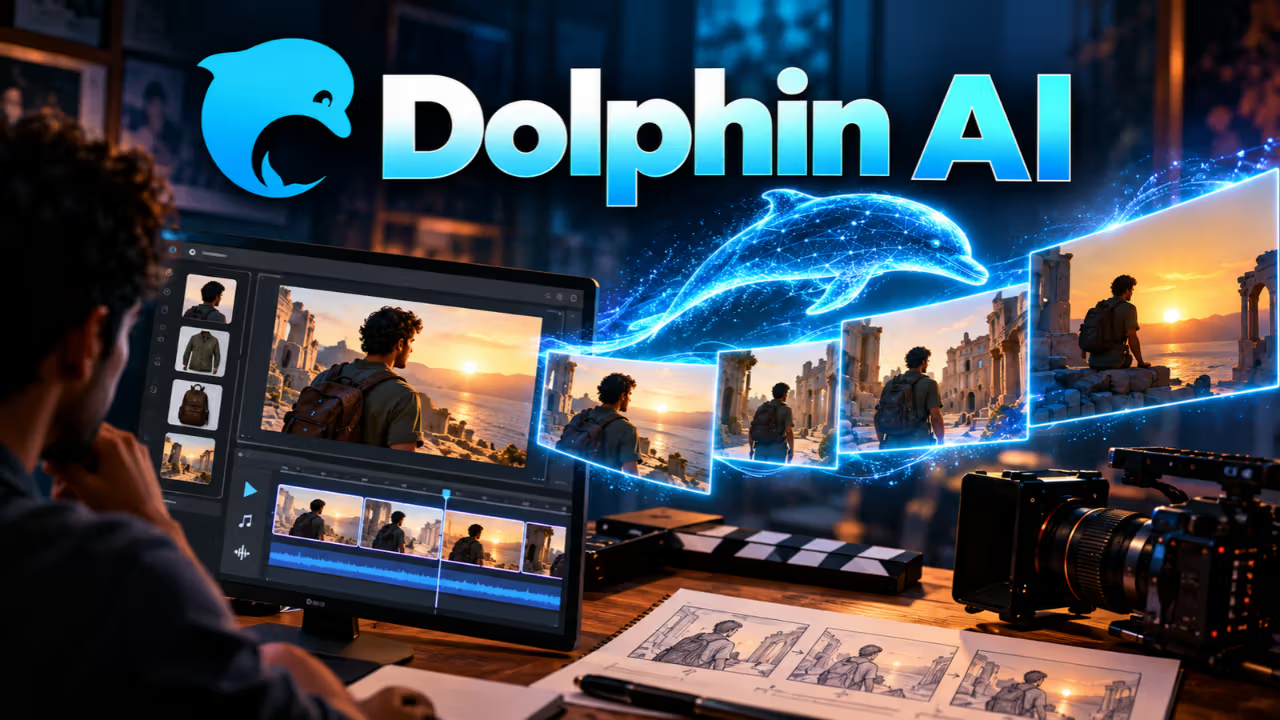
AI video production is becoming an emerging opportunity in India’s creator economy, with startups developing tools that can simplify video creation, editing and multilingual content production. Recent developments, including Lemonpeel’s $1 million funding and India’s indigenous Varya model, highlight the growing role of AI in digital storytelling.
AI Video Production Startups Are Gaining Attention in India
AI video production is gradually changing how businesses, digital creators and media organisations approach content creation. Tasks that traditionally required multiple stages of production, specialised software and dedicated editing teams can increasingly be supported by artificial intelligence.
The latest development comes from Mumbai-based startup Lemonpeel, which raised $1 million in pre-seed funding on November 17, 2026. The funding round was led by Shastra VC, with participation from Rukam Sitara and angel investors.
Founded in September 2025 by Hardik Goyal, Riddhiman Pal and Abhinav Nikam, Lemonpeel is developing an AI-powered platform designed to manage different stages of video production.
Its technology combines specialised AI agents with a system that can route tasks across more than 300 AI models. The platform is designed to help creative teams move from briefs and scripts to finished videos, including versions adapted for different languages and products.
The company plans to use the fresh capital to strengthen its platform, expand enterprise capabilities and develop intellectual property around faces and creative workflows.
Although Lemonpeel primarily targets enterprise creative teams, its development reflects a broader shift towards automated video production in India.
How AI Video Generation Technology Works
Traditional video production involves several stages, including scripting, shooting, editing, sound design, colour correction and final delivery. Even short promotional videos can require considerable time and coordination.
AI video generation tools aim to simplify some of these processes.
Users can provide written prompts, images, scripts or reference material. Depending on the software, AI systems can generate video clips, suggest visual scenes, create voiceovers, produce subtitles and assist with editing.
Some platforms also allow users to modify existing footage instead of creating an entirely new video.
For example, a small business owner could provide product photographs and a description of a new product. An AI-powered tool may help turn these materials into a short promotional video suitable for social media.
However, the quality of the final output depends on the model, instructions, reference material and amount of human editing involved.
AI does not automatically replace the creative decisions involved in storytelling. Selecting the right visuals, developing a clear message and understanding the target audience remain important parts of the process.
India’s Indigenous Varya Model Brings Affordable AI Video Generation
Another important development in India’s AI video ecosystem came in June 2026, when Avataar introduced Varya, an indigenous video-generation model developed with support from the IndiaAI Mission.
According to the Ministry of Electronics and Information Technology, Varya uses a technique called model distillation to reduce the video-generation process from 50 steps to four while maintaining comparable output quality.
The government announcement stated that Avataar’s internal benchmarks estimated its video-generation cost at approximately ₹0.48 per second. The company claimed this could make it up to 10 times more cost-efficient than several leading global video models.
Varya is designed to generate videos from text prompts and uploaded images. Its development also focuses on Indian cultural contexts, including regional festivals, food, clothing, communities and everyday environments.
This approach could be relevant to Indian creators who want to produce content that reflects local audiences rather than relying entirely on generic international visuals.
For example, a creator producing a video about a regional festival could use AI-generated visuals to support the storytelling process. Similarly, teachers and small businesses could explore video generation for educational material and product advertisements.
The actual cost and output quality will depend on usage conditions and the specific application.
How Indian Content Creators Could Benefit From AI Video Tools
The growing availability of AI video production technology could create opportunities for creators across different categories.
1. Faster Social Media Content Creation
Instagram Reels, YouTube Shorts and other short-form video platforms require creators to publish content regularly. AI tools can assist with generating visual concepts, creating introductory clips, preparing subtitles and editing footage.
This could reduce the time spent on repetitive production tasks and allow creators to concentrate more on content ideas and audience engagement.
2. Affordable Video Production for Small Creators
Independent creators may not always have access to professional cameras, studios or dedicated editing teams.
AI-powered video tools could help them experiment with different formats without investing heavily in traditional production equipment.
However, affordable AI generation does not mean every production task becomes free. Subscription fees, generation credits, editing software and other costs may still apply.
3. Regional Language Content
India’s digital audience is spread across multiple languages and regions. Creating separate videos for different audiences can be time-consuming.
AI-powered translation, dubbing and subtitle-generation tools could help creators adapt their content for Hindi, Marathi, Tamil, Telugu, Bengali and other language audiences.
Lemonpeel, for instance, supports translation and subtitles in more than 100 languages, according to Entrackr’s November 17 report.
This could help brands and creators explore audiences beyond their primary language market.
4. Better Content for Small Businesses
Local businesses often use Instagram and WhatsApp to showcase products and services. Restaurants, clothing stores, coaching institutes and independent retailers could use AI-assisted production to create product demonstrations, advertisements and informational videos.
For businesses in Tier-2 and Tier-3 cities, this could make professional-looking digital content more accessible, provided the tools fit their budgets and requirements.
5. More Opportunities for Freelancers
AI video production could also create new work opportunities for freelance editors, social media managers and digital marketers.
Businesses may need professionals who can write prompts, select appropriate visuals, edit generated footage, maintain brand consistency and prepare videos for different platforms.
The nature of creative work may change, but human direction and quality control will remain important.
Why Regional Content Could Become an Important Opportunity
India’s diverse language and cultural landscape creates a significant opportunity for AI-powered video production.
The FICCI-EY Media and Entertainment Report 2026 highlights the growing importance of regional content in India’s entertainment industry.
According to the report, regional languages accounted for 56% of OTT content consumption in 2025, compared with 27% in 2020.
The report also noted that regional cinema contributed more than 65% of films produced in India.
These figures demonstrate the importance of content that connects with audiences through familiar languages and cultural references.
AI-assisted dubbing, subtitles and video adaptation could help creators distribute their work across multiple regions without producing every version entirely from scratch.
For example, a Marathi-language creator could explore Hindi subtitles to reach a wider audience. A business producing educational videos could adapt the same basic material for different language groups.
However, translation alone is not enough. Regional expressions, humour, cultural references and local preferences require careful human review.
Challenges Indian Creators Should Consider Before Using AI
Despite its potential, AI video production comes with several challenges.
One concern is the consistency of generated visuals. AI-generated characters, objects and backgrounds may change between scenes, making it difficult to maintain continuity in longer videos.
Another issue is originality. As more creators use similar AI models and templates, digital platforms could see an increase in videos with repetitive visual styles.
Copyright and intellectual property concerns also require attention. Creators should understand the licensing conditions of the tools they use and ensure they have the necessary rights to upload reference images, music, footage and other assets.
The use of realistic AI-generated faces and voices raises additional concerns around consent and impersonation. Using someone’s likeness without permission can create legal and ethical problems.
There is also the question of audience trust. Creators should consider clearly identifying realistic AI-generated content when its artificial nature could mislead viewers, particularly in news, educational and informational videos.
Finally, AI tools still require human supervision. Generated videos may contain incorrect information, unnatural movements or visual inaccuracies. Publishing such content without checking it can affect a creator’s credibility.
What the Growth of AI Video Startups Means for India’s Creator Economy
The development of startups such as Lemonpeel and indigenous models such as Varya reflects the expanding role of artificial intelligence in India’s creative industries.
For independent creators, the biggest opportunity may not be replacing traditional filmmaking but making certain production processes easier and more accessible.
A creator who previously spent several hours preparing subtitles, editing multiple versions or creating basic promotional visuals may be able to automate parts of that work.
For startups, the challenge will be building tools that deliver consistent quality, reasonable pricing and practical value for different users.
The market will also need solutions that understand India’s languages, regional preferences and content requirements.
As AI video technology develops, creators who combine these tools with original ideas, strong storytelling and responsible content practices could find new ways to reach audiences.
Key Takeaways
- Mumbai-based AI video startup Lemonpeel raised $1 million in pre-seed funding on November 17, 2026, to strengthen its video production platform.
- India’s indigenous Varya model, developed by Avataar with IndiaAI Mission support, aims to make video generation more efficient and affordable.
- AI video tools could help Indian creators with editing, subtitles, multilingual content, product promotions and social media production.
- Human creativity, copyright awareness, fact-checking and quality control will remain essential despite growing automation.
Frequently Asked Questions (FAQs)
1. What is AI video production?
AI video production involves using artificial intelligence to assist with creating, editing, translating and enhancing videos. Depending on the platform, users can generate video clips from text prompts, images or scripts.
2. Which Indian startup recently raised funding for AI video production?
Mumbai-based Lemonpeel raised $1 million in a pre-seed funding round led by Shastra VC on November 17, 2026. The company is developing an AI-powered platform for video creation, editing, quality checks and delivery.
3. How can AI video tools help Instagram and YouTube creators?
AI video tools can assist with generating visual content, editing clips, preparing subtitles, creating voiceovers and adapting videos into different languages. These features can help creators reduce repetitive production work.
4. Can AI video production replace professional video editors?
AI can automate certain editing and production tasks, but it cannot completely replace human creative judgement. Professional editors remain important for storytelling, visual consistency, timing, accuracy and final quality control.
(








Leave a comment