

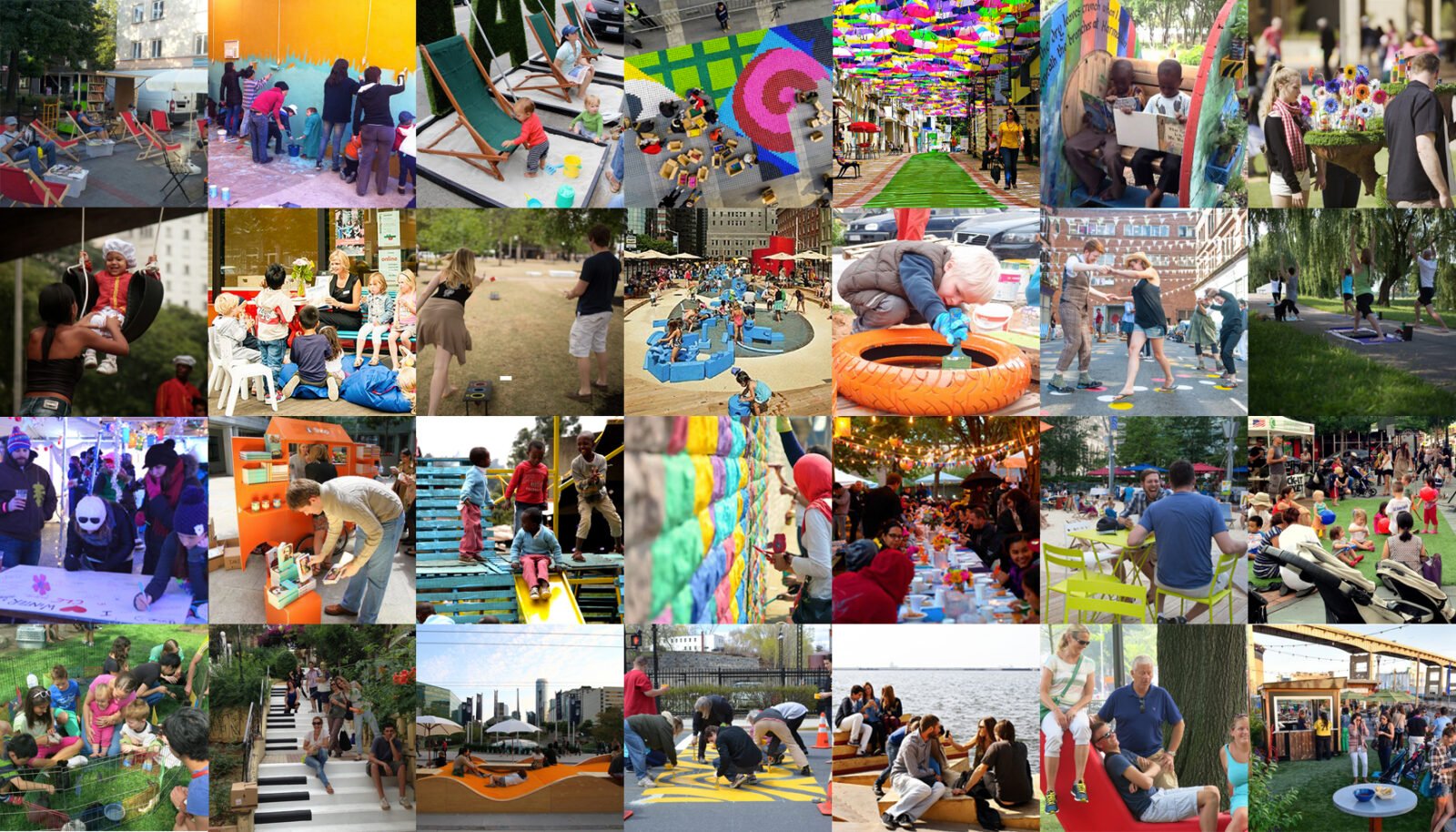
Civic engagement events in smaller cities are gaining momentum ahead of the festival season, reflecting a shift in how communities participate in public life. From cleanliness drives to cultural volunteering, Tier-2 and Tier-3 cities are seeing increased local involvement.
Growing Trend of Civic Engagement in Tier-2 India
The rise of civic engagement events in smaller cities is becoming more visible as India approaches peak festival months. Cities like Nagpur, Indore, Surat, and Lucknow are witnessing an increase in community-led initiatives focused on public spaces, sustainability, and local coordination.
This trend aligns with seasonal patterns. Festivals in India often involve large public gatherings, decorations, and increased footfall in markets and residential areas. In response, local groups, RWAs, and youth communities are stepping up efforts to manage cleanliness, traffic awareness, and cultural organization.
Unlike earlier years where civic participation was largely driven by municipal bodies, there is now a noticeable shift toward citizen-led initiatives. This indicates growing awareness and ownership among residents in non-metro regions.
Cleanliness Drives and Public Space Management Gain Focus
One of the most common forms of civic activity is the surge in cleanliness drives before major festivals. Volunteers organize area clean-ups, waste segregation awareness campaigns, and plastic reduction initiatives.
This is particularly relevant in smaller cities where municipal infrastructure may face pressure during festivals. Increased waste generation during events like Navratri, Ganesh Utsav, and Diwali often leads to short-term sanitation challenges.
Local communities are now stepping in to bridge this gap. In cities like Indore, which has consistently ranked high in cleanliness surveys, citizen participation has played a crucial role. Similar models are being informally replicated in other Tier-2 cities, where community groups coordinate with local authorities for better outcomes.
Youth Participation and Volunteer Culture Expanding
Another key driver behind this trend is the growing involvement of young people. College students and young professionals are actively participating in volunteering efforts tied to festivals.
These activities range from organizing blood donation camps and food distribution drives to managing crowd flow during local events. Social media platforms have made it easier to mobilize volunteers and spread awareness quickly.
In smaller cities, where community networks are tighter, this mobilization tends to be more effective. WhatsApp groups, local Instagram pages, and college networks play a central role in coordinating these initiatives.
This shift also reflects a broader cultural change. Civic participation is increasingly seen as a social responsibility rather than a formal obligation.
Role of Local Authorities and Public Collaboration
Municipal bodies in several cities are encouraging this rise in civic engagement by collaborating with local groups. Authorities often provide logistical support such as waste collection, permits, and basic infrastructure for events.
In cities like Surat and Pune, local administrations have previously partnered with citizen groups during large-scale events to ensure smoother execution. While metros have more structured systems, smaller cities are adopting flexible collaboration models.
This public collaboration helps improve efficiency while also building trust between citizens and local governance systems. It also allows authorities to extend their reach without significantly increasing operational costs.
Festival Economy Driving Community Participation
The festival season also brings an economic dimension to civic engagement. Local markets, small businesses, and vendors benefit significantly during this period. As a result, there is a shared incentive to maintain public spaces and ensure smooth event execution.
Traders’ associations and local business groups often contribute to organizing events, managing traffic, and supporting cleanliness efforts. This creates a combined ecosystem where economic and civic interests align.
In Tier-2 and Tier-3 cities, where local economies are closely tied to community activity, this alignment becomes even stronger. Civic engagement is not just about social responsibility but also about sustaining local business momentum.
Challenges That Still Limit Impact
Despite the positive trend, there are challenges that limit the scale and consistency of these initiatives. Lack of formal structure, limited funding, and inconsistent participation can affect long-term impact.
Many initiatives are seasonal and lose momentum after festivals. Without continuous engagement or institutional support, sustaining these efforts becomes difficult.
Additionally, coordination between different groups can sometimes be fragmented. Multiple small initiatives may operate independently without a unified strategy, reducing overall effectiveness.
Addressing these gaps requires more structured frameworks, consistent communication, and support from both public and private stakeholders.
What This Trend Indicates for Urban Development
The increasing civic engagement in smaller cities signals a shift in how urban development is evolving in India. It shows that citizens are willing to take an active role in shaping their environment, especially during high-impact periods like festivals.
This trend also highlights the growing maturity of Tier-2 and Tier-3 ecosystems. As these cities continue to expand, such participation can play a key role in improving livability and governance outcomes.
If supported correctly, civic engagement can move from being seasonal to becoming a sustained part of urban culture in smaller cities.
Takeaways
- Civic engagement events are rising in Tier-2 and Tier-3 cities ahead of festivals
- Cleanliness drives and public space management are key focus areas
- Youth participation and social media are accelerating volunteer mobilization
- Sustaining these efforts requires better structure and long-term support
FAQs
Q1. What are civic engagement events in smaller cities?
These are community-led activities such as cleanliness drives, volunteering, and public awareness campaigns aimed at improving local areas.
Q2. Why do these events increase during festivals?
Festivals bring higher footfall and waste generation, prompting communities to organize initiatives for better management and coordination.
Q3. Who participates in these activities?
Local residents, youth groups, RWAs, traders, and sometimes municipal authorities collaborate in these efforts.
Q4. What challenges do these initiatives face?
Lack of funding, coordination issues, and limited continuity beyond festival periods are common challenges.









Leave a comment