

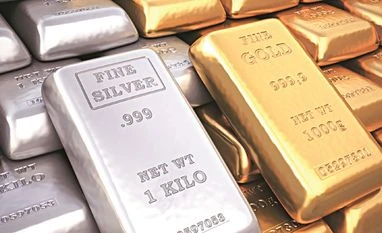
Gold and silver price volatility is reshaping buying, selling, and saving decisions across India. Fluctuating bullion rates are affecting local traders’ margins and household financial planning, especially in non metro markets where physical gold and silver remain trusted stores of value.
Gold and silver price volatility is a time sensitive issue influenced by current global uncertainty, currency movements, and domestic demand patterns. In 2026, frequent price swings are no longer limited to global markets. They are directly visible at local jewellery counters, bullion shops, and household balance sheets. This volatility is changing how Indians buy precious metals, how traders manage inventory, and how families think about long term savings.
Why Gold And Silver Prices Are Fluctuating Sharply
Gold and silver price volatility is being driven by a combination of international and domestic factors. Global economic uncertainty, shifting interest rate expectations, and currency fluctuations continue to push investors toward safe haven assets like gold. Silver, which has both investment and industrial demand, reacts even more sharply to global cues.
In India, currency movement plays a crucial role. A weaker rupee increases landed bullion prices even when global rates are stable. Import duties and logistics costs also add to price sensitivity. As a result, local prices often fluctuate daily, making it difficult for traders and consumers to time purchases.
Seasonal demand patterns further amplify volatility. Wedding seasons, festivals, and rural buying cycles create sudden demand spikes. When combined with global factors, this leads to sharp short term price movements rather than gradual trends.
Impact On Local Gold And Silver Traders
For local traders, gold and silver price volatility has increased operational risk. Traditional bullion businesses rely on stable spreads and predictable demand. Rapid price changes compress margins, especially when inventory is held at higher costs and prices soften unexpectedly.
Many small traders now operate with lower stock levels to reduce exposure. This shift affects availability, particularly in Tier 2 and Tier 3 towns where supply chains are shorter. Some traders rely more heavily on daily hedging and quicker turnover rather than long holding periods.
Customer behaviour has also changed. Buyers are more cautious and frequently delay purchases, hoping for corrections. This reduces footfall consistency and makes cash flow planning harder for jewellers and bullion dealers.
How Households Are Responding To Price Volatility
Gold and silver price volatility is forcing households to rethink traditional buying habits. Earlier, many families bought gold at fixed occasions regardless of price. In 2026, price awareness is much higher. Households track rates closely and stagger purchases instead of making lump sum buys.
For middle income families, rising gold prices mean lower quantities purchased for the same budget. This has shifted demand toward lighter jewellery, coins with lower making charges, and in some cases silver as a more affordable alternative.
Silver has gained renewed attention among households as both an investment and utility metal. While more volatile than gold, its lower absolute price makes it accessible for smaller savers. However, households are also learning that silver prices can correct sharply, increasing short term risk.
Rural And Semi Urban Market Dynamics
In rural and semi urban markets, gold and silver price volatility has a distinct impact. Precious metals here are closely tied to agricultural income and seasonal cash flows. When prices rise sharply, rural demand often softens even if incomes are stable.
Silver plays a larger role in these markets due to affordability and cultural use. Volatility affects not just investment demand but also consumption related to utensils and ornaments. Traders in these regions often adjust purity options and weight ranges to keep products accessible.
Credit linked purchases have also reduced. Higher prices increase borrowing needs, and households are cautious about taking loans for non essential consumption during uncertain price cycles.
Investment Behaviour And Savings Patterns
Gold and silver price volatility is influencing how households view these metals as investments. Long term faith in gold remains strong, but short term speculation has reduced among retail buyers. Many households now treat gold as a hedge rather than a growth asset.
Systematic buying, such as monthly accumulation of small quantities, is gaining acceptance. This approach reduces timing risk and aligns with household cash flows. For silver, investors are more opportunistic, entering during corrections and exiting during sharp rallies.
Physical ownership remains dominant in small towns, but awareness of price risk has increased. Households are more conscious of resale value, purity certification, and making charges than in previous years.
What Traders And Households Should Watch Next
Going forward, gold and silver price volatility is likely to persist. Global economic signals, currency trends, and domestic demand cycles will continue to influence prices. Sudden corrections are as possible as sharp rallies.
For traders, survival depends on inventory discipline, transparent pricing, and customer trust. For households, clarity on purpose is essential. Buying for consumption, savings, or short term gain requires different strategies.
The key shift in 2026 is behavioural. Both traders and households are moving from emotion driven decisions to more informed and cautious approaches.
Takeaways
- Gold and silver price volatility is affecting daily decisions for traders and households
- Local traders are reducing inventory risk and margins are under pressure
- Households are becoming price sensitive and adjusting buying patterns
- Silver is gaining attention but carries higher short term risk than gold
FAQs
Why are gold and silver prices fluctuating so frequently?
Prices react to global economic uncertainty, currency movements, and changing demand, leading to frequent short term swings.
Is gold still a safe investment despite volatility?
Yes, for long term wealth protection, but short term price movements can be unpredictable.
Why are households buying less gold now?
Higher prices and volatility make buyers cautious, leading to staggered purchases and lower quantities.
Is silver a good alternative to gold for small investors?
Silver is more affordable but also more volatile, making it suitable only with a clear risk understanding.












Leave a comment