

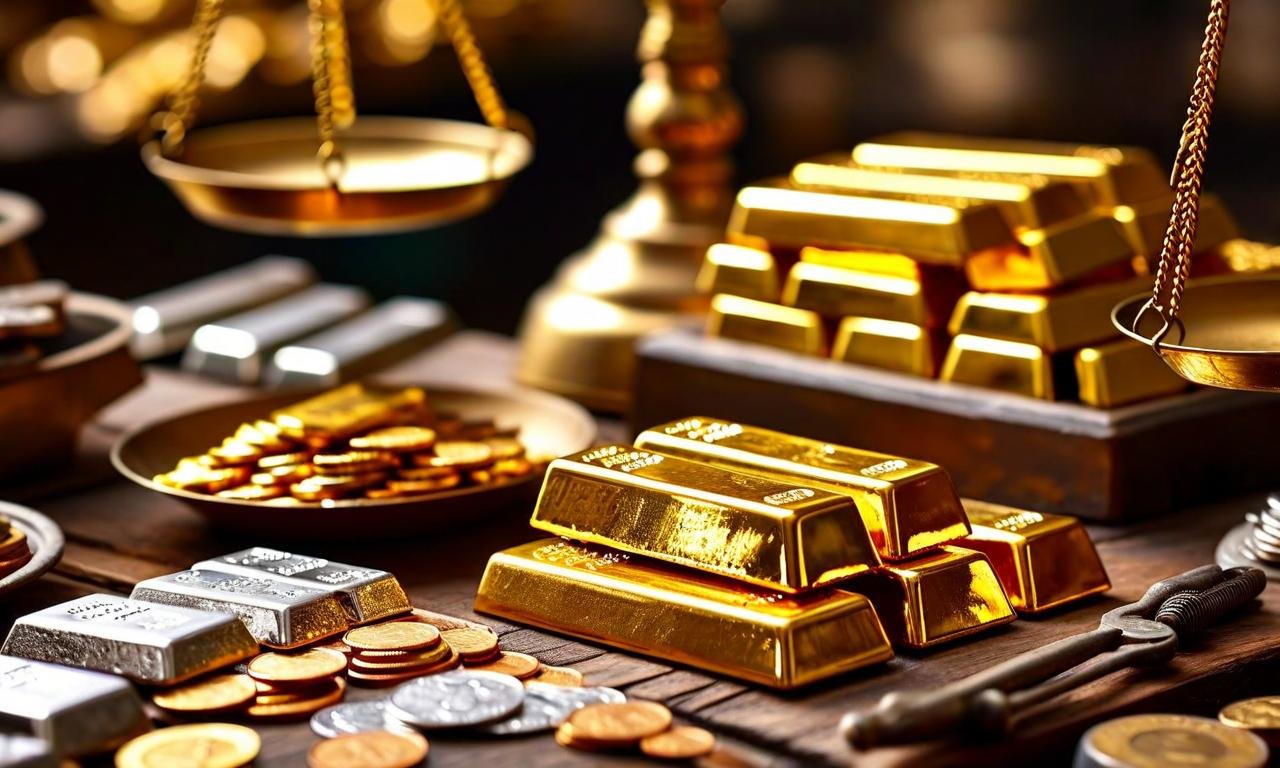
Gold and silver price volatility is shaping buying behaviour in Tier 2 jewellery markets such as Ahmedabad, Pune, and Lucknow. Rapid price swings are affecting consumer sentiment, inventory decisions, and wedding season planning, making precious metal pricing a daily business variable rather than a background factor.
The current phase of gold and silver price volatility reflects global cues, currency movements, and domestic demand cycles. For Tier 2 cities where jewellery is both consumption and savings, price signals directly influence footfall, purchase timing, and design preferences.
Why Gold and Silver Prices Are Moving Frequently
Gold and silver prices are reacting to multiple overlapping factors. Global economic uncertainty, interest rate expectations, and currency fluctuations impact bullion rates almost daily. When the rupee weakens against the dollar, domestic gold prices rise even if global prices remain stable.
Silver adds another layer of complexity. Its industrial demand links it to manufacturing cycles, making silver more volatile than gold. For Indian markets, festive demand and wedding calendars amplify these movements. Tier 2 buyers track local rates closely and respond faster to dips or sudden spikes.
This environment creates short decision windows. Buyers delay purchases during rallies and rush when prices soften, compressing demand into unpredictable bursts.
How Tier Two Jewellery Markets Function Differently
Jewellery markets in Ahmedabad, Pune, and Lucknow differ from metro markets in consumer psychology. Buyers are value conscious but not price insensitive. Gold jewellery is often purchased for weddings, festivals, and long term holding rather than impulse buying.
In these cities, jewellers rely heavily on walk in trust and repeat customers. Price volatility directly affects daily footfall. A sharp increase can freeze demand for days, while a correction can trigger sudden crowding.
Unlike metros, where branded chains dominate, Tier 2 markets have strong independent jewellers who balance local preferences, credit cycles, and inventory risks. This makes them more exposed to sudden price movements.
Impact on Jewellery Buying Behaviour
Volatile gold prices are changing how customers approach purchases. Many buyers now track daily rates before visiting stores. Smaller weight purchases are becoming more common when prices are high. Instead of heavy sets, customers opt for lightweight designs that preserve ceremonial value without increasing cost.
Silver jewellery and articles see counter cyclical demand. When gold prices surge, silver becomes an alternative for gifting and investment, especially in price sensitive households.
Advance booking and rate locking have increased. Customers pay a partial amount to secure a rate and complete purchases later, shifting price risk partly to jewellers.
Challenges for Jewellers in Managing Inventory
For jewellers, price volatility complicates inventory planning. Holding high value stock during uncertain price movements increases risk. A sudden correction can erode margins on existing inventory, while price spikes strain working capital.
Many jewellers hedge informally by adjusting making charges or design mix. Lightweight jewellery, modular designs, and customized orders help reduce exposure. Some stores increase focus on old gold exchange, which improves liquidity and reduces fresh bullion procurement.
Silver inventory management is equally tricky. Its faster price swings demand tighter stock rotation, especially for artefacts and coins.
City Specific Market Signals
In Ahmedabad, bullion trading sentiment strongly influences jewellery pricing. Buyers are highly rate aware and responsive to intraday movements. Even minor fluctuations can impact showroom traffic.
Pune shows a mix of salaried professionals and traditional buyers. Here, volatility affects purchase timing rather than overall demand. Customers postpone purchases but return once prices stabilize.
Lucknow remains deeply linked to wedding demand. Even during price spikes, ceremonial buying continues, but with negotiation pressure and preference for lighter designs.
These variations show that price volatility does not suppress demand uniformly. It reshapes how and when purchases happen.
What This Means for the Wedding and Festive Season
Wedding seasons magnify the impact of gold and silver price volatility. Families with fixed wedding dates cannot delay purchases indefinitely. They adjust budgets, reduce weight, or shift towards mixed metal jewellery.
Festive buying becomes more tactical. Consumers wait for short price dips around auspicious dates rather than committing early. This increases crowding during brief buying windows, challenging store operations.
For jewellers, managing customer expectations becomes as important as pricing accuracy. Transparent communication around rates and charges builds trust during volatile phases.
Longer Term Outlook for Tier Two Markets
Over time, frequent price volatility is making Tier 2 consumers more financially aware. Daily gold rates are now common conversation points, not just background information.
This trend may accelerate demand for digital price tracking, advance booking schemes, and transparent billing practices. Jewellers who adapt to informed customers and flexible pricing models are better positioned to manage volatility cycles.
Despite short term disruptions, gold and silver remain culturally anchored assets. Volatility changes buying patterns but does not eliminate demand.
Takeaways
- Gold and silver price volatility directly affects demand timing in Tier 2 jewellery markets.
- Consumers respond with lighter designs, rate tracking, and advance booking strategies.
- Jewellers face higher inventory and working capital risks during sharp price swings.
- City specific buying behaviour shapes how volatility plays out locally.
FAQs
Why are gold prices fluctuating so frequently now?
Global economic uncertainty, currency movements, and shifting interest rate expectations drive frequent price changes.
How does price volatility affect wedding jewellery purchases?
Buyers adjust weight, design, or timing but usually do not cancel purchases due to fixed wedding schedules.
Is silver becoming more popular due to high gold prices?
Yes, silver often sees increased demand as a gifting and investment alternative during gold price rallies.
Do Tier 2 cities react differently to gold price changes than metros?
Yes, Tier 2 buyers are more value focused and adjust purchase timing and weight more actively.










Leave a comment