


Healthcare access in Tier-2 India is undergoing a visible shift, with faster treatments and a surge in private clinics changing how patients seek care. Smaller cities are seeing improved availability of diagnostics, specialists, and shorter wait times.
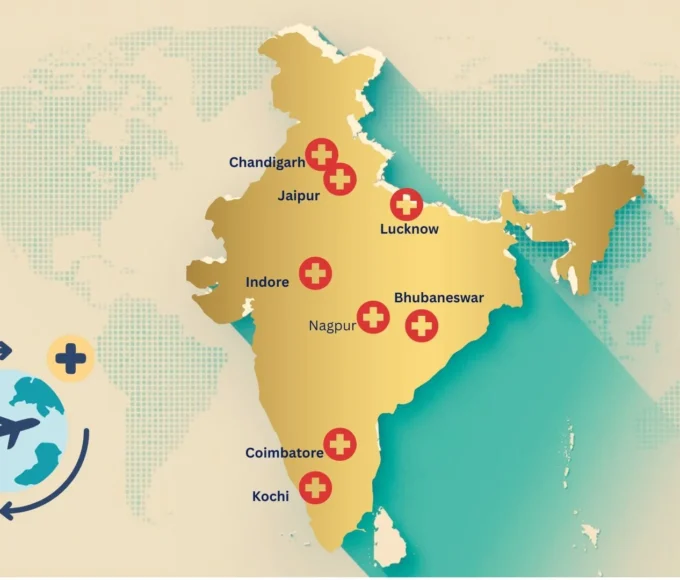
Changing healthcare access in Tier-2 India is becoming a defining trend in the country’s medical landscape. Patients in cities like Nagpur, Indore, and Surat are experiencing quicker consultations, better diagnostics, and growing reliance on private clinics as alternatives to overburdened public hospitals.
Rise of Private Clinics in Smaller Cities
One of the most noticeable changes is the rapid growth of private clinics across Tier-2 cities. These include multi-specialty clinics, diagnostic centers, and day-care facilities that offer quick consultations and procedures.
Unlike government hospitals, which often face overcrowding and long waiting periods, private clinics focus on speed and convenience. Patients can access doctors, tests, and basic treatments within a single visit.
This model is particularly effective in smaller cities where demand for healthcare services is rising due to population growth and increased awareness. Many doctors are also choosing to set up private practices locally instead of moving to metro cities.
Faster Treatment and Reduced Waiting Time
A major advantage of this shift is faster treatment. Patients no longer need to wait days or weeks for appointments. Walk-in consultations and same-day diagnostics are becoming more common in Tier-2 healthcare systems.
For conditions that require early intervention, such as infections, chronic illnesses, or minor surgeries, this speed can significantly improve outcomes. Diagnostic labs equipped with modern technology are also contributing to quicker reports.
In cities like Nagpur, private clinics are increasingly offering services such as digital reports, teleconsultations, and appointment scheduling, reducing delays and improving patient experience.
Role of Technology in Healthcare Expansion
Technology is playing a key role in transforming healthcare access. Many private clinics are adopting digital tools for patient management, diagnostics, and consultations.
Telemedicine has expanded access to specialists who may not be physically present in smaller cities. Patients can now consult doctors from larger hospitals through online platforms, reducing the need for travel.
Electronic medical records, AI-based diagnostics, and online booking systems are also improving efficiency. These advancements are helping Tier-2 cities bridge the gap with metro healthcare standards.
Increasing Healthcare Awareness Among Patients
Another factor driving this change is growing awareness among patients. People in Tier-2 cities are becoming more proactive about their health. Regular checkups, preventive care, and early diagnosis are gaining importance.
Social media, health campaigns, and digital platforms have made information more accessible. Patients are better informed about symptoms, treatments, and available facilities.
This awareness is increasing demand for quality healthcare services, encouraging more private players to invest in smaller city markets.
Challenges in Affordability and Regulation
Despite the improvements, affordability remains a concern. Private healthcare services can be expensive, especially for lower-income groups. While faster service is a benefit, it often comes at a higher cost compared to public hospitals.
There are also concerns around standardization and regulation. Not all private clinics maintain the same quality of care, and oversight can vary across regions.
Insurance penetration is improving but is still limited in many Tier-2 areas. This affects the ability of patients to access private healthcare without financial strain.
Impact on Public Healthcare System
The growth of private clinics is also affecting public healthcare systems. While it reduces the burden on government hospitals, it creates a dual system where quality care is often linked to affordability.
Public hospitals continue to play a critical role, especially for emergency care and economically weaker sections. However, they face challenges in matching the speed and convenience offered by private clinics.
The balance between public and private healthcare will be crucial in ensuring equitable access across all segments of the population.
Future Outlook for Tier-2 Healthcare
The trajectory indicates continued growth in private healthcare infrastructure in Tier-2 cities. Investments in clinics, diagnostic centers, and telemedicine platforms are expected to increase.
Government initiatives aimed at strengthening healthcare infrastructure and insurance coverage could further improve access. Collaboration between public and private sectors may also help address gaps in affordability and quality.
As smaller cities continue to develop, healthcare access is likely to become more efficient, but ensuring inclusivity will remain a key challenge.
Takeaways
- Private clinics are expanding rapidly in Tier-2 cities, improving access and speed of treatment
- Technology and telemedicine are enhancing healthcare delivery in smaller cities
- Faster services are improving patient outcomes but raising affordability concerns
- Balancing private growth with public healthcare support is essential
FAQs
Why are private clinics increasing in Tier-2 cities?
Rising demand, better infrastructure, and higher healthcare awareness are encouraging doctors and investors to expand into smaller cities.
Are treatments faster in private clinics?
Yes, private clinics typically offer quicker consultations, diagnostics, and procedures compared to public hospitals.
Is healthcare becoming more expensive in smaller cities?
Private healthcare can be costlier, although it offers convenience and faster service.
How is technology improving healthcare access?
Telemedicine, digital records, and online booking systems are making healthcare more accessible and efficient.










Leave a comment