

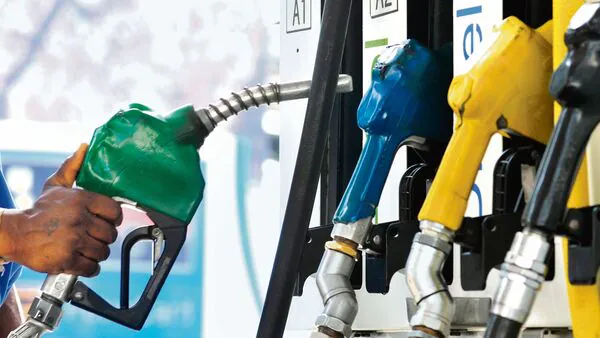
Global crude oil prices have climbed again in early March 2026, raising concerns about petrol and diesel costs in Indian cities. Since India imports most of its crude oil, fluctuations in global prices often influence domestic fuel rates and inflation trends.
Global oil prices are once again in focus as crude benchmarks move higher in international markets. India imports nearly 85 percent of its crude oil requirements, which means any sustained increase in global oil prices can eventually affect petrol and diesel costs across Indian cities. For consumers and businesses, especially in Tier 2 and Tier 3 cities where transport costs directly affect daily expenses, the trend is closely watched. Rising crude prices could influence fuel pricing decisions by oil marketing companies and indirectly impact inflation in the coming weeks.
Global crude oil prices are climbing again
International crude benchmarks such as Brent crude have moved upward in recent weeks due to geopolitical tensions and supply concerns. Conflicts in parts of West Asia, along with production decisions by major oil-producing nations, have tightened global supply expectations. When crude oil prices rise globally, importing countries like India face higher procurement costs.
India purchases crude oil from multiple sources including the Middle East, Russia and the United States. Oil marketing companies such as Indian Oil, Bharat Petroleum and Hindustan Petroleum refine this crude and supply petrol and diesel to retail outlets. When the cost of crude rises significantly, these companies face higher input costs which may eventually translate into higher retail fuel prices.
Another factor affecting crude markets is production cuts by oil exporting countries. The Organization of the Petroleum Exporting Countries and its allies often adjust supply to stabilize prices. When production remains restricted while demand rises, crude prices tend to increase, affecting importing economies.
Why fuel prices in India depend on global oil markets
Petrol and diesel prices in India are linked to international crude oil rates because the country imports a large portion of its energy needs. Even though domestic fuel prices are revised by oil marketing companies, global crude trends remain a key factor in determining pricing.
Fuel pricing in India follows a dynamic pricing system introduced in 2017. Under this system, petrol and diesel prices are revised based on international crude rates, exchange rates and refining costs. Taxes imposed by the central and state governments also make up a significant portion of retail fuel prices.
If crude prices rise sharply and remain elevated for several weeks, oil companies may eventually adjust petrol and diesel prices to reflect the higher cost of imports. However, price revisions are also influenced by political and economic considerations, particularly during sensitive periods such as elections or inflation concerns.
Potential impact on petrol and diesel costs this month
If global oil prices remain high through March, there is a possibility that petrol and diesel prices in Indian cities could face upward pressure. Oil marketing companies sometimes absorb short term fluctuations, but sustained increases in crude costs typically lead to price revisions.
Urban areas often see immediate discussion around fuel prices, but the ripple effect is usually stronger in smaller cities and towns. In Tier 2 and Tier 3 regions where public transport networks are less extensive, residents rely more on personal vehicles and commercial transport.
Higher diesel prices can also influence transportation costs, agricultural logistics and goods movement. This can push up prices of essential commodities including vegetables, milk and packaged goods. For businesses that depend on road transport, rising diesel prices can increase operational costs.
Another factor that could influence fuel prices is the value of the Indian rupee against the US dollar. Since crude oil is traded globally in dollars, a weaker rupee increases the cost of imports even if global oil prices remain stable.
Inflation and economic implications
Fuel prices play a major role in India’s overall inflation outlook. Petrol and diesel are considered critical inputs for transport and logistics, meaning higher fuel costs can quickly spread through the economy.
When diesel prices increase, transportation expenses rise for trucks and supply chains. This can affect food distribution, e commerce deliveries and manufacturing supply networks. Over time, these cost increases may appear in retail prices, contributing to inflation.
The government often monitors crude price movements carefully because sharp increases can impact economic stability. In some situations, the government may adjust excise duties or encourage oil companies to manage price volatility in order to protect consumers.
What consumers and businesses should watch
Consumers should watch global crude oil trends, currency movements and government policy decisions in the coming weeks. These factors collectively influence fuel pricing decisions in India.
Short term price spikes in crude markets do not always lead to immediate petrol or diesel price increases. However, sustained global oil price increases typically lead to adjustments in domestic fuel rates.
Businesses dependent on logistics, transportation and delivery services may need to factor fuel price volatility into operational planning. Similarly, households in smaller cities that rely heavily on two wheelers and cars may feel the impact of rising fuel costs more directly.
Takeaways
• India imports most of its crude oil, making domestic fuel prices sensitive to global markets
• Rising global oil prices increase input costs for Indian oil marketing companies
• Higher diesel prices can impact transportation, logistics and food supply chains
• Sustained crude price increases could push petrol and diesel prices higher in Indian cities
FAQs
Why do global oil prices affect petrol and diesel prices in India?
India imports about 85 percent of its crude oil. When global crude prices rise, oil companies pay more for imports, which can eventually affect domestic petrol and diesel prices.
How often are petrol and diesel prices revised in India?
Fuel prices follow a dynamic pricing system where revisions can occur regularly based on global crude prices, exchange rates and refining costs.
Do government taxes influence petrol and diesel prices?
Yes. Central excise duty and state level VAT make up a significant portion of fuel prices in India, sometimes accounting for nearly half of the retail price.
Can rising fuel prices increase inflation?
Yes. Higher diesel prices increase transportation and logistics costs, which can raise prices of goods and services across the economy.











Leave a comment