

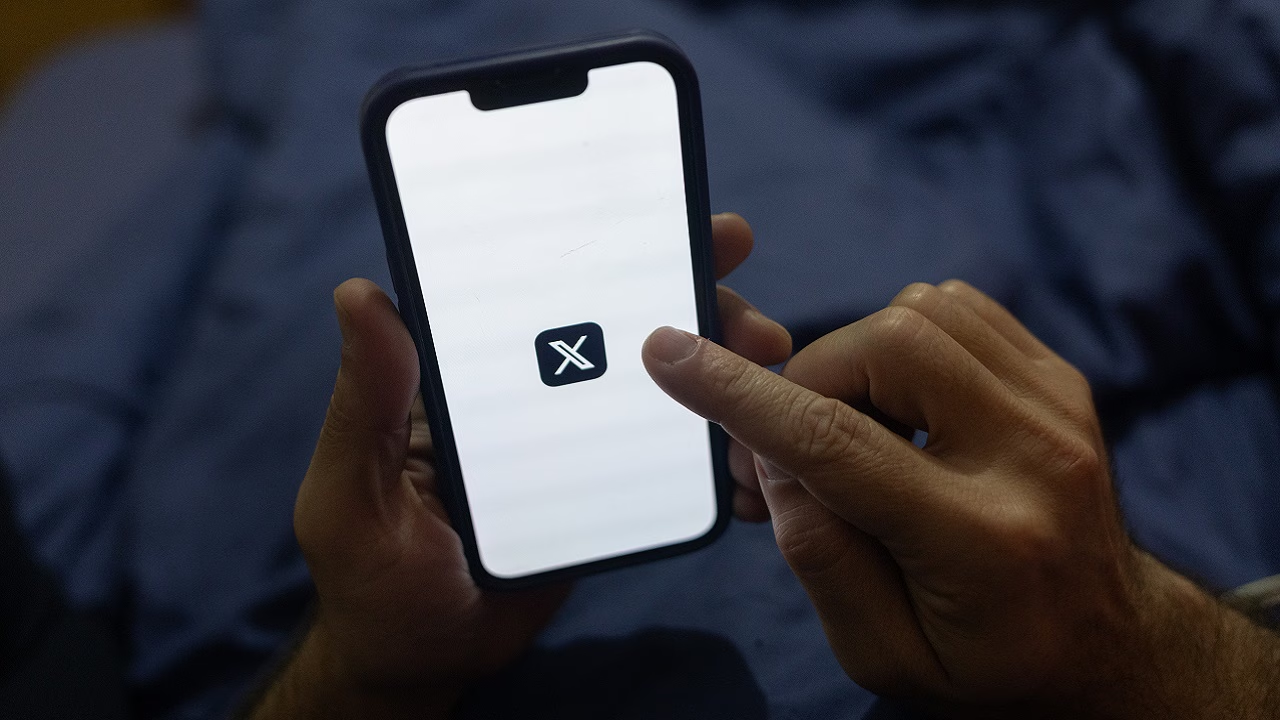
X changes symbolism of Iran flag has become a flashpoint for how geopolitics now unfolds on social media. A platform-level visual shift has triggered political interpretation, online backlash and narrative warfare, showing how digital symbols increasingly carry diplomatic and ideological weight.
This is a time-sensitive issue rooted in ongoing global tensions, where platform decisions quickly spill into international discourse.
What Happened and Why the Iran Flag Matters
The moment X changes symbolism of Iran flag, it stopped being a design decision and became a political signal in the eyes of users. National flags are not neutral graphics. They represent sovereignty, ideology and state legitimacy. Any alteration, suppression or contextual change is immediately read through a geopolitical lens.
On social platforms, flags function as shortcuts for identity and allegiance. When users noticed a visible change related to Iran’s flag representation, speculation followed rapidly. Some viewed it as a stance against the Iranian state, others as alignment with broader Western narratives, while critics accused the platform of selective symbolism.
The issue escalated because the change occurred amid heightened global focus on West Asia. Timing amplified interpretation. In geopolitics, context often matters more than intent.
Platform Power and the Politics of Visual Symbols
Social media platforms now operate as global communication infrastructure. Decisions about symbols, labels and visibility shape perception at scale. When X changes symbolism of Iran flag, it highlights how platforms influence political narratives without issuing formal statements.
Visual elements like flags, verification markers or labels carry authority. They appear official even when they are platform-generated. This blurs the line between neutral interface design and political messaging.
Unlike traditional media, platform visuals update instantly and globally. There is no editorial buffer. This immediacy turns minor changes into flash controversies, especially when they involve nation-states or conflicts.
How Geopolitics Plays Out on Social Feeds
Geopolitics on social media unfolds through reactions rather than analysis. Screenshots circulate faster than explanations. Influencers, political commentators and anonymous accounts frame the narrative before facts settle.
In this case, users aligned with different ideological camps interpreted the Iran flag change to suit existing beliefs. Some saw suppression, others saw accountability. Hashtags amplified polarisation, pushing the topic into trending sections.
Algorithms reward engagement, not nuance. Strong reactions spread further, turning a platform adjustment into a geopolitical talking point across regions.
State Actors, Soft Power and Digital Signaling
Governments increasingly treat social media platforms as arenas of soft power. Symbolic representation matters because it influences public opinion beyond borders. A perceived slight or endorsement on a major platform can trigger diplomatic responses or public statements.
When X changes symbolism of Iran flag, it feeds into existing distrust between states and tech companies headquartered elsewhere. For countries sensitive to narrative control, digital symbolism becomes another front in information warfare.
This is not unique to Iran. Similar reactions have occurred globally when platforms label state media, restrict content or alter visibility. The pattern shows that tech governance now intersects directly with foreign policy concerns.
User Trust, Bias Accusations and Platform Credibility
Such incidents raise questions about platform neutrality. Users expect consistency. When symbolism appears selective, accusations of bias follow. This erodes trust, especially among global audiences who already view Western platforms with skepticism.
X faces the challenge of balancing policy enforcement, legal compliance and perception management. Even if changes are automated or policy-driven, lack of transparency creates narrative gaps that users fill with speculation.
Once credibility is questioned, every future decision is scrutinized. This makes platform governance increasingly complex in a fragmented geopolitical environment.
Why Symbolism Hits Harder Than Text
Visual changes provoke stronger emotional responses than written policies. A flag altered or reframed feels personal and national. It bypasses rational debate and triggers identity-based reactions.
Text explanations, if they arrive later, rarely undo initial impressions. By then, screenshots and interpretations have already shaped opinion. This asymmetry explains why symbolic changes generate outsized reactions compared to policy updates.
In the age of short attention spans, visuals dominate meaning. Platforms underestimate this at their own risk.
Broader Implications for Social Media Governance
The Iran flag controversy underscores a larger issue. Social media companies are no longer just tech firms. They are geopolitical actors by consequence, even if not by intent.
Every design choice, label or moderation action can be interpreted politically. As global tensions rise, neutrality becomes harder to maintain and harder to prove.
This forces platforms to rethink transparency, communication and cultural sensitivity. Silence allows narratives to harden. Over-explanation invites further scrutiny. There is no easy equilibrium.
What This Means for Users and Digital Discourse
For users, this episode is a reminder to approach viral claims critically. Not every visual change equals a political stance, but perception often outweighs explanation.
For journalists and analysts, it reinforces the need to separate platform mechanics from intent while acknowledging geopolitical context. Digital literacy now includes understanding how algorithms and interfaces shape global conversations.
The episode shows that geopolitics no longer plays out only in diplomatic rooms. It unfolds on timelines, feeds and trending tabs, often driven by symbols rather than statements.
Takeaways
Platform-level visual changes can trigger global political reactions
Flags and symbols on social media carry diplomatic weight
Algorithms amplify interpretation faster than clarification
Tech platforms are increasingly entangled in geopolitical narratives
FAQs
Why did the Iran flag change on X create controversy?
Because national symbols represent sovereignty, and any perceived alteration is quickly interpreted as a political signal.
Was the change an official political statement by X?
There is no indication of a formal statement, but perception and timing drove geopolitical interpretation.
Why do social media visuals matter so much in geopolitics?
Visuals evoke emotional and identity-based responses and spread faster than text explanations.
Will similar controversies happen again?
Yes. As long as platforms operate globally, symbolic decisions will continue to intersect with politics.








Leave a comment