

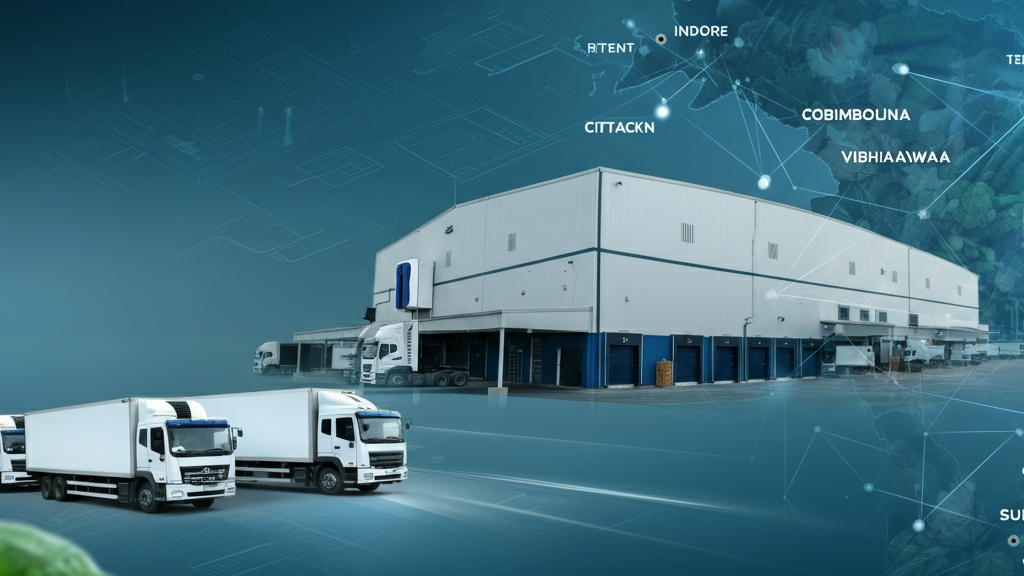
Tier-2 startup innovation is quietly reshaping cold climate logistics across India, as founders build practical solutions for temperature-sensitive supply chains. From food and pharmaceuticals to agri produce, startups in non-metro cities are addressing gaps that large logistics players often overlook.
This is an evergreen shift driven by climate diversity, regional demand and operational necessity rather than hype or policy announcements.
Why Cold Climate Logistics Is a Growing Problem
Cold climate logistics refers to transporting and storing goods in low-temperature or temperature-sensitive conditions without compromising quality. In India, this challenge is no longer limited to extreme hill regions. Winter cold waves, fog-prone corridors and long transit times affect large parts of north, central and eastern India.
Tier-2 cities play a critical role in this ecosystem. They act as aggregation points for agriculture, food processing, pharmaceuticals and dairy supply chains. However, traditional logistics infrastructure in these regions was designed for ambient conditions, not temperature control.
As consumption of frozen foods, fresh produce and temperature-sensitive medicines rises, inefficiencies become costly. Spoilage, delayed deliveries and inconsistent quality directly impact margins. This gap has created space for local startups to build targeted solutions.
Why Tier-2 Founders Are Best Placed to Solve It
Founders based in tier-2 cities understand local weather patterns, infrastructure limits and cost sensitivities. Unlike metro-based logistics firms that scale uniformly, these startups design region-specific systems.
Many founders come from family businesses in transport, warehousing or agriculture. Their solutions are rooted in lived experience rather than abstract optimization. This results in products that prioritize reliability, ease of use and affordability over complex tech stacks.
Tier-2 startups also benefit from proximity to clients. Short feedback loops allow faster iteration. A cold storage issue reported in the morning can inform product tweaks within days, not quarters.
Hardware-Led Innovations for Cold Chain Stability
Several startups focus on hardware solutions to stabilize cold climate logistics. These include insulated containers, portable cold boxes and temperature-regulated vehicle retrofits designed for short and mid-haul routes.
Instead of expensive refrigerated trucks, founders offer modular insulation and cooling units that can be attached to existing vehicles. This lowers entry barriers for small transporters who cannot afford full cold chain fleets.
Sensor-enabled containers are another area of innovation. These devices track internal temperature, humidity and door openings. Alerts are triggered if conditions deviate from safe ranges, allowing corrective action before spoilage occurs.
Such hardware-first approaches suit tier-2 realities where infrastructure upgrades must work with existing assets.
Software and Data Solutions Improving Visibility
Alongside hardware, startups are building lightweight software platforms to improve cold chain visibility. These systems track shipments, predict delays and flag risk zones based on weather and route data.
In fog-heavy winter corridors, software models adjust delivery schedules automatically. For perishable goods, this reduces exposure time and improves planning accuracy. Dashboards provide real-time insights to shippers who previously relied on phone calls and manual updates.
Importantly, these platforms are designed for low-bandwidth environments. Offline functionality and simple interfaces ensure adoption even in semi-rural regions.
Sector-Specific Use Cases Driving Adoption
Cold climate logistics solutions are finding traction in specific sectors. Dairy cooperatives use temperature monitoring to maintain quality during early morning collections. Pharma distributors rely on compliance tracking to meet storage norms during winter transport.
Fresh produce startups use modular cold storage to extend shelf life during transit from farms to markets. This reduces distress sales and stabilizes prices.
E-commerce players operating in tier-2 markets also partner with local startups to manage winter delivery challenges, particularly for groceries and health products.
These focused use cases help startups scale sustainably without spreading resources too thin.
Business Models Built for Regional Economics
Tier-2 logistics startups adopt pricing models aligned with local economics. Subscription-based access to hardware, pay-per-trip monitoring fees and shared infrastructure models are common.
Rather than selling expensive equipment outright, founders focus on recurring revenue and long-term relationships. This lowers upfront costs for clients and improves retention.
Local maintenance and support teams further strengthen trust. In cold chain logistics, downtime is expensive. Startups that offer quick on-ground support gain an edge over centralized providers.
Challenges Faced by Cold Climate Logistics Startups
Despite demand, challenges persist. Capital-intensive hardware development strains early-stage finances. Access to patient capital remains limited outside metros.
Regulatory compliance in pharma and food logistics adds complexity. Startups must ensure accuracy and reliability to avoid penalties for clients.
Skilled talent for hardware integration and data analytics is harder to attract in smaller cities. Many founders address this through partnerships with local engineering institutes and remote teams.
Infrastructure gaps such as inconsistent power supply also require backup solutions, increasing costs.
Why This Trend Will Strengthen Tier-2 Startup Ecosystems
Cold climate logistics startups demonstrate how regional problems create global-grade innovation. As these solutions mature, they can be replicated across similar geographies, including export corridors.
Their success also strengthens tier-2 startup ecosystems by creating jobs, attracting investment and building domain expertise. Instead of competing with metro startups on generic platforms, they lead in specialized verticals.
This pattern signals a broader shift where tier-2 cities become problem solvers rather than talent exporters.
Takeaways
Tier-2 startups are addressing cold climate logistics through practical, region-specific solutions
Hardware and software innovations focus on affordability and reliability
Sector-specific use cases drive sustainable adoption
Local knowledge gives tier-2 founders a competitive edge
FAQs
What is cold climate logistics?
It involves transporting and storing goods under low-temperature or controlled conditions to prevent spoilage or quality loss.
Why are tier-2 cities important for cold chain innovation?
They sit at the intersection of production and distribution and face unique climate and infrastructure challenges.
Are these solutions affordable for small businesses?
Yes. Most startups design modular and subscription-based models to reduce upfront costs.
Which sectors benefit the most from these startups?
Dairy, pharmaceuticals, fresh produce and grocery logistics see the highest impact.










Leave a comment