

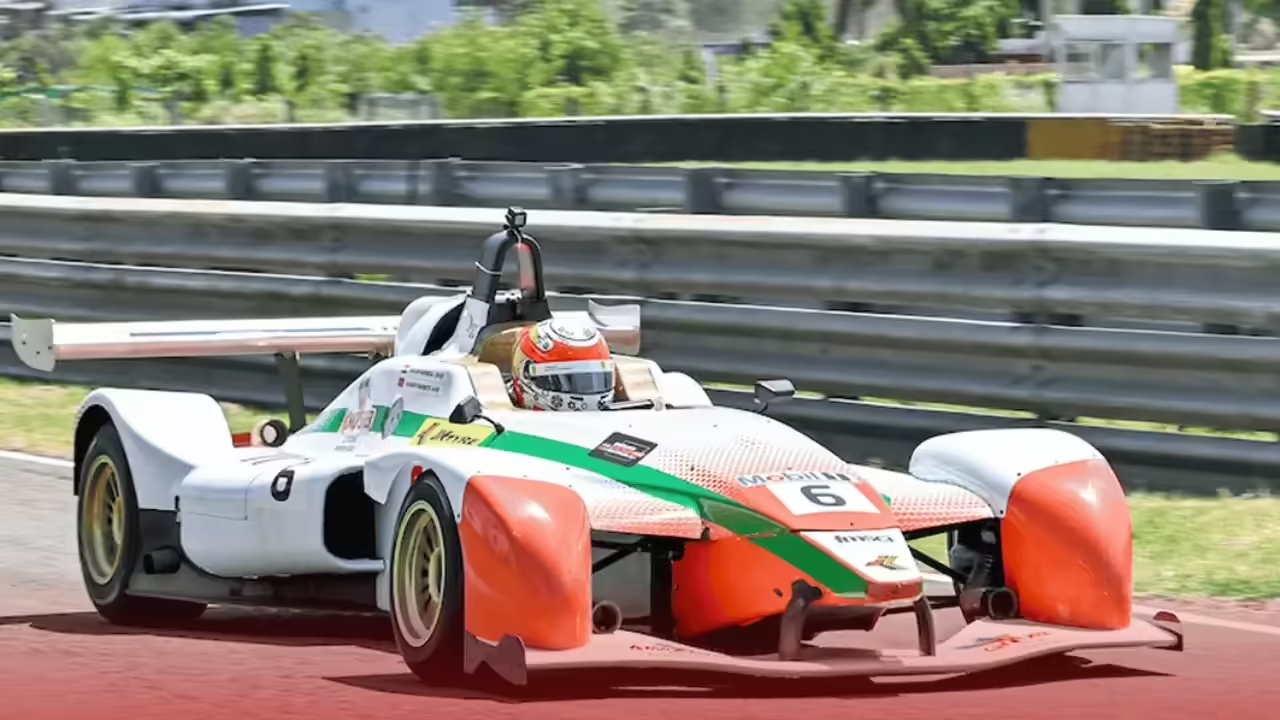
Goa’s street racing circuit debut marks a notable shift in India’s motorsports landscape. The initiative positions the state as a new destination for sports tourism, expanding beyond beaches and nightlife into high-adrenaline, event-driven travel experiences.
Goa street racing circuit debut is a time-sensitive development story, linked to recent event announcements and tourism strategy shifts. It reflects how states are experimenting with new formats to attract visitors and diversify local economies.
What the Goa Street Racing Circuit Launch Means
The introduction of a street racing circuit in Goa signals a strategic attempt to enter the global motorsports ecosystem. Street circuits are temporary tracks created on public roads, similar to those used in cities like Monaco and Singapore.
Unlike permanent racing tracks, street circuits bring the sport directly into urban areas. This creates higher visibility, easier access for spectators, and stronger integration with local tourism.
For Goa, the move is significant. The state has traditionally relied on seasonal tourism, with peaks during winter and holiday periods. Events like street racing can help extend tourist inflow across the year.
It also positions Goa as more than a leisure destination by adding a competitive sporting identity.
Sports Tourism in India Is Gaining Momentum
Sports tourism in India has been growing steadily, driven by leagues, marathons, and international events. However, most high-profile events are concentrated in metro cities.
Goa’s entry into motorsports changes that dynamic. It shows that smaller states can host large-scale events with the right infrastructure and planning.
Street racing, in particular, has strong global appeal. It attracts not just motorsport fans but also casual tourists interested in the atmosphere, concerts, and associated experiences.
This creates a multi-layered economic impact. Hotels, restaurants, local transport, and event services all benefit from increased footfall.
Why Street Circuits Are Attractive for Tourism Growth
Street circuits offer a unique advantage compared to traditional sports infrastructure. They require lower long-term investment since they use existing roads and temporary setups.
This makes them ideal for regions testing new tourism formats without committing to permanent facilities.
In Goa’s case, the scenic coastal backdrop adds to the appeal. Visual experience plays a big role in motorsports broadcasting and social media reach.
Events held in visually distinctive locations tend to attract higher global attention. This can boost Goa’s international visibility beyond its current positioning.
Additionally, street racing events often include entertainment segments such as live music and fan zones, turning them into festival-like experiences.
Infrastructure and Execution Challenges to Watch
While the opportunity is clear, execution will determine success. Street circuits require extensive planning around safety, traffic management, and crowd control.
Public roads need to be temporarily closed and modified to meet racing standards. This can disrupt daily life for residents if not managed efficiently.
There are also regulatory and environmental considerations. Noise levels, emissions, and public safety must be addressed to ensure long-term viability.
Another key factor is coordination between multiple agencies, including tourism departments, local authorities, and event organizers.
Any gaps in execution can impact both the event experience and the state’s reputation.
Impact on Local Economy and Businesses
The economic upside of such events can be substantial. Sports tourism typically generates high-value spending compared to regular tourism.
Visitors attending motorsports events often spend on premium experiences, including hotels, dining, and entertainment.
Local businesses benefit directly. Restaurants, transport providers, and event vendors see increased demand during event periods.
There is also potential for job creation. Event management, logistics, and hospitality sectors gain temporary and sometimes permanent employment opportunities.
For startups, especially in travel and event services, this opens new market segments.
Can Goa Set a Template for Other States
Goa’s street racing circuit debut could act as a test case for other Indian states. If successful, similar models may be adopted in cities looking to boost tourism without heavy infrastructure investment.
States with strong urban layouts and tourism potential could explore street circuits as part of their strategy.
However, replication will depend on local conditions. Not every city has the combination of road quality, scenic value, and tourism demand required for such events.
Goa’s advantage lies in its existing global recognition as a tourist destination. The street racing initiative builds on that foundation rather than starting from scratch.
What This Means for India’s Tourism Strategy
The move reflects a broader shift in India’s tourism strategy. States are increasingly looking beyond traditional attractions and investing in experiences.
Event-based tourism is becoming a key focus area. It helps create repeat visits and builds a more dynamic tourism calendar.
For India, expanding sports tourism beyond metros is crucial. It distributes economic benefits more evenly and reduces pressure on major cities.
Goa’s experiment with street racing could be an early indicator of how this strategy evolves in the coming years.
Takeaways
• Goa’s street racing circuit introduces a new category of sports tourism in India
• Street circuits offer cost-effective, high-visibility event opportunities
• Execution challenges around safety and logistics remain critical
• Success could inspire similar initiatives in other non-metro regions
FAQs
What is a street racing circuit?
It is a temporary race track created on public roads, designed for motorsport events.
Why is Goa hosting this event?
The state is diversifying its tourism offerings and aiming to attract year-round visitors.
How does this benefit the local economy?
It increases tourist spending, supports local businesses, and creates job opportunities.
Can other Indian states replicate this model?
Yes, but success depends on infrastructure, planning, and tourism demand.








Leave a comment