

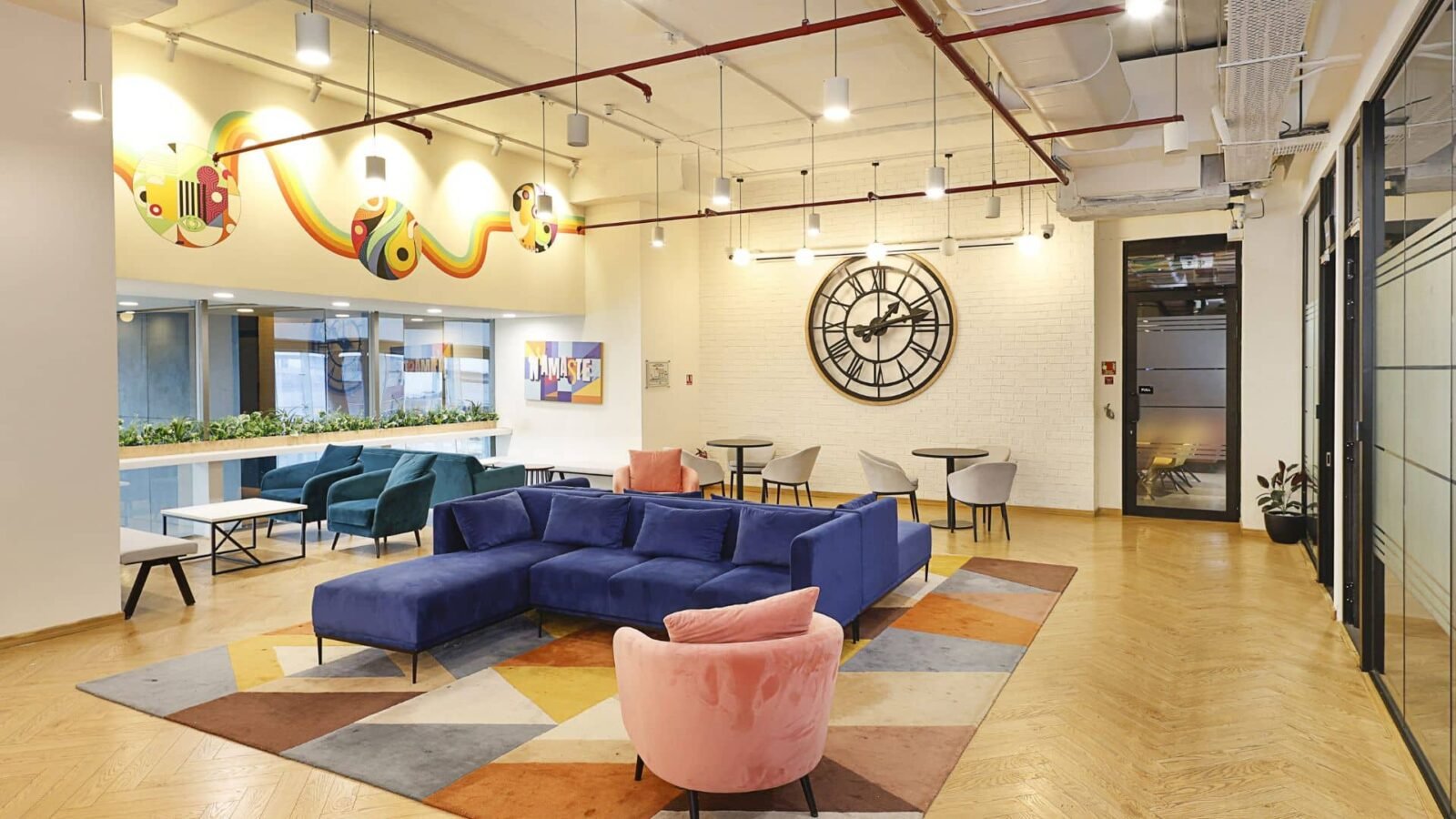
India’s Tier-2 office space boom is accelerating as companies expand beyond metros. Cities like Nagpur and Indore are seeing rising demand for commercial real estate, but questions remain about whether infrastructure, talent, and planning can keep pace with this rapid growth.
Tier-2 office space boom is a time-sensitive business and infrastructure trend, backed by recent leasing data and expansion strategies of companies moving into emerging cities. The shift reflects immediate changes in how India’s corporate landscape is evolving in 2026.
Why Tier-2 Cities Are Attracting Office Space Demand
The surge in office space demand across Tier-2 cities is driven by a combination of cost advantages and strategic expansion. Companies are increasingly looking beyond metro cities due to high rentals, congestion, and limited scalability.
Cities like Nagpur and Indore offer significantly lower real estate costs while still providing access to skilled talent. This makes them attractive for sectors such as IT services, back-office operations, and startups.
Another factor is the rise of hybrid work models. Companies no longer need to concentrate their workforce in one metro location. Instead, they are building distributed teams across multiple cities.
This shift is not temporary. It is becoming a long-term strategy for cost optimization and operational flexibility.
Commercial Real Estate Trends in Nagpur and Indore
Nagpur and Indore are emerging as key beneficiaries of this trend. Both cities have seen increased interest from developers and corporates looking to establish office hubs.
Nagpur’s central location makes it a logistics and connectivity advantage. With ongoing infrastructure projects, it is positioning itself as a business hub in central India.
Indore, on the other hand, has built a strong reputation as a clean and well-managed city with a growing startup ecosystem. It has also attracted IT companies and educational institutions, creating a steady talent pipeline.
Developers are responding with Grade A office spaces, co-working hubs, and integrated business parks. However, supply still needs to scale further to meet growing demand.
Infrastructure Challenges in Tier-2 Growth Cities
While demand is rising, infrastructure remains a critical bottleneck. Office space alone does not define a business ecosystem. Cities need reliable transport, housing, and urban services to support workforce migration.
Public transport systems in many Tier-2 cities are still developing. Traffic management, last-mile connectivity, and airport capacity can impact business operations.
Digital infrastructure is another key factor. High-speed internet and reliable power supply are essential for IT and service-based companies.
If these gaps are not addressed, companies may face operational inefficiencies despite lower costs.
Talent Availability and Workforce Distribution
One of the biggest advantages for Tier-2 cities is the availability of skilled talent. Cities like Indore have strong educational institutions producing graduates in engineering, management, and IT.
However, retaining talent is a different challenge. Many professionals still prefer metro cities for better lifestyle options and career growth.
To compete, Tier-2 cities need to improve urban living standards, including housing, healthcare, and entertainment.
Companies are also adapting by offering flexible work models, allowing employees to work closer to their hometowns. This is helping reduce attrition and improve workforce stability.
Role of Government Policies and Urban Planning
Government initiatives are playing a significant role in supporting the Tier-2 office space boom. Policies promoting industrial corridors, smart cities, and infrastructure development are creating a supportive environment.
State governments are also offering incentives to attract businesses, including easier approvals and tax benefits.
Urban planning will be crucial in determining long-term success. Unplanned expansion can lead to congestion and infrastructure stress, replicating the challenges seen in metros.
Cities that adopt planned growth models will have a competitive advantage in attracting sustained investments.
Can Tier-2 Cities Sustain This Growth Momentum
The current momentum is strong, but sustainability depends on execution. Real estate supply must align with demand, and infrastructure upgrades must keep pace with expansion.
Nagpur and Indore have clear advantages, but they are still in a transition phase. Their ability to scale efficiently will determine whether they can compete with established metro markets.
For businesses, the opportunity is significant. Lower costs and emerging ecosystems offer a strong case for expansion. For cities, this is a chance to redefine their economic identity.
The next few years will be critical in shaping how Tier-2 India fits into the broader growth story.
Takeaways
• Tier-2 office space demand is rising due to cost and flexibility advantages
• Nagpur and Indore are emerging as key commercial real estate hubs
• Infrastructure and talent retention remain major challenges
• Long-term success depends on planning, policy support, and execution
FAQs
Why are companies moving to Tier-2 cities for office space?
Lower costs, availability of land, and access to talent make Tier-2 cities attractive alternatives to metros.
Which industries are driving this demand?
IT services, startups, e-commerce, and back-office operations are leading the shift.
Are Tier-2 cities ready for large-scale corporate expansion?
They are improving, but infrastructure and urban planning need to scale further.
Will this trend continue in the future?
Yes, as hybrid work and cost optimization remain priorities for businesses.










Leave a comment