

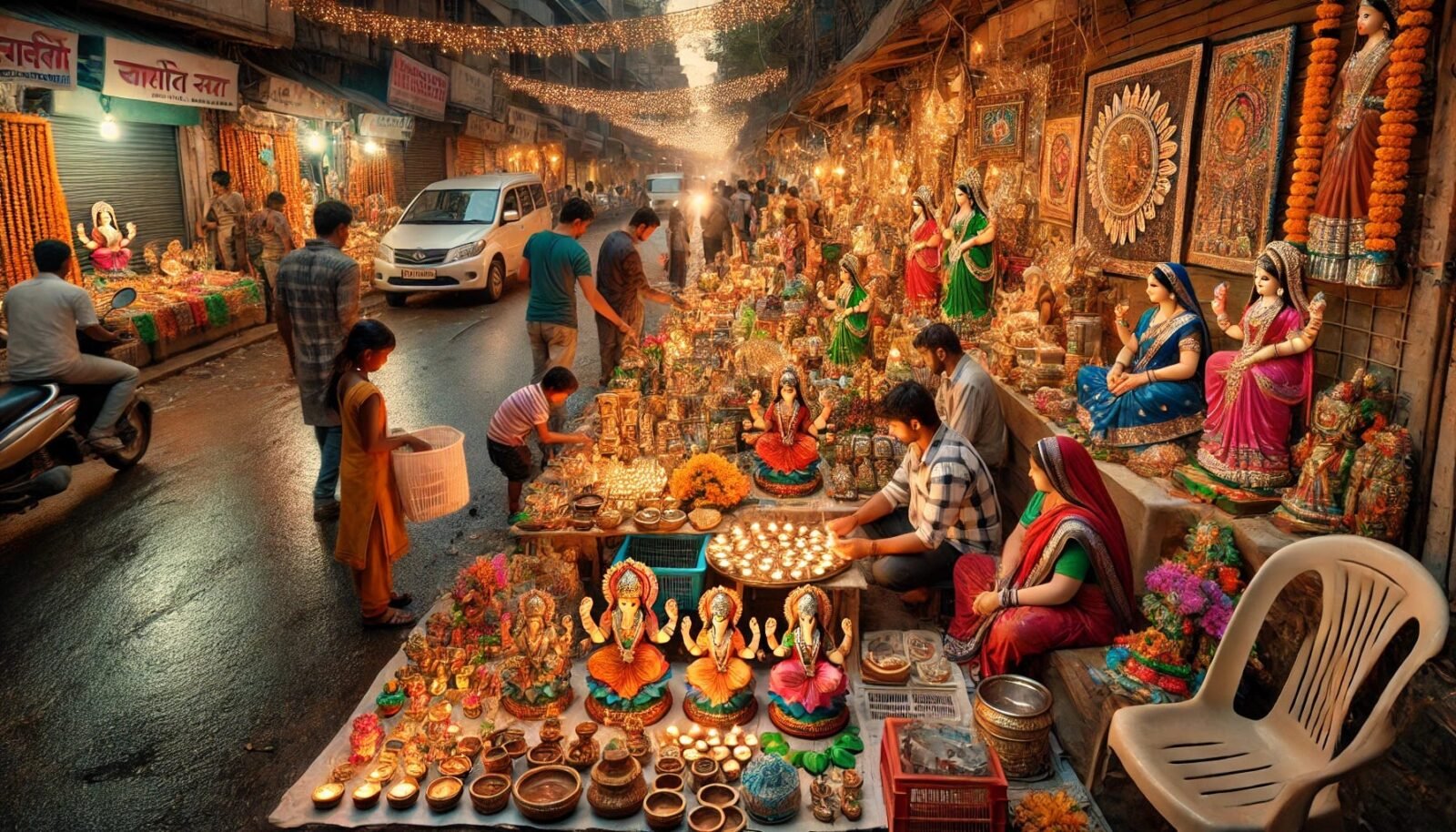
Small-town India event economy growth is becoming a defining trend as cultural festivals expand beyond metros. From regional fairs to curated art and music events, Tier-2 and Tier-3 cities are turning into active hubs of tourism, commerce, and community-driven experiences.
Small-town India event economy growth is a time-sensitive trend, supported by the rising number of festivals, government-backed cultural initiatives, and increasing participation across non-metro regions in recent years. The shift reflects an ongoing transformation in how events contribute to local economies.
How Cultural Festivals Are Fueling Local Economies
Cultural festivals in smaller cities are no longer limited to traditional gatherings. They are evolving into structured events with organized programming, sponsorships, and tourism integration.
Events like literature festivals, food fairs, music concerts, and heritage celebrations are drawing visitors from nearby districts and even other states. This creates immediate economic activity through ticket sales, hospitality bookings, and local spending.
For example, cities like Jaipur, Indore, and Kochi have demonstrated how recurring festivals can create a sustained economic cycle. Smaller towns are now replicating similar models at a more localized scale.
This shift indicates that the event economy is no longer dependent only on metro audiences.
Rise of Tier-2 Cultural Festivals as Growth Engines
Tier-2 cultural festivals are gaining traction because they tap into strong regional identity and community participation. Unlike metro events that rely heavily on external audiences, these festivals build on local engagement.
Government initiatives promoting regional art, crafts, and tourism have further accelerated this growth. State tourism boards are increasingly investing in festival branding and infrastructure support.
In cities like Nagpur and Nashik, events centered around food, music, and heritage are seeing higher attendance each year. These festivals often coincide with local traditions, making them more authentic and appealing.
The result is a hybrid model where cultural preservation and economic activity go hand in hand.
Event Tourism Expands Beyond Metro Cities
Event tourism in India is expanding as travelers seek experiences rather than just destinations. Small towns are benefiting from this shift by offering unique, less crowded alternatives.
Visitors attending festivals often extend their stay, exploring nearby attractions and contributing to the local tourism ecosystem. This increases average spending per visitor.
Transport connectivity improvements have also played a role. Better highways and rail networks make it easier for people to travel to smaller cities for short-duration events.
Digital platforms and social media amplify visibility. A well-marketed festival in a small town can now attract national attention within days.
Opportunities for Local Businesses and Startups
The growth of the event economy creates direct opportunities for local businesses. Vendors, artisans, food entrepreneurs, and service providers see increased demand during festival periods.
Startups in event management, ticketing, and digital promotion are also finding new markets in smaller cities. These regions often have less competition compared to metros.
Hospitality businesses benefit significantly. Hotels, homestays, and transport services experience higher occupancy rates during events.
Additionally, local artisans gain exposure to wider audiences, helping sustain traditional crafts and generate income.
This ecosystem effect is what makes the event economy a powerful growth driver.
Challenges in Scaling Small-Town Event Infrastructure
Despite the momentum, there are challenges that need attention. Infrastructure limitations remain a key issue in many smaller cities.
Venue availability, crowd management systems, and public amenities often need upgrades to handle larger audiences. Without proper planning, events can face logistical issues.
Funding is another constraint. While sponsorships are increasing, many festivals still rely on limited budgets, affecting scale and quality.
Consistency is also important. One successful event does not guarantee long-term impact. Cities need to build annual calendars and maintain quality standards.
Addressing these challenges will be critical for sustained growth.
Lessons for Building a Sustainable Event Economy
The success of small-town festivals offers clear lessons for policymakers and organizers. First, local identity should remain central. Events that reflect regional culture tend to resonate more with audiences.
Second, partnerships matter. Collaboration between government bodies, private sponsors, and local communities ensures better execution and funding.
Third, digital promotion is essential. Social media and online ticketing platforms can significantly increase reach and participation.
Finally, infrastructure planning must keep pace with growth. Investment in venues, transport, and public services is necessary to support larger events.
These factors determine whether a festival becomes a one-time success or a long-term economic asset.
What This Means for India’s Cultural Economy
The rise of small-town event economies signals a broader shift in India’s growth narrative. Cultural capital is becoming an economic asset, not just a heritage element.
By decentralizing events, economic benefits are distributed more evenly across regions. This reduces dependency on metro cities and creates new growth centers.
For audiences, it means access to diverse experiences closer to home. For cities, it means new revenue streams and increased visibility.
As more towns invest in cultural festivals, the event economy is likely to become a key pillar of India’s tourism and creative industries.
Takeaways
• Small-town festivals are driving a new phase of event economy growth in India
• Tier-2 and Tier-3 cities are emerging as cultural and tourism hubs
• Local businesses and startups benefit directly from increased event activity
• Infrastructure and consistent planning are critical for long-term success
FAQs
What is the event economy?
It refers to economic activity generated by events such as festivals, concerts, and exhibitions.
Why are small towns becoming popular for festivals?
They offer unique cultural experiences, lower costs, and strong community participation.
How do festivals impact local businesses?
They increase demand for hospitality, retail, transport, and local services.
Can small-town festivals compete with metro events?
Yes, if they focus on authenticity, planning, and effective promotion.









Leave a comment