

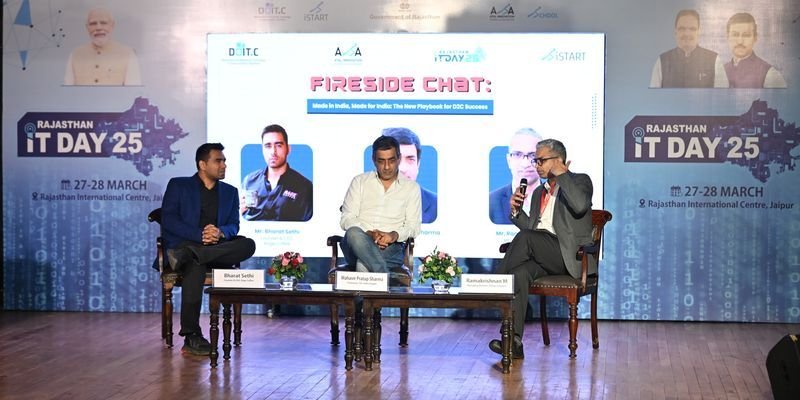
India’s direct-to-consumer, or D2C, market is no longer dominated only by startups from Bengaluru, Mumbai, or Delhi. Across smaller cities like Jaipur, Indore, Surat, Nagpur, Kochi, and Ludhiana, a new wave of entrepreneurs is building profitable consumer brands that are steadily competing with established urban startups through digital reach, regional understanding, and lower operating costs.
India’s D2C brands from smaller cities are rapidly transforming the startup landscape. Over the last few years, affordable internet access, digital payments, social commerce, and logistics expansion have allowed businesses from Tier-2 and Tier-3 cities to directly reach customers nationwide without depending on traditional retail networks.
What was once considered a metro-driven startup ecosystem is now seeing strong participation from entrepreneurs outside major urban centers. From fashion and skincare to snacks, furniture, and regional food products, many emerging brands are finding loyal customers online while quietly challenging bigger urban competitors.
Why Smaller Cities Are Becoming D2C Startup Hubs
One of the biggest reasons behind this shift is the lower cost of operations in smaller cities. Entrepreneurs in cities like Nagpur, Coimbatore, or Lucknow often spend significantly less on office rent, warehousing, staffing, and manufacturing compared to startups based in metro cities.
This financial advantage allows smaller brands to focus more on product quality and customer retention instead of burning large amounts on overhead expenses.
Another factor is the rise of digital infrastructure. Unified Payments Interface (UPI), affordable smartphones, and improved internet connectivity have created a strong foundation for online business growth across India. Entrepreneurs no longer need a physical store in Mumbai or Delhi to build a national customer base.
Social media platforms have also played a major role. Instagram Reels, YouTube Shorts, and WhatsApp Business have become low-cost marketing tools for small-town founders who may not have large advertising budgets.
Regional Understanding Gives Local Brands a Competitive Edge
Many D2C startups from smaller cities understand regional consumer behavior better than larger urban brands. This local insight helps them create products that feel more relatable to customers across India.
For example, food and beverage startups are successfully selling regional snacks and traditional products online by targeting nostalgic buyers living in bigger cities. Similarly, clothing and home decor brands are using local craftsmanship and cultural identity as part of their branding strategy.
Consumers are increasingly looking for authenticity and niche products rather than mass-produced items. Smaller-city startups are benefiting from this shift because many of them already operate close to local artisans, manufacturers, and raw material suppliers.
This has also helped preserve regional industries while creating employment opportunities within smaller urban economies.
Social Commerce and Influencer Marketing Are Fueling Growth
The growth of social commerce has made it easier for D2C brands to compete with larger companies. Instead of relying only on expensive advertising campaigns, many startups are building communities online through relatable content and influencer collaborations.
Regional influencers and creators are becoming especially important in this ecosystem. Unlike celebrity-driven promotions, smaller influencers often have stronger engagement with audiences from Tier-2 and Tier-3 cities.
Many brands are now focusing on vernacular marketing, local language content, and relatable storytelling to connect with customers more effectively.
Platforms like Meesho and Shopify have also simplified online selling for smaller businesses. Entrepreneurs with limited technical knowledge can now launch online stores, manage orders, and market products with minimal investment.
Challenges Still Exist for Smaller-City Startups
Despite the momentum, D2C brands from smaller cities still face several challenges. Access to venture capital remains uneven, as many investors continue to focus heavily on metro-based startups.
Logistics and supply chain management can also become difficult for businesses operating from smaller regions, especially when dealing with nationwide deliveries and returns.
Another challenge is brand visibility. Competing against well-funded urban startups with massive advertising budgets requires consistency and strong customer trust.
However, many founders are choosing profitability over aggressive expansion. Instead of chasing rapid valuation growth, several small-city startups are focusing on sustainable operations and long-term customer loyalty.
This approach has started attracting attention from investors who are now increasingly looking for capital-efficient businesses.
India’s Startup Ecosystem Is Expanding Beyond Metros
The success of D2C brands from smaller cities reflects a larger shift in India’s startup economy. Entrepreneurship is no longer limited to a few technology hubs.
Government initiatives supporting digital payments, startup registration, and local manufacturing have encouraged more people to explore business opportunities outside traditional corporate centers.
At the same time, changing consumer behavior has created space for brands that offer personalized products, regional identity, and direct engagement.
What this really means is that India’s next major consumer brands may not necessarily emerge from glass office towers in metro cities. They could just as easily come from smaller cities where founders better understand local markets, operate lean businesses, and build strong digital communities.
As India’s internet economy continues expanding, the gap between metro startups and small-city brands is narrowing faster than many expected.
Key Takeaways
- D2C startups from Tier-2 and Tier-3 cities are gaining national visibility through digital platforms.
- Lower operating costs help smaller-city brands focus more on profitability and product quality.
- Regional understanding and local storytelling are becoming major competitive advantages.
- Social commerce and influencer marketing are helping small businesses challenge larger urban startups.
FAQ
What are D2C brands?
D2C, or direct-to-consumer brands, sell products directly to customers through online platforms without depending heavily on traditional retail stores.
Why are smaller cities becoming important for startups?
Lower business costs, digital infrastructure growth, and increasing internet access have made it easier for entrepreneurs in smaller cities to build scalable businesses.
Which sectors are seeing growth in smaller-city D2C startups?
Fashion, skincare, regional food products, furniture, lifestyle products, and home decor are among the fastest-growing sectors.
Are investors supporting startups from Tier-2 and Tier-3 cities?
Interest is growing gradually, especially for profitable and sustainable businesses, although metro-based startups still receive a larger share of funding.








Leave a comment