

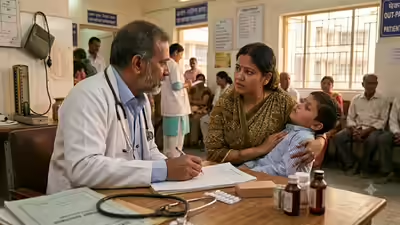
As the monsoon intensifies across India, district hospitals face a sharp rise in seasonal illnesses such as dengue, malaria, chikungunya, and waterborne infections. The preparedness of healthcare facilities in smaller cities has become a key public health concern, with infrastructure, staffing, and preventive measures playing a crucial role.
The topic is time sensitive because it is linked to the ongoing monsoon season and the seasonal increase in infectious diseases across many Indian states. The article below follows a news-focused reporting style while providing broader public health context.
District Hospitals Face the Real Test During the Monsoon
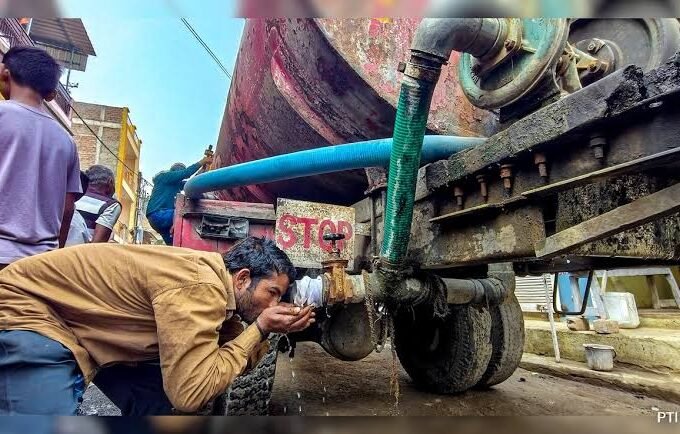
Every year, the preparedness of district hospitals during the monsoon comes under scrutiny as seasonal diseases begin to spread across many parts of India. Heavy rainfall often leads to waterlogging, poor sanitation, contaminated drinking water, and mosquito breeding, creating ideal conditions for infections such as dengue, malaria, chikungunya, typhoid, hepatitis A, and acute diarrhoeal diseases.
Unlike metropolitan cities that have access to large tertiary care hospitals, people in Tier 2 and Tier 3 cities largely depend on district hospitals and community health centres for treatment. These facilities become the first point of care during outbreaks, making their preparedness critical for preventing serious health emergencies.
Health departments across several states usually issue seasonal advisories before and during the monsoon, asking hospitals to stock essential medicines, improve surveillance, and strengthen emergency response systems. However, preparedness often varies depending on local infrastructure, funding, staffing, and disease burden.
Seasonal Disease Outbreaks Increase Pressure on Healthcare Infrastructure
The arrival of the monsoon brings a predictable surge in patients with fever, dehydration, stomach infections, and vector-borne diseases. This sudden increase often stretches hospital resources, particularly in districts where healthcare infrastructure is already operating near capacity.
Seasonal disease outbreaks require hospitals to maintain adequate bed availability, emergency medicines, laboratory testing facilities, intravenous fluids, blood components for severe dengue cases, and isolation arrangements when necessary. Delays in diagnosis or shortages of essential supplies can affect patient outcomes during peak transmission periods.
Laboratories also play an important role. Timely testing for dengue, malaria, and other infectious diseases allows doctors to begin appropriate treatment early and helps public health officials monitor disease trends. Efficient reporting systems enable district administrations to identify emerging hotspots and respond with mosquito control measures or sanitation drives.
Challenges Faced by Smaller City Hospitals
While many district hospitals have improved significantly over the past decade, several operational challenges remain.
Staff shortages continue to affect many facilities, especially in rural and semi-urban districts. Doctors, nurses, laboratory technicians, and support staff often handle increased patient loads during the rainy season. Longer waiting times can make it difficult for hospitals to manage large numbers of patients efficiently.
Infrastructure is another concern. Older buildings may struggle with drainage issues, overcrowded waiting areas, or limited intensive care facilities. Frequent power interruptions in some regions can also affect diagnostic equipment unless reliable backup systems are available.
Another challenge involves public awareness. Many patients delay seeking medical attention, assuming fever or stomach illness will improve on its own. By the time they reach the hospital, complications may have developed, increasing the need for intensive treatment.
Government Measures and Local Preparedness Efforts
Every monsoon season, state governments and district administrations typically activate disease surveillance systems to monitor rising case numbers. Municipal bodies conduct anti-larval drives, fogging operations in high-risk areas, and awareness campaigns encouraging residents to eliminate stagnant water around their homes.
Hospitals often receive additional stocks of essential medicines, rapid diagnostic kits, intravenous fluids, and protective equipment before the peak monsoon period. Many districts also establish fever clinics to separate patients with suspected infectious diseases from general outpatient services, helping reduce overcrowding.
Public health teams work alongside Accredited Social Health Activists (ASHAs), Auxiliary Nurse Midwives (ANMs), and community health workers to educate residents about mosquito control, safe drinking water, hand hygiene, and early symptom recognition. These grassroots efforts are particularly valuable in villages and smaller towns where healthcare access may be limited.
Prevention Remains the Most Effective Strategy
Healthcare experts consistently emphasize that preventing disease is more effective than managing large outbreaks after they occur. Clean drinking water, proper sanitation, waste management, mosquito control, and timely medical consultation remain the strongest defenses against seasonal illnesses.
Individuals also have an important role to play. Using mosquito repellents, wearing full-sleeved clothing, covering stored water containers, avoiding stagnant water accumulation, washing hands regularly, and seeking medical care for persistent fever can significantly reduce health risks.
As climate patterns continue to influence rainfall intensity across India, district hospitals will likely face recurring seasonal challenges. Continued investment in healthcare infrastructure, trained personnel, laboratory capacity, disease surveillance, and public awareness will determine how effectively smaller cities respond to future outbreaks.
Key Takeaways
- District hospitals serve as the primary healthcare providers for millions of people in Tier 2 and Tier 3 cities during the monsoon.
- Seasonal diseases such as dengue, malaria, diarrhoea, and typhoid place significant pressure on healthcare systems every rainy season.
- Hospital preparedness depends on staffing, medicine availability, laboratory capacity, surveillance, and local administration.
- Community participation in hygiene, sanitation, and mosquito control is essential to reduce disease transmission.
Frequently Asked Questions
Q1. Which diseases become more common during the Indian monsoon?
Dengue, malaria, chikungunya, diarrhoeal diseases, typhoid, hepatitis A, leptospirosis in some regions, and other waterborne or vector-borne illnesses commonly increase during the rainy season.
Q2. Why are district hospitals important during seasonal outbreaks?
District hospitals provide primary and emergency care for large populations in smaller cities and rural areas where advanced tertiary hospitals may not be easily accessible.
Q3. How can people reduce the risk of monsoon-related diseases?
Maintaining clean surroundings, preventing water stagnation, drinking safe water, practicing good hygiene, and seeking early medical attention for fever or dehydration are effective preventive measures.
Q4. Are seasonal disease outbreaks predictable?
While the exact number of cases varies each year, public health authorities generally expect an increase in mosquito-borne and waterborne diseases during the monsoon and prepare accordingly.
(Internal Keyword Suggestions: district hospitals during monsoon, seasonal disease outbreaks, dengue prevention India, malaria cases monsoon, Tier 2 city healthcare, district hospital preparedness, public health India, monsoon healthcare infrastructure, waterborne diseases India, mosquito-borne diseases, rural healthcare system, monsoon health advisory)









Leave a comment