

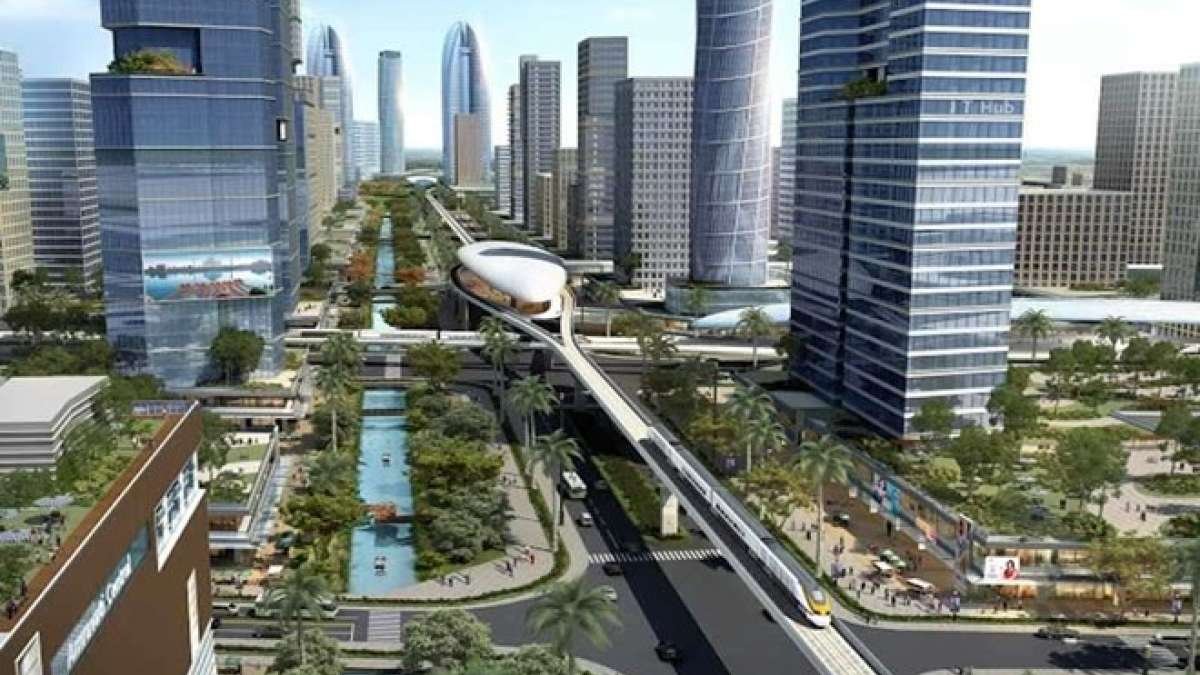
India’s Smart Cities Mission has transformed infrastructure across many Tier-2 cities, but the extent of improvement varies from one city to another. Better roads, digital services and public spaces have delivered visible benefits, while challenges such as maintenance, traffic and water management continue to require sustained attention.
The topic is evergreen with current relevance. It evaluates the long-term impact of the Smart Cities Mission rather than reporting on a specific breaking news event, making it suitable as an analytical and informative article.
India’s Smart City Projects in Tier-2 India have reshaped urban development over the past decade. The Smart Cities Mission, launched in 2015, aimed to improve the quality of life through better infrastructure, technology-driven governance and sustainable urban planning. While metropolitan cities often dominate discussions about urban transformation, many Tier-2 cities have quietly undergone significant changes. The key question today is whether these projects have translated into meaningful improvements for ordinary citizens or whether expectations still outweigh the results.
Better Roads, Public Spaces and Mobility Are Visible Changes
One of the most noticeable outcomes of smart city development has been the improvement of public infrastructure. Cities such as Indore, Surat, Bhopal, Nagpur, Udaipur, Ranchi and Bhubaneswar have upgraded roads, redesigned public squares, improved street lighting and developed pedestrian-friendly areas.
Many cities have also introduced integrated traffic management systems that use cameras and sensors to improve traffic flow and reduce congestion at major intersections. Smart LED streetlights have replaced conventional lighting in several urban areas, helping municipalities reduce electricity consumption while improving public safety at night.
Public parks, cycling tracks, riverfront developments and renovated marketplaces have also enhanced the urban experience. These projects not only improve aesthetics but also encourage healthier lifestyles and create more accessible public spaces for residents.
Digital Governance Has Made Civic Services More Accessible
A major objective of the Smart Cities Mission has been improving governance through technology. Many municipal corporations now offer online platforms where residents can pay property taxes, apply for certificates, register grievances and track civic complaints without visiting government offices.
Integrated command and control centres have become an important feature in several smart cities. These centres monitor traffic, public transport, emergency response and municipal services through real-time data. During festivals, large public gatherings and emergency situations, these systems help authorities coordinate resources more efficiently.
Digital governance has also increased transparency in several areas by allowing citizens to monitor service requests and receive updates through mobile applications.
Water Management and Waste Disposal Still Need Improvement
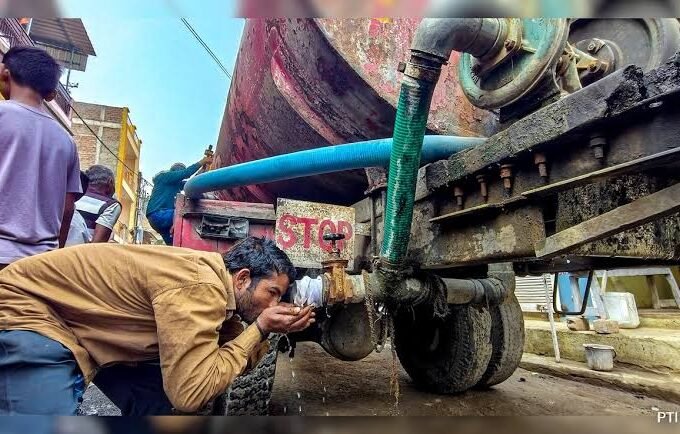
Despite visible progress, several urban challenges remain unresolved. Water supply continues to be inconsistent in many Tier-2 cities, particularly during summer months. Aging pipelines, leakage and uneven distribution affect residents even where smart infrastructure has been introduced.
Solid waste management has improved in some cities through door-to-door collection, waste segregation and GPS-enabled monitoring of garbage vehicles. Indore, for example, has consistently demonstrated how sustained civic participation and administrative planning can improve cleanliness standards.
However, many other cities continue to face difficulties with landfill management, illegal dumping and plastic waste. Smart technology alone cannot solve these issues without strong implementation and active public participation.
Similarly, urban flooding during heavy monsoon rains highlights the need for upgraded drainage systems alongside smart infrastructure projects.
Economic Growth and Investment Have Received a Boost
Smart city initiatives have also contributed to local economic development. Improved infrastructure makes cities more attractive for businesses, educational institutions and healthcare facilities. Better connectivity and upgraded urban amenities encourage investment and create employment opportunities.
Cities such as Nagpur, Coimbatore, Visakhapatnam and Vadodara have strengthened their position as regional business hubs by improving transport infrastructure and public services.
The development of smart industrial zones, innovation centres and startup ecosystems has further supported entrepreneurship outside major metropolitan regions. As a result, many young professionals now find better career opportunities closer to their hometowns instead of relocating to larger cities.
Although economic growth cannot be attributed solely to the Smart Cities Mission, improved urban infrastructure has certainly supported broader development goals.
Citizen Satisfaction Depends on Daily Convenience
For most residents, the success of a smart city is measured through everyday experiences rather than technological innovation alone. Reliable drinking water, clean roads, efficient public transport, safe public spaces and responsive municipal services have a greater impact on quality of life than advanced digital systems.
In cities where civic infrastructure has been properly maintained after project completion, public satisfaction has generally been higher. However, delays in maintenance, incomplete projects and coordination issues between departments have reduced the effectiveness of some initiatives.
Urban planners increasingly emphasize that smart cities should focus not only on technology but also on inclusive development. Affordable housing, accessible healthcare, environmental sustainability and disaster preparedness remain equally important components of a truly smart city.
The Next Phase Requires Long-Term Planning
The Smart Cities Mission has demonstrated that well-planned urban development can improve the quality of life in Tier-2 cities. However, long-term success will depend on maintaining completed infrastructure, upgrading aging civic systems and involving local communities in urban planning.
Future investments should prioritize climate resilience, efficient public transport, sustainable water management and digital inclusion alongside physical infrastructure. As India’s urban population continues to grow, smaller cities will play an increasingly important role in supporting economic development and reducing pressure on metropolitan areas.
Rather than viewing smart city projects as completed initiatives, policymakers now see them as part of an ongoing process of building resilient, efficient and citizen-friendly urban centres. The greatest improvements will come when technology, governance and public participation work together to address the everyday needs of residents.
Key Takeaways
- Smart city projects have improved roads, lighting, digital services and public spaces in many Tier-2 Indian cities.
- Online civic services and integrated command centres have made municipal governance more efficient in several locations.
- Water supply, drainage, waste management and long-term maintenance remain major challenges despite infrastructure upgrades.
- Future success depends on sustainable planning, climate resilience and continued citizen participation.
Frequently Asked Questions
Q1. What is the Smart Cities Mission?
The Smart Cities Mission is a Government of India initiative launched in 2015 to improve urban infrastructure, governance, sustainability and quality of life through technology-driven development.
Q2. Have Tier-2 cities benefited from smart city projects?
Yes. Many Tier-2 cities have experienced improvements in roads, public spaces, digital governance, traffic management and civic infrastructure, although the level of progress varies between cities.
Q3. What challenges still remain in smart cities?
Common challenges include inconsistent water supply, inadequate drainage, waste management issues, infrastructure maintenance and uneven implementation across different cities.
Q4. What should be the focus of future smart city development?
Future efforts should emphasize sustainable infrastructure, climate resilience, public transport, efficient water management, environmental protection and greater citizen engagement.











Leave a comment