

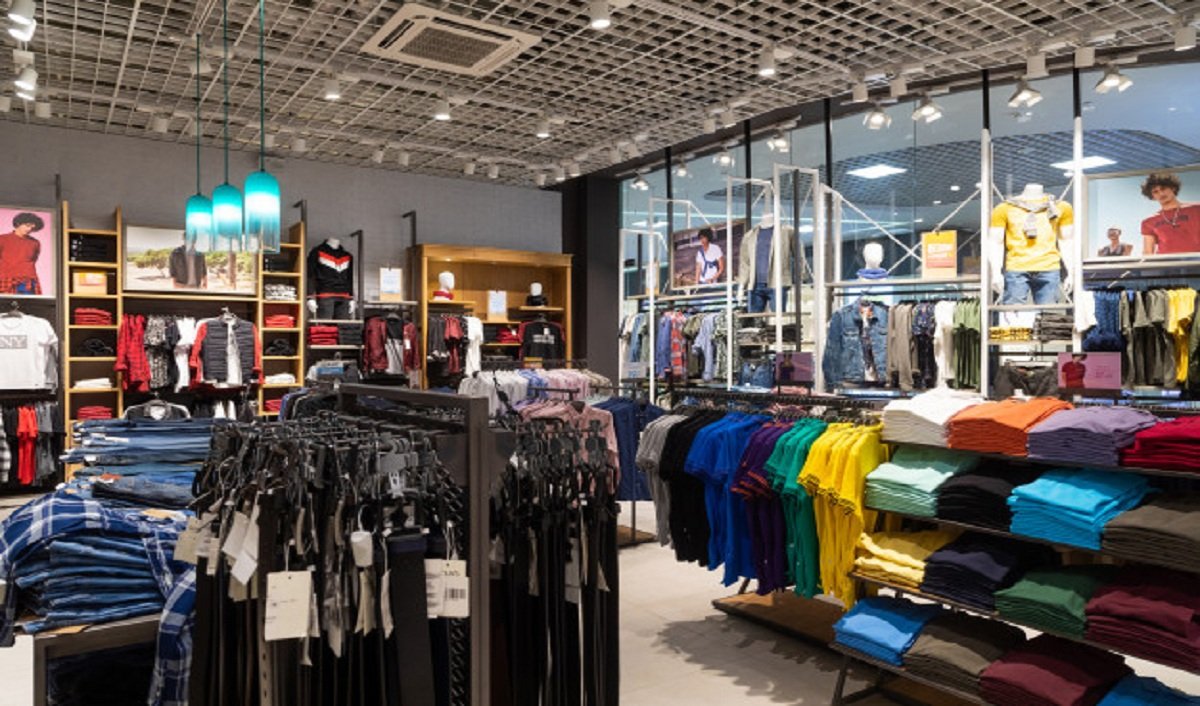
Younger users in Tier 2 cities are reshaping fashion and consumer habits in ways that differ sharply from metro peers, driven by rising income confidence, blended cultural exposure and sharper value awareness. Their choices now influence brand strategy across retail, beauty and lifestyle categories.
Why fashion choices among Tier 2 youth are shifting faster
The new generation in smaller cities is more experimental than the previous decade. Social media, influencers and reality shows expose them to global aesthetics earlier, reducing the style gap between metros and non metros.
But unlike metro users who focus on brand signalling, Tier 2 youth lean toward personal styling, affordability and trend adaptability. Their choices are deliberate rather than impulsive. Growth in local boutiques, online marketplaces and regional fashion creators has accelerated this shift. Young shoppers in Indore, Surat, Mysuru, Jaipur and Guwahati now select outfits based on fit, customisation and uniqueness more than brand logos.
How online platforms are shaping non metro fashion identity
Ecommerce and short video apps have equalised trend discovery. Young users in smaller cities find new styles at the same pace as metro audiences. But their buying approach differs. They mix branded items with local pieces, thrift purchases and custom stitched clothing.
Local tailors, Instagram resellers and city based designers play a big role in shaping their wardrobes. Unlike metros, where ready to wear dominates, Tier 2 shoppers value tailored outfits for weddings, college events and everyday wear. This blend of online inspiration and local execution has created a distinct fashion identity that feels original and budget aware.
Rising income confidence and its impact on consumer habits
A major shift comes from increasing disposable income among Tier 2 youth due to IT jobs, gig economy work, family businesses and early entrepreneurship. With higher income confidence, they upgrade fashion, gadgets and grooming products more frequently.
However, they balance aspiration with financial caution. Instead of premium purchases, they favour mid range brands that offer quality without metro level pricing. This behaviour has expanded demand for labels that sit between luxury and mass market. Local D2C brands gain strong traction because they offer perceived value without intimidating price points.
Why sustainability and conscious consumption look different in smaller cities
Sustainability as a trend registers differently in Tier 2 markets. Youth do not always use the terminology, but their habits reflect sustainable behaviour. They buy longer lasting items, reuse outfits creatively and prefer local vendors to high waste fast fashion cycles.
Metro users often adopt sustainability as a lifestyle statement, while smaller city youth practise it through resourcefulness and practicality. Thrift culture is growing but with a different narrative: affordability, uniqueness and reduced waste rather than activism. This creates a grounded form of conscious consumption rooted in real need.
Influence of regional culture on style choices
Cultural identity remains strong among Tier 2 youth, and it appears in fashion preferences. Instead of shifting fully to Western styles, they blend Indo Western outfits, regional prints, handcrafted accessories and festival wear.
Metro youth often move toward minimalism or monochrome palettes. Smaller city youth embrace colour, patterns and occasion based dressing. This makes their market behaviour more diverse and seasonally dynamic. Retailers see higher purchases during local festivals, community events and wedding seasons compared with metro counterparts.
How gender norms and consumer freedom are evolving
A noticeable transformation is the rapid change in women’s fashion choices. Young women in Tier 2 cities adopt trends confidently while maintaining cultural comfort. Pantsuits, athleisure, crop tops and fusion wear are now mainstream in smaller cities because social acceptance has improved.
Men’s fashion is changing too. Grooming products, skincare routines and experimental wardrobe pieces are gaining traction among young male consumers. This reflects broader shifts in gender expression and reduced stigma around self care.
What brands are learning from Tier 2 behaviour
Brands now see Tier 2 and Tier 3 markets as high growth zones. They adapt by offering customised fits, flexible pricing, local language marketing, and regional influencer collaborations.
Smaller cities respond better to authenticity than aspiration messaging. Youth prefer content creators who look like them and speak their dialects rather than metro centric stylists. This shift in communication style is reshaping how brands build trust across the country.
What the next phase of fashion adoption will look like
Over the next few years, Tier 2 youth will likely drive India’s mainstream fashion trends. Their openness to experimenting, mixing styles and supporting regional brands gives them an influential edge.
As offline retail expands and online shopping continues to dominate, these cities will become core consumer bases. Fashion and lifestyle brands that understand local nuances will outperform metro first brands struggling to adapt to broader cultural needs.
Takeaways
Younger users in smaller cities blend global trends with regional identity, creating unique fashion choices.
Their consumer habits prioritise value, authenticity and customisation over brand signalling.
Rising income confidence drives more frequent upgrading across fashion and lifestyle categories.
Tier 2 cities are becoming major influence hubs for future fashion and consumer trends.
FAQs
How do fashion choices of Tier 2 youth differ from metro youth
They are more budget aware, locally inspired and culturally blended, focusing on personal style over brand prestige.
Are smaller city consumers shifting toward sustainability
Yes, through practical behaviours like reusing, tailoring and buying durable items rather than adopting sustainability as a statement.
Do online platforms influence non metro fashion more than metros
They influence both, but in smaller cities online discovery drives more experimentation because offline options are still catching up.
Why are brands focusing more on Tier 2 markets
Because these markets show faster growth, higher engagement, and strong preference for relatable, region driven marketing.










Leave a comment