

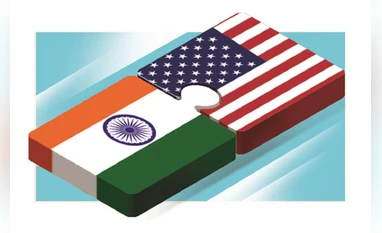
The India US trade deal is reshaping export opportunities for Tier 2 exporters across manufacturing, agriculture, and services. With revised market access, tariff adjustments, and compliance expectations, the agreement carries clear benefits and risks that smaller exporters must understand to compete effectively.
Why the India US Trade Deal Matters Right Now
The India US trade deal is time sensitive and policy driven, making it a news focused development rather than an evergreen framework. It comes at a moment when non metro exporters are being actively encouraged to expand beyond traditional markets. For Tier 2 exporters, the United States remains a high value destination but also one with strict standards and competitive pressure.
This deal signals a reset in trade engagement. It focuses on reducing friction in select sectors, improving customs cooperation, and creating predictability for exporters. While large corporations often move first, the real impact will be felt by medium sized manufacturers and regional exporters who now have clearer pathways to scale.
For exporters operating from cities like Coimbatore, Ludhiana, Surat, Indore, and Nagpur, the agreement changes cost structures and market access assumptions almost immediately.
Key Benefits for Tier Two Exporters
One of the most direct benefits of the India US trade deal is improved tariff clarity in specific product categories. Reduced or rationalised duties help Tier 2 exporters price products more competitively without eroding margins. This is especially relevant for labour intensive sectors where cost sensitivity is high.
Another benefit is smoother customs and documentation processes. The agreement places emphasis on faster clearance and fewer procedural delays, which matters for exporters dealing with perishable goods or time bound shipments.
The deal also strengthens trust signals. US buyers often hesitate to onboard smaller Indian exporters due to perceived compliance risk. A formal trade framework reduces that friction and encourages longer term contracts rather than spot orders.
Sector Winners Emerging from the Agreement
Several sectors stand out as early winners. Textiles and apparel exporters from Tier 2 hubs gain from improved access and stable demand cycles. Units producing home textiles, ready made garments, and specialty fabrics are particularly well positioned.
Engineering goods and auto components are another strong segment. Tier 2 clusters supplying precision parts, tools, and assemblies benefit from demand linked to US manufacturing and infrastructure upgrades.
Agro based exports also see upside. Processed foods, spices, specialty grains, and value added agricultural products gain from clearer phytosanitary protocols and demand for diversified sourcing.
In services, IT enabled services and niche digital exports from smaller cities gain indirectly as the deal improves overall business confidence and cross border collaboration.
Risks and Compliance Challenges to Watch
Despite the positives, the India US trade deal brings compliance challenges that Tier 2 exporters cannot ignore. Quality standards, traceability requirements, and documentation accuracy will be under greater scrutiny. Exporters with weak internal processes may face shipment rejections or penalties.
Another risk lies in over dependence. The US market is attractive but volatile. Currency fluctuations, demand shifts, and policy changes can impact margins quickly. Tier 2 exporters should avoid diverting all capacity toward a single destination.
Competition is another factor. Easier access also means more Indian exporters targeting the same buyers. Without differentiation through quality, reliability, or branding, price wars can erode gains.
How Tier Two Exporters Should Prepare
Preparation is operational, not theoretical. Exporters should begin by auditing compliance readiness. This includes product certifications, packaging norms, labelling accuracy, and supplier documentation.
Investing in process discipline matters. Digital invoicing, shipment tracking, and quality checks reduce error rates and build buyer confidence. Exporters should also reassess logistics partners to ensure reliability on longer routes.
Market intelligence is critical. Understanding US buyer expectations, seasonal demand patterns, and regulatory changes allows exporters to pitch strategically rather than reactively.
Finally, exporters should engage with export promotion councils and industry bodies to stay updated on implementation details and sector specific advisories.
What This Means for Regional Export Growth
The India US trade deal reinforces a broader shift toward decentralised export growth. Tier 2 cities are no longer peripheral players. They are cost competitive, capacity rich, and increasingly policy supported.
If executed well, this deal can help regional exporters move up the value chain. Instead of commodity driven exports, there is scope for branding, private label manufacturing, and long term supply partnerships.
However, success will depend on execution speed and compliance discipline. The opportunity window is open, but it will not remain static.
Takeaways
The India US trade deal improves market access for Tier 2 exporters
Textiles, engineering goods, and agro exports emerge as key winners
Compliance and quality standards will be strictly enforced
Preparation and diversification are essential to sustain gains
FAQs
Is the India US trade deal beneficial for small exporters
Yes, but only if they meet compliance requirements and price competitively.
Which Tier 2 sectors gain the most from this deal
Textiles, auto components, engineering goods, processed foods, and select services.
What is the biggest risk for Tier 2 exporters
Non compliance with US standards and over reliance on a single export market.
How quickly can exporters see benefits
Exporters with ready capacity and compliance systems can benefit within one to two trade cycles.












Leave a comment