

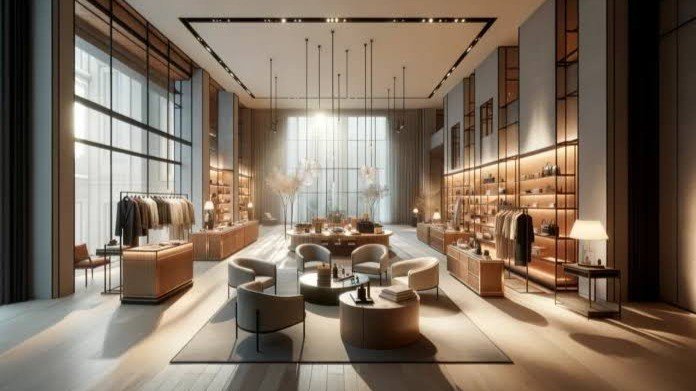
In recent years, a new trend has emerged in the fashion and lifestyle world: “quiet luxury.” Moving away from flashy logos and overt displays of wealth, this approach emphasizes understated elegance, quality craftsmanship, and timeless style. In India, especially among Tier 1 and Tier 2 cities’ urban elite, quiet luxury is increasingly shaping consumption patterns, reflecting a shift in how affluence and sophistication are expressed.
What Quiet Luxury Really Means
Quiet luxury is less about brand names and more about quality, material, and design. It prioritizes clothing, accessories, and lifestyle products that are refined, well-made, and subtle. Instead of large logos or flashy elements, items convey status through discreet markers like unique cuts, high-quality fabrics, and expert tailoring. In India, this trend is catching on among professionals and entrepreneurs who prefer a polished yet understated image.
The Appeal Behind the Trend
One of the main reasons for quiet luxury’s popularity is its alignment with modern sensibilities. Urban Indians are increasingly valuing discretion and authenticity over ostentatious displays of wealth. The pandemic and changing social attitudes have encouraged a focus on meaningful purchases that reflect personal taste rather than social pressure. Quiet luxury also resonates with younger consumers who view subtlety as a sign of confidence and discernment rather than extravagance.
Impact on Indian Markets
The rise of quiet luxury is influencing both international and homegrown brands in India. Retailers are offering premium lines that emphasize minimalism and durability, while luxury boutiques curate collections that highlight craftsmanship over branding. Tier 2 city consumers, in particular, are embracing accessible luxury products that deliver quality without overt branding. This trend is shifting the market from conspicuous consumption to a more thoughtful, value-driven approach.
Lifestyle Beyond Fashion
Quiet luxury extends beyond clothing and accessories. Interior design, automobiles, and even travel choices reflect the same ethos: understated elegance, superior quality, and long-term value. For instance, home décor in urban Indian households now favors neutral palettes, natural materials, and functional design, mirroring the same philosophy seen in fashion. This approach is increasingly influencing how affluent Indians present themselves and their lifestyles.
Looking Ahead
As India’s middle and upper-middle class continues to expand, quiet luxury is expected to grow further, blending international trends with local sensibilities. Consumers are becoming more conscious of their choices, preferring products that communicate refinement subtly rather than loudly. For brands and retailers, this presents an opportunity to focus on authenticity, quality, and long-term value, redefining what it means to be truly luxurious in 2025.










Leave a comment