

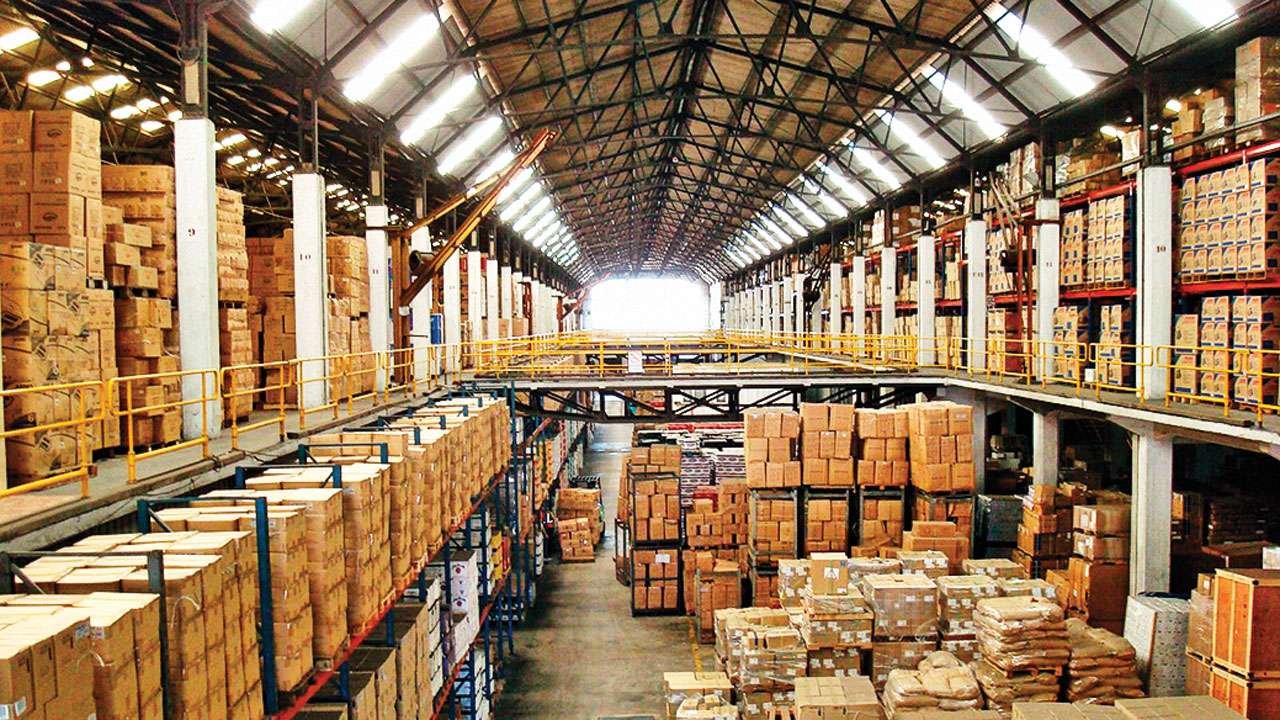
Tier 2 cities emerge as warehousing and logistics hubs as businesses shift investment beyond traditional metro locations. The main keyword appears naturally here while setting up the current industry trend driven by infrastructure expansion, lower land costs and rising regional consumption.
Tier 2 cities are recording a decisive rise in warehousing and logistics activity as companies diversify beyond metros to cut operating costs, expand distribution speed and tap fast growing regional markets. This shift is no longer exploratory. It is becoming a structural realignment in India’s supply chain network.
Infrastructure growth is accelerating the logistics pivot
Warehousing demand in emerging logistics corridors
Improved highways, upgraded freight corridors and expanding industrial belts are reshaping how companies plan their storage and distribution networks. With the completion of large parts of the Delhi Mumbai Industrial Corridor and similar national logistics routes, cities that previously acted as secondary nodes are now strategically central.
Indore, Nagpur, Coimbatore, Lucknow, Guwahati and Jaipur are among the cities witnessing steady uptake in Grade A warehousing space. Developers are responding with planned logistics parks designed for e commerce, FMCG and manufacturing sectors. Land acquisition is faster, environmental clearances face fewer bottlenecks and large contiguous parcels are available at competitive rates.
For occupiers, this allows modern racking systems, automated sorting zones and flexible expansion possibilities that are often difficult to secure in saturated metro regions.
Cost efficiency is pushing companies beyond metros
Lower rentals and larger land parcels
The cost differential between metro and non metro warehousing remains a primary driver. Logistics operators typically secure 30 to 50 percent lower rentals in Tier 2 cities while also gaining significantly larger footprints. This enables more efficient storage layouts and smooth internal vehicular movement.
Transport costs are also optimised. Many Tier 2 cities sit at natural junctions of national highways, offering shorter truck turnaround times and multiple routing options for inter state distribution. With diesel prices affecting margins, companies view these savings as long term advantages rather than temporary benefits.
Additionally, availability of skilled and semi skilled labour at stable wage levels allows 24 by 7 operations. For businesses aiming to serve regional markets within compressed delivery windows, this workforce balance is critical.
Rising consumption is creating sustained demand
E commerce expansion and regional retail growth
Consumer demand in Tier 2 and Tier 3 markets has risen sharply over the last five years. E commerce platforms now treat these cities as priority service zones where delivery speed directly influences customer retention.
As more households shift to online shopping for essentials, lifestyle goods, electronics and regional products, the need for closer and faster fulfilment grows. Large e commerce players are already building micro fulfilment centres closer to high demand clusters to reduce last mile costs and ensure same day or next day deliveries.
Retail chains and FMCG companies are also expanding distribution capacity to shorten supply cycles. Food processing, automotive spares, apparel and pharmaceuticals are anchoring new warehouses in non metro clusters to reduce dependency on metro hubs.
Impact on real estate and investment flows
Grade A park development and institutional interest
Developers are buying land on the outskirts of Tier 2 cities to create integrated logistics parks that meet compliance standards required by multinational tenants. These projects typically offer strong utilities, security, wider internal roads, engineered flooring and technology enablement.
Institutional investors are increasingly entering this segment because warehousing yields remain stable and demand is consistent across cycles. Global funds and domestic infrastructure platforms are partnering with developers to create large portfolios across emerging corridors.
This trend is encouraging state governments to strengthen single window systems, accelerate approvals and invest in link roads connecting industrial belts with major highways. As these interventions expand, more cities are expected to rise in the national logistics hierarchy.
What it means for the supply chain of the future
A more distributed and resilient logistics network
India’s warehousing ecosystem is moving toward a distributed model where multiple mid sized nodes support a few large central hubs. This reduces operational risks, improves resilience during disruptions and delivers faster service to high growth regional markets.
Tier 2 cities are well positioned to anchor this shift as companies seek scalable locations that combine cost efficiency with strategic access. Over the next decade, these cities are likely to absorb a larger share of warehouse leasing, turning them into long term growth engines for the logistics sector.
Takeaways
Tier 2 cities are becoming preferred warehousing hubs due to infrastructure upgrades and lower operating costs.
Rising consumption in non metro markets is pushing businesses to position inventory closer to demand centres.
Developers and investors are expanding Grade A logistics parks to meet modern supply chain needs.
India’s logistics network is shifting to a distributed model that improves efficiency and resilience.
FAQs
Why are companies shifting warehouses to Tier 2 cities?
Because these locations offer lower rentals, larger land parcels, shorter transport routes and growing consumer demand that supports faster distribution.
Which industries are driving warehousing growth in smaller cities?
E commerce, FMCG, pharmaceuticals, automotive components, food processing and organized retail are leading the current expansion.
How does infrastructure development influence site selection?
Cities connected to national highways, freight corridors and industrial parks provide better mobility, reduced truck downtime and reliable access to suppliers and customers.
Are investors showing interest in non metro logistics real estate?
Yes. Institutional investors are actively partnering with developers due to stable demand, predictable yields and long term growth potential.












Leave a comment