

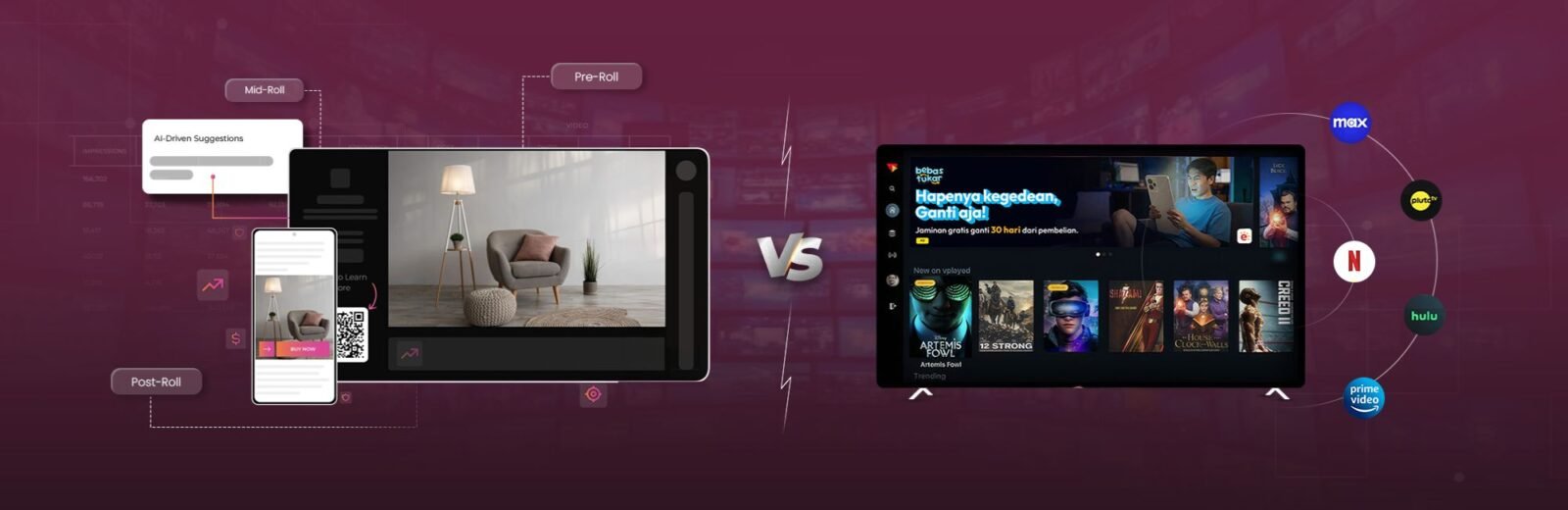
TV vs OTT in small cities has become a defining shift in India’s media consumption landscape in 2026, with audiences increasingly balancing traditional television and digital streaming. Viewers in cities like Nagpur, Kanpur, and Indore are driving this transition.
TV vs OTT in small cities is no longer a simple replacement story. Instead, it reflects a coexistence where both platforms serve different needs. While OTT platforms are gaining ground among younger audiences, television continues to hold strong in households across Tier-2 and Tier-3 regions.
Growth of OTT Platforms in Tier-2 India
OTT adoption in small cities has accelerated due to affordable data and widespread smartphone usage. Platforms like Netflix, Amazon Prime Video, and Disney+ Hotstar have expanded their reach beyond metro audiences.
In cities such as Nagpur and Indore, young viewers prefer OTT for its flexibility and variety. Content can be watched anytime without fixed schedules, making it convenient for students and working professionals.
OTT platforms also offer a broader mix of genres, including international shows, regional content, and niche storytelling. This variety appeals to viewers looking for alternatives to traditional programming.
Television’s Continued Dominance in Household Viewing
Despite OTT growth, television remains a primary source of entertainment in small cities. Cable and DTH connections are still widely used, especially among family audiences.
TV content such as daily soaps, news channels, and reality shows continues to attract large viewership. In cities like Kanpur, television is often the default medium for family viewing, especially in households with limited digital access.
Live events, including sports and national broadcasts, also keep television relevant. The familiarity and ease of use make it accessible for all age groups, particularly older viewers.
Changing Viewing Habits Among Younger Audiences
The shift toward OTT is most visible among younger audiences in Tier-2 cities. They prefer on-demand content that aligns with their schedules and interests.
Mobile-first consumption is a key factor. Many viewers watch shows on smartphones rather than televisions, especially in urban and semi-urban areas.
Shorter content formats, web series, and digital-first releases are gaining popularity. This trend reflects changing attention spans and the need for quick, engaging content.
However, younger viewers still engage with television for specific content, particularly live sports or major events.
Language and Content Preferences Driving Choice
Content preference plays a major role in the TV vs OTT debate. OTT platforms are investing heavily in regional and multilingual content, making them more appealing to diverse audiences.
Hindi and regional language shows dominate viewership in small cities. OTT platforms are offering dubbed and subtitled content, allowing viewers to access global shows in familiar languages.
Television, on the other hand, continues to focus on mass-appeal programming. Its strength lies in consistency and familiarity rather than experimentation.
This difference in content strategy allows both platforms to coexist without directly replacing each other.
Cost and Accessibility Factors in Small Cities
Cost remains an important factor influencing viewer choice. Television subscriptions are generally affordable and offer multiple channels at a fixed price.
OTT subscriptions, while relatively low-cost, may require multiple platform subscriptions to access diverse content. This can increase overall spending for users.
Internet connectivity also affects OTT usage. While urban areas have good coverage, some smaller towns still face network limitations, making television a more reliable option.
Shared viewing is another factor. Television allows group consumption, while OTT is often more individual-focused.
What the Future Looks Like for TV and OTT
The future of TV vs OTT in small cities is likely to be hybrid rather than competitive. Both platforms are expected to evolve and adapt to changing viewer preferences.
Television networks are already integrating digital platforms, offering catch-up services and mobile apps. OTT platforms are expanding into live content and sports streaming.
As infrastructure improves and digital literacy increases, OTT adoption will continue to grow. However, television’s reach and accessibility ensure it will remain relevant.
For content creators and advertisers, understanding this dual ecosystem is essential. Small cities represent a growing market where both TV and OTT play significant roles.
Takeaways
- TV vs OTT in small cities reflects a coexistence rather than replacement
- OTT is growing तेजी among younger and mobile-first audiences
- Television remains dominant for family viewing and live content
- Cost, accessibility, and content preference influence viewer choice
FAQ
Is OTT replacing television in small cities?
No, OTT is growing but television remains widely used, especially for family and live viewing.
Why do younger audiences prefer OTT platforms?
They offer flexible, on-demand content and a wider variety of shows across genres and languages.
Is television still relevant in 2026?
Yes, television continues to have strong viewership, particularly in Tier-2 and Tier-3 cities.
What factors influence platform choice in small cities?
Cost, internet access, content preference, and viewing habits all play important roles.












Leave a comment