

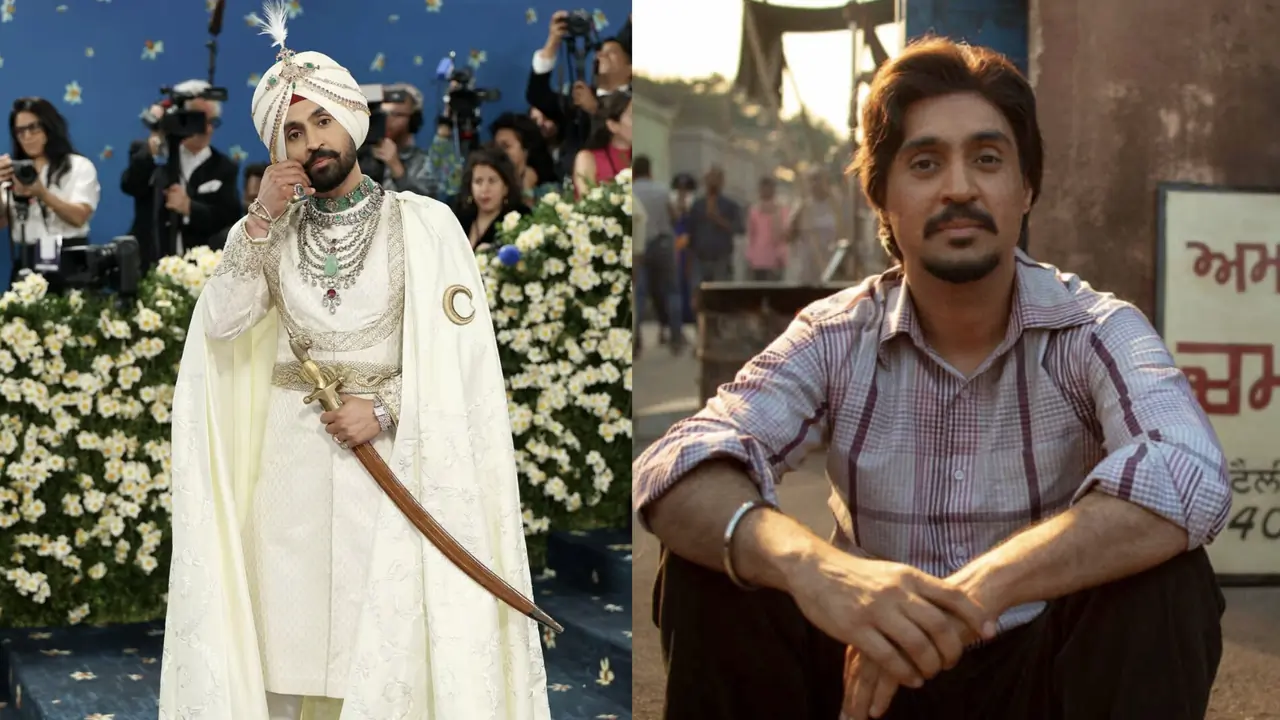
The loss of Amar Singh Chamkila at the 53rd Emmys has triggered debate among Indian creators about global competitiveness, narrative positioning and the strategic choices needed to win international recognition. The outcome offers insight into how Indian content is perceived and what must evolve for future awards.
The summary
Chamkila’s defeat highlights both India’s growing presence on the global stage and the gaps that still separate local storytelling from award winning international formats. For creators, the takeaway is not setback but recalibration: stronger global writing, sharper positioning and better cultural translation.
Why the Chamkila loss matters for India’s global content strategy
Amar Singh Chamkila entered the Emmys with strong momentum thanks to its biographical depth and cultural resonance. Its loss is significant because India is now consistently submitting high quality contenders that reach nomination stages but often fall short in final rounds. This indicates that Indian stories are visible but not yet fully optimised for global juries who evaluate structure, pacing, narrative clarity and thematic universality differently. For Indian content makers aiming abroad, this moment stresses the need to tighten narrative craft without diluting cultural authenticity. It also signals that the competition pool is widening as more countries invest in premium storytelling.
What global juries look for and where Indian entries fall behind
Award juries prioritise layered writing, narrative economy and clear emotional arcs that resonate regardless of cultural background. Indian creators excel in musicality, emotional depth and performance driven storytelling, but global formats demand a sharper focus on script discipline and structural precision. Biographical titles like Chamkila carry strong local weight but may lose edge if they rely heavily on cultural context that international viewers cannot easily decode. Juries also emphasise innovation in craft, from cinematography to editing. If competing entries deliver higher technical consistency, Indian titles can appear uneven despite strong performances. This gap is not about quality absence but quality calibration.
How the loss influences creator mindset in India’s OTT ecosystem
For Indian OTT creators, major award cycles shape investment decisions, writing choices and collaboration strategies. Chamkila’s outcome pushes creators to examine whether their projects aim primarily for domestic impact or hybrid global relevance. Writers may lean more toward scripts that balance authenticity with universal accessibility. Directors may adopt tighter narrative rhythms and reduce reliance on expository cultural detail. Producers, meanwhile, may increase co development with international partners to understand jury expectations earlier in the writing pipeline. Far from discouraging creators, such moments often push the ecosystem toward higher international discipline.
Implications for India’s reputation among global streamers
Global streamers increasingly view India as a major growth market, but awards influence how they position regional titles in global catalogs. While a loss does not reduce investment appetite, it affects how aggressively titles are promoted abroad. Streamers look for international award traction to strengthen cross market visibility. Chamkila reaching nomination levels still reinforces India’s rising creative equity, but not winning suggests India must push beyond strong local storytelling into globally competitive structuring. Streamers may now invest more in writer rooms, showrunner training and international script consultants to enhance future prospects.
Why storytellers should study competitors and emerging formats
A critical learning from awards cycles is studying what wins globally. Countries like South Korea, Spain, Israel and the UK consistently secure awards by combining cultural specificity with global storytelling precision. Their creators adopt tight episode structures, multi dimensional character arcs and polished production grammar. Indian content makers can benefit from analysing these patterns not to imitate but to refine what already works in Indian storytelling. Chamkila’s loss becomes a reference point for understanding how musical biopics and performance led dramas must evolve to connect with wider audiences without losing soul.
The cultural translation gap and how India can bridge it
Indian stories often rely on layered cultural cues, linguistic nuance and socio political context. While this richness is a strength, it must be translated effectively for global consumption. Cultural translation does not mean simplification but strategic framing. When narrative beats are too tied to local reference points, juries may struggle to evaluate impact. Indian creators can bridge this gap by investing in narrative scaffolding that guides global audiences through emotional stakes without over explaining. This balance is where many award winning international titles succeed.
Takeaways
- Chamkila’s Emmy loss highlights a storytelling calibration gap, not a quality deficit, for Indian creators targeting global recognition.
- Juries prioritise narrative precision and universality, areas where Indian entries can gain advantage with tighter writing.
- OTT ecosystems will push toward international collaboration, enhancing India’s competitive position in future awards.
- Cultural authenticity must be paired with global accessibility, ensuring stories travel without losing identity.
FAQs
Q: Does the loss indicate declining quality in Indian content?
No. It reflects competition intensity and the need for stronger global narrative alignment rather than a drop in creative strength.
Q: What can creators learn from the outcome?
They can focus on tighter scripting, refined pacing and universal emotional framing while maintaining cultural depth.
Q: Will this affect how streamers invest in Indian projects?
Investment will remain strong, but streamers may push for more international storytelling benchmarks.
Q: Can Indian titles win future Emmys with current strategies?
Yes, but they must enhance structural precision, integrate global writing practices and elevate technical consistency.












Leave a comment