

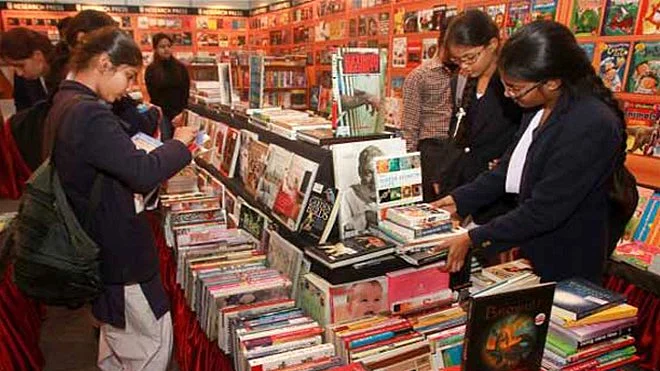
Book Fair culture in India is seeing a clear revival, and the Delhi World Book Fair has become a major symbol of this shift. Youth attendance is spiking as reading intersects with identity, affordability, social media and a renewed interest in offline cultural experiences.
The rise is not accidental. It reflects changing priorities among students, young professionals and first-time readers who are rediscovering physical books in a digital-heavy environment.
Book Fair Culture Meets a New Generation of Readers
The Delhi World Book Fair has traditionally attracted academics, publishers and serious readers. What has changed in recent years is the visible surge of young visitors aged between late teens and early thirties. For this group, book fair culture is no longer niche or academic. It is social, expressive and aspirational.
Young attendees are not just browsing textbooks. They are lining up for fiction, graphic novels, poetry, self-help, regional literature and translated works. The fair offers exposure that online platforms struggle to replicate. Readers can flip through books, discover unknown authors and make impulse purchases without algorithmic influence.
For many first-time visitors, the fair also represents entry into a larger reading community. The physical presence of thousands of readers validates reading as a mainstream lifestyle choice rather than a solitary habit.
Affordability and Access Driving Youth Attendance
One major reason behind rising youth footfall is affordability. The Delhi World Book Fair offers books at prices significantly lower than standard retail. Students and early-career professionals, often budget-conscious, find this appealing.
Bulk discounts, publisher stalls and end-of-day offers allow young readers to build personal libraries at low cost. Academic books, exam guides and competitive exam material also draw college students preparing for career transitions.
Access matters as well. Many young visitors come from outside Delhi or from areas with limited quality bookstores. The fair concentrates global and Indian publishing in one space, making it a rare access point for diverse reading material.
Influence of Social Media on Book Fair Popularity
Social media plays a decisive role in the renewed popularity of book fairs. Platforms like Instagram and YouTube have created a visible reading culture through book reels, reading vlogs and aesthetic bookshelf content. Visiting the Delhi World Book Fair has become shareable and culturally relevant.
Young attendees often plan visits based on trending recommendations. They attend author talks, panel discussions and book launches not only to listen but to document the experience. This turns the fair into a cultural event rather than a transactional book-buying trip.
Peer influence also matters. When reading is seen as aspirational online, offline participation increases. The fair benefits from this digital amplification without needing aggressive promotion.
Shift From Screen Fatigue to Offline Experiences
Another key factor is growing screen fatigue among youth. Constant exposure to phones, laptops and online content has led many young people to seek offline engagement. Book fair culture offers a slower, tactile experience that contrasts with digital overload.
Walking through stalls, touching books and engaging in face-to-face conversations creates a sense of presence that online shopping lacks. For many, the fair becomes a mental break rather than a task.
This shift aligns with a broader lifestyle trend where young people prioritise experiences over convenience. The book fair fits neatly into this mindset as an affordable, enriching and socially acceptable outing.
Role of Regional and Independent Publishing
Youth interest is also driven by increased visibility of regional and independent publishers. The Delhi World Book Fair showcases books in multiple Indian languages alongside English titles. This appeals to young readers seeking cultural connection and authenticity.
Regional fiction, poetry and non-fiction are finding new audiences among bilingual and multilingual youth. Independent publishers offer experimental formats, niche topics and voices that mainstream platforms often overlook.
This diversity strengthens book fair culture by making it inclusive rather than elitist. Young readers feel represented and curious, which encourages repeat visits.
Book Fairs as Networking and Learning Spaces
Beyond reading, the fair functions as a learning and networking hub. Students aspiring to careers in writing, publishing, journalism or academia attend workshops and panel discussions. These sessions provide real-world exposure that formal education often lacks.
Interaction with authors and publishers demystifies the publishing process. For many young visitors, the fair sparks long-term ambitions rather than one-time purchases.
This functional value increases perceived importance of the event. It is no longer just about books but about opportunity and inspiration.
Cultural Significance in a Changing Reading Landscape
The spike in youth attendance signals a deeper cultural shift. Despite digital dominance, reading has not declined. It has evolved. Young readers want community, discovery and meaning alongside content.
The Delhi World Book Fair succeeds because it adapts to this evolution. It offers affordability, diversity, experience and identity all in one space. Book fair culture today is less about consumption and more about participation.
As long as the fair continues to reflect youth interests and accessibility, attendance is likely to remain strong and possibly grow further.
Takeaways
Youth attendance at the Delhi World Book Fair is rising due to affordability and access
Social media has transformed book fair culture into a shareable lifestyle experience
Screen fatigue is pushing young readers toward offline, tactile reading spaces
Regional and independent publishers are expanding youth interest and representation
FAQs
Why are young people visiting the Delhi World Book Fair more than before?
Affordable books, social media influence, diverse publishing and a desire for offline experiences are driving higher youth turnout.
Is the book fair only for serious readers or academics?
No. The fair attracts casual readers, students, first-time buyers and cultural explorers alongside traditional readers.
How does the book fair differ from buying books online?
It offers physical browsing, discovery of new authors, direct interaction and discounted pricing in one place.
Does the fair support regional language readers?
Yes. It features a wide range of Indian language publishers and translated works that appeal to multilingual youth.







Leave a comment