

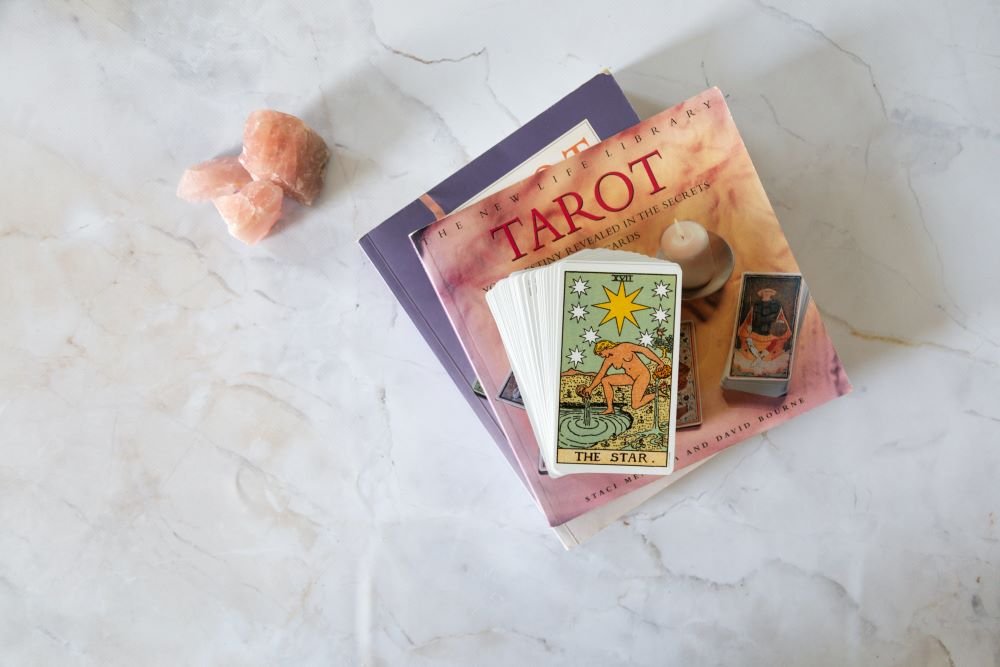
Horoscope vs tarot wellness content has become a daily reading habit for Gen Z, blending self-reflection with emotional reassurance. Young readers are not seeking predictions alone. They are using astrology and tarot as tools for mental clarity, mood tracking and decision framing in a fast-moving world.
This shift reflects how wellness content has evolved from fitness and diet into emotional and psychological spaces that feel personal and accessible.
Why Horoscope Content Still Dominates Daily Wellness Reads
Horoscope reading remains the most widely consumed spiritual wellness content among Gen Z. Its appeal lies in familiarity, speed and structure. Zodiac signs offer an easy identity framework that young readers already understand. Daily horoscopes fit naturally into morning routines alongside social media scrolling.
For many Gen Z readers, horoscopes act as emotional temperature checks. Short predictions about mood, relationships or focus help them mentally prepare for the day. This is especially relevant for students and early-career professionals dealing with uncertainty and pressure.
Horoscope content is also non-invasive. It does not demand deep emotional engagement. Readers can consume it passively and move on. This low-effort reassurance explains why horoscope apps, reels and daily posts continue to perform strongly across platforms.
Tarot’s Rise as a Reflective Wellness Tool
Tarot reading has gained momentum among Gen Z as a deeper form of wellness content. Unlike horoscopes, tarot focuses less on fixed identity and more on interpretation. Cards prompt reflection rather than prediction. This aligns with Gen Z’s preference for self-awareness and emotional vocabulary.
Tarot content often addresses themes like boundaries, burnout, self-worth and healing. These topics resonate with a generation that openly discusses mental health. A single tarot pull encourages readers to pause and think rather than react.
Another reason tarot appeals to Gen Z is its adaptability. Tarot readings can be personalised without strict belief systems. Many readers treat cards as journaling prompts or therapy-adjacent tools rather than mystical instruments.
Social Media’s Role in Shaping Reading Preferences
Social platforms play a critical role in how Gen Z consumes horoscope vs tarot wellness content. Horoscope posts are quick, visually clean and highly shareable. They perform well in stories and reels where attention spans are short.
Tarot content, on the other hand, thrives in longer formats. Carousel posts, videos and live sessions allow creators to explain card meanings and emotional context. This builds parasocial trust between readers and creators.
Creators often blend both formats. A horoscope might set the tone for the week, while tarot dives into emotional blocks or decision paths. This layered consumption shows that Gen Z does not treat horoscope and tarot as opposing choices but as complementary tools.
Wellness Framing Over Spiritual Belief
A key trend is how Gen Z frames horoscope and tarot content as wellness rather than spirituality. Many readers do not identify as religious or deeply spiritual. They approach these practices as mental health aids or reflective exercises.
Language has shifted accordingly. Instead of fate or destiny, content focuses on energy, mindset and emotional alignment. This makes horoscope vs tarot wellness content feel safe and non-judgmental.
This framing reduces stigma. Reading tarot no longer signals superstition. It signals self-care. Similarly, horoscopes are consumed as mood guidance rather than absolute truth.
Gender and Community Influence on Reading Choices
Wellness content consumption patterns vary within Gen Z communities. Young women are more likely to engage with tarot-based wellness content, particularly around emotional healing and relationships. Horoscope content has broader gender-neutral appeal due to its brevity and predictability.
Community spaces also matter. College groups, online fandoms and creative circles often normalise tarot discussions. Horoscope sharing is more common in casual group chats and daily conversations.
These patterns show that content choice is influenced as much by social environment as by personal belief.
Credibility, Skepticism and Emotional Utility
Gen Z is often described as skeptical, and that applies here too. Most readers do not take horoscope or tarot content literally. Instead, they judge it by emotional usefulness. If a reading helps them reflect, calm down or reframe a problem, it holds value.
Creators who avoid fear-based messaging gain more trust. Gen Z prefers gentle, supportive tones over dramatic predictions. This preference shapes which horoscope and tarot formats succeed.
The emphasis is on agency. Readers want tools that empower decision-making, not dictate outcomes.
What This Trend Says About Gen Z Wellness Culture
The popularity of horoscope vs tarot wellness content highlights a broader truth. Gen Z seeks meaning without rigidity. They want guidance without control. Both horoscopes and tarot provide structure while leaving room for interpretation.
Rather than replacing therapy or rational decision-making, these practices coexist with them. They offer emotional language and pause points in otherwise fast-paced lives.
This explains why both formats continue to grow, not compete. Each serves a different emotional need within the same wellness ecosystem.
Takeaways
Horoscope content remains popular for quick, low-effort emotional check-ins
Tarot appeals to Gen Z as a reflective and mental wellness tool
Social media formats shape how astrology and tarot are consumed
Gen Z values emotional utility over literal belief in predictions
FAQs
Do Gen Z readers believe horoscopes and tarot are accurate?
Most treat them as reflective tools rather than factual predictions, valuing emotional insight over accuracy.
Why is tarot becoming popular among younger audiences?
Tarot aligns with mental health conversations and encourages self-reflection without rigid belief systems.
Is horoscope reading declining among Gen Z?
No. Horoscopes remain widely consumed, especially for daily guidance and routine engagement.
How do wellness creators balance horoscope and tarot content?
Many combine both, using horoscopes for general themes and tarot for deeper emotional exploration.










Leave a comment