

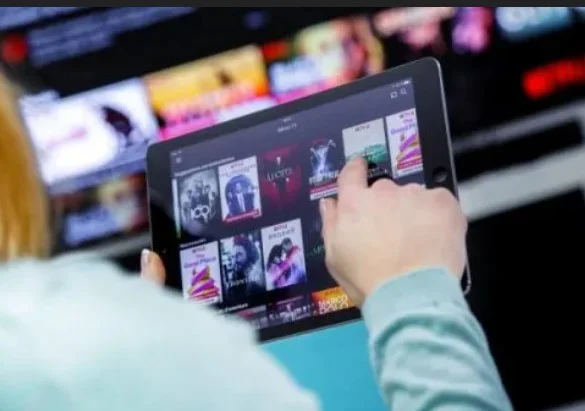
The Indi-Series boom is revolutionizing Indian digital entertainment as streaming giants pivot from Mumbai-centric glitz to raw, authentic narratives set in cities like Lucknow, Indore, and Jaipur. This shift reflects a strategic move to capture the massive viewership within Tier 2 and Tier 3 cities, where audiences crave representation of their own cultural and geographical realities. By moving beyond the metropolitan bubble, OTT platforms are unlocking new demographics and driving a 45 percent increase in regional subscriber growth as of early 2026.
The Strategic Pivot Toward Cultural Proximity
The primary driver behind the Indi-Series boom is the concept of cultural proximity, where viewers are more likely to engage with content that reflects their own dialect, social struggles, and local landmarks. For years, Indian streaming was dominated by elite South Bombay narratives that often felt alien to the average viewer in Uttar Pradesh or Madhya Pradesh. Platforms like Amazon Prime, Netflix, and JioCinema have recognized that the next 100 million subscribers live in the heartland. By setting high-stakes dramas in the narrow lanes of Lucknow or the coaching hubs of Kota, these giants are creating an immediate emotional bond with a younger, more diverse audience that values relatability over aspiration.
Economic Incentives of Filming in Tier 2 Cities
Beyond creative storytelling, there is a significant financial logic to ditching Mumbai for regional settings. The cost of production in Mumbai has skyrocketed due to inflated studio rentals, high labor union fees, and complex permitting processes. In contrast, cities like Indore and Jaipur offer lower overheads and eager local administrations. Many state governments have introduced lucrative film subsidies and single-window clearances to encourage production houses to shoot locally. This allows showrunners to allocate more of their budget toward high-quality post-production and marketing, ensuring that a series set in a small town still meets global technical standards.
Modern Aspirations of the Heartland Youth
The current wave of Indi-Series content is not just about rural tradition but about the modern aspirations of Gen Z and millennials in non-metro India. Today’s youth in Jaipur or Indore are tech-savvy, ambitious, and globally connected, yet they face unique localized challenges. Whether it is a startup success story based in the Silicon Plateau of Central India or a political thriller navigating the complex caste dynamics of the North, these shows provide a platform for stories that were previously ignored by mainstream Bollywood. This transition has turned the heartland from a mere backdrop into a living, breathing character that drives the plot forward.
Impact on Local Talent and Infrastructure
The shift in production location has led to the democratization of the Indian entertainment industry. As streaming giants set up shop in Tier 2 cities, they are discovering a wealth of local talent, including actors, writers, and technicians who no longer feel the need to migrate to Mumbai to find success. This has sparked the growth of local film hubs and acting schools in cities like Bhopal and Ranchi. Furthermore, the influx of professional film crews provides a seasonal boost to local economies, benefiting everything from the hospitality sector to specialized equipment rentals. The Indi-Series movement is effectively decentralizing creative power across the subcontinent.
Future Outlook for Regional Digital Narratives
As we move further into 2026, the Indi-Series trend is expected to evolve into hyper-local micro-dramas and niche genre experiments. Streaming platforms are already testing AI-driven dubbing and localizing subtitles into 22 Indian languages to ensure that a story set in Lucknow can be enjoyed just as easily in rural Kerala or West Bengal. The success of this movement proves that the future of Indian content is not found in the skyscrapers of Mumbai but in the vibrant, untapped narratives of the Indian hinterland. This evolution ensures that the digital revolution in India remains inclusive, representative, and commercially sustainable for years to come.
Key Takeaways for the Indi-Series Shift
- Streaming platforms are prioritizing cultural proximity to engage the growing Tier 2 and Tier 3 subscriber base.
- Production costs are significantly lower in cities like Indore and Jaipur compared to the saturated Mumbai market.
- Heartland stories focus on the intersection of traditional values and the modern global ambitions of Indian youth.
- The movement is fostering local creative economies and decentralizing the Indian film and television industry.
Frequently Asked Questions
What defines an Indi-Series compared to traditional television? An Indi-Series is typically characterized by high production values, gritty realism, and a focus on localized storytelling that avoids the melodramatic tropes of traditional daily soaps, specifically targeting the digital-first audience.
Is this trend affecting the popularity of South Indian cinema? No, it actually complements it. The Indi-Series boom has encouraged a cross-pollination of talent where filmmakers from the South are now collaborating on Hindi-language heartland stories, and vice versa, creating a truly Pan-Indian content ecosystem.
Are these regional shows successful outside of India? Surprisingly, yes. International audiences on global platforms often find the specific cultural nuances and authentic settings of small-town India more compelling than generic urban stories, leading to a surge in global viewership for heartland thrillers.







Leave a comment