

Uttar Pradesh has approved changes to its Tourism Policy 2022, bringing smaller hotels with just six rooms into the budget hotel category. The move aims to support small hotel operators while expanding opportunities in homestays, farm tourism, traditional food businesses and cultural experiences across the state.
UP Cabinet Approves Changes to Tourism Policy 2022
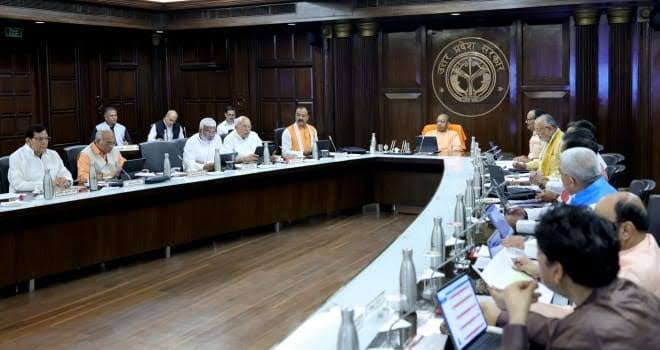
The Uttar Pradesh Cabinet, chaired by Chief Minister Yogi Adityanath, approved amendments to the state’s Tourism Policy 2022 on November 18, 2026. The decision is expected to widen participation in the tourism industry by allowing smaller accommodation businesses to access policy incentives that were previously available under more restrictive eligibility conditions.
One of the most significant changes is the reduction in the minimum room requirement for budget hotels from 10 rooms to six. Under the revised provision, hotels with six to 49 lettable rooms can qualify for the budget hotel category, provided every room has an attached bathroom.
The amendment is particularly relevant for small hotel owners who operate independent accommodation facilities in religious towns, historical destinations and emerging tourist locations. Such businesses often serve domestic travellers but may not have the financial capacity to expand into larger hotel establishments.
Six-Room Hotels Can Now Qualify for Tourism Incentives
The reduction in the minimum room requirement could bring more small accommodation businesses into the organised tourism sector. Earlier, hotel operators needed at least 10 rooms to qualify under the budget hotel category. The revised framework lowers this threshold to six rooms.
However, meeting the room requirement alone will not automatically make a property eligible for benefits. Hotel establishments must have commercial registration, GST registration and comply with applicable building regulations. Each room must also have an attached bathroom.
Eligible hotel operators will be able to apply for incentives available under the state’s tourism policy. These benefits are intended to encourage investment in tourism infrastructure and improve accommodation facilities.
For smaller entrepreneurs, the change could reduce the pressure to expand their properties simply to meet the earlier minimum room requirement. It may also encourage people with existing accommodation businesses to formalise their operations and explore opportunities in tourism.
Homestays and Bed-and-Breakfast Businesses Get Attention
The latest amendments also address homestays and bed-and-breakfast establishments operating in rural and urban areas.
Their provisions have been aligned with Uttar Pradesh’s Homestay and Bed & Breakfast Policy 2025, along with subsequent modifications. The revised framework provides for approval within one month and registration through the Uttar Pradesh Tourism Portal.
Registered homestays and bed-and-breakfast establishments will continue to receive certain benefits, including residential building status, domestic electricity and water charges, and marketing-related assistance from the Tourism Department.
This provision is important for homeowners who want to earn additional income by offering accommodation to visitors. Instead of investing in a large commercial hotel, eligible property owners can participate in tourism through smaller hospitality businesses.
Rural homestays could also create opportunities in villages located near pilgrimage destinations, nature-based attractions and heritage locations. Visitors increasingly look for accommodation that allows them to experience local food, traditions and everyday lifestyles.
Farm Tourism Could Create New Income Opportunities for Rural Communities
Another important focus of the amended policy is the promotion of farm tourism.
The revised framework recognises farm stays and agricultural experiences as opportunities to expand tourism beyond established destinations. Activities connected with dairy units, gaushalas, natural farming and organic agriculture can become part of the visitor experience.
For farmers, this approach could provide an additional source of income alongside traditional agricultural activities. Visitors may be interested in experiencing rural life, understanding farming practices, learning about local food production and spending time in agricultural surroundings.
Farm tourism could be particularly relevant in districts where agricultural activity is a major part of the local economy but conventional tourist infrastructure remains limited.
However, the success of such initiatives will depend on the availability of suitable facilities, visitor safety, accessibility, sanitation and effective promotion. Farmers interested in entering the tourism sector will also need to understand the applicable registration and operational requirements.
Traditional Food and Local Culture to Become Tourism Attractions
The amendments also aim to connect tourism with Uttar Pradesh’s regional food traditions, handicrafts and cultural heritage.
The policy introduces a category for Parampara Heritage Experience Centres, which will receive benefits under the cultural centre category. These centres are intended to familiarise visitors with the state’s traditional cuisine, local handicrafts, regional products and cultural stories.
Traditional eateries and culinary heritage will also receive attention through the identification and promotion of regional food businesses.
The government plans to encourage food trails and culinary festivals to popularise local cuisines. These initiatives are also expected to support the One District One Cuisine campaign.
For small food businesses, local restaurants and traditional food operators, this could create opportunities to reach visitors beyond their immediate neighbourhoods. Food tourism can also help promote regional specialities that are often overlooked in mainstream travel itineraries.
Such initiatives could benefit local artisans, food producers, restaurant owners and small entrepreneurs by connecting their businesses with the tourism economy.
New Tourism Circuits Could Benefit Smaller Destinations
The amended policy also includes the Neem Karoli Baba Circuit and Bundelkhand Fort Circuit.
The inclusion of these circuits reflects an effort to expand tourism opportunities across different parts of Uttar Pradesh rather than concentrating development around only the state’s most established destinations.
Bundelkhand, with its historical forts and cultural heritage, has considerable potential for heritage tourism. Similarly, pilgrimage-related travel connected with Neem Karoli Baba attracts visitors interested in spiritual experiences.
Developing these circuits could create demand for accommodation, restaurants, local transport, guides and other tourism-related services.
Smaller towns and surrounding communities may benefit if improved connectivity, visitor facilities and effective destination promotion accompany the policy changes.
The amendments also recognise the development of highway rest stops, including arrangements involving permissible sub-leasing of land owned by government bodies. Better rest facilities could improve travel convenience and create opportunities for businesses operating along important road routes.
What the Policy Changes Mean for Small Business Owners
The latest decision signals a broader approach to tourism development in Uttar Pradesh. Instead of focusing primarily on larger hotels and established tourism infrastructure, the state is attempting to include smaller businesses and locally operated services.
For entrepreneurs, the revised eligibility criteria could make participation in the tourism sector more accessible. Small hotel owners, homeowners, farmers, traditional food businesses and cultural entrepreneurs may find new opportunities under the expanded framework.
However, business owners should not assume that every establishment will automatically receive financial assistance. Eligibility conditions, registration requirements and the applicable incentive provisions will determine which benefits can be claimed.
Interested operators should check the latest government notifications and application guidelines through the Uttar Pradesh Tourism Department’s official portal before making investment decisions.
The actual impact will also depend on how effectively the amendments are implemented and how quickly eligible businesses can access the available support.
Key Takeaways
- Uttar Pradesh has reduced the minimum room requirement for budget hotels from 10 rooms to six.
- Hotels with six to 49 rooms must have attached bathrooms, commercial registration, GST registration and comply with building regulations.
- Homestays and bed-and-breakfast establishments will receive a streamlined approval framework, with approval envisaged within one month.
- Farm tourism, traditional food businesses, cultural centres and new tourism circuits are also part of the expanded policy framework.
Frequently Asked Questions (FAQs)
1. What has changed in the Uttar Pradesh Tourism Policy 2022?
The Uttar Pradesh Cabinet has approved amendments that reduce the minimum room requirement for eligible budget hotels from 10 to six. The changes also expand the policy’s focus to homestays, farm tourism, cultural centres and regional food experiences.
2. Can a six-room hotel apply for tourism policy benefits in Uttar Pradesh?
Yes. Hotels with six to 49 lettable rooms can qualify for the budget hotel category if every room has an attached bathroom. They must also meet commercial registration, GST registration and applicable building requirements.
3. What benefits are available to registered homestays in Uttar Pradesh?
Registered homestays and bed-and-breakfast establishments will continue to receive residential building status, domestic electricity and water charges, and marketing-related assistance from the Tourism Department, subject to applicable policy provisions.
4. How can small hotel owners check eligibility for tourism incentives?
Hotel owners can consult the Uttar Pradesh Tourism Department’s official portal for registration procedures, government notifications and applicable incentive guidelines. They should verify the latest eligibility conditions before applying.
(Internal keywords: Uttar Pradesh Tourism Policy 2022, UP tourism policy amendments 2026, six-room hotels in UP, budget hotel incentives Uttar Pradesh, UP homestay policy 2025, small hotel business in India, farm tourism Uttar Pradesh, rural tourism India, Uttar Pradesh tourism development)







Leave a comment