

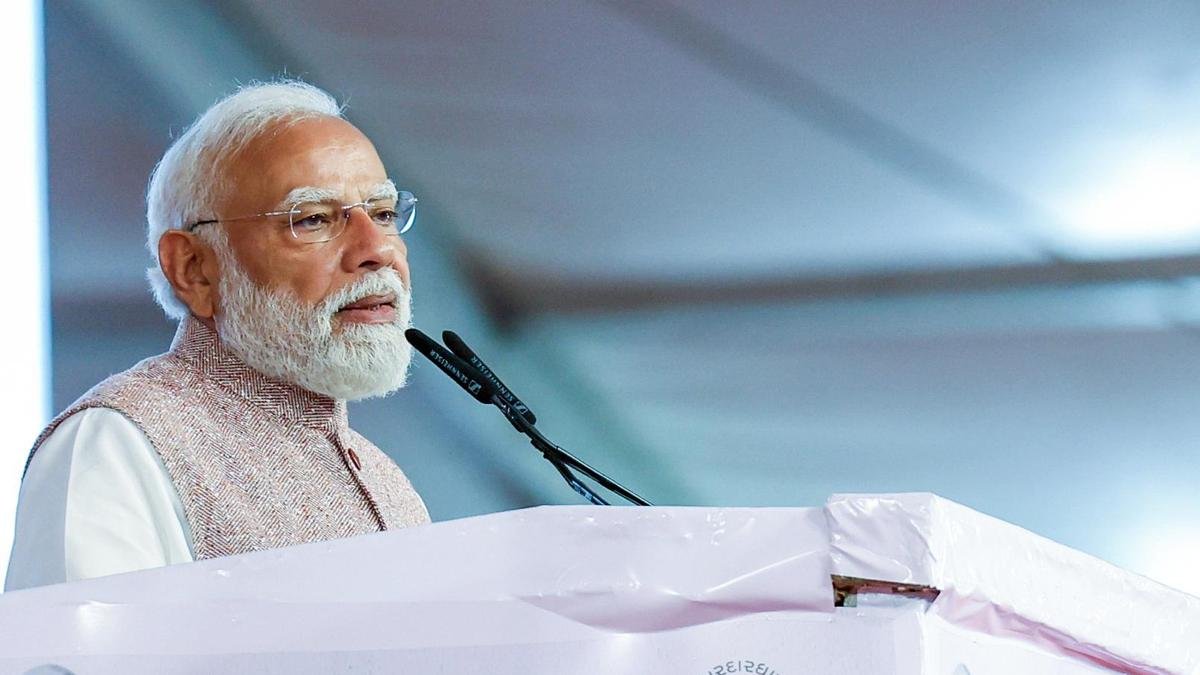
Prime Minister Narendra Modi’s appeal to postpone discretionary gold purchases and non-essential foreign travel for a year has sparked a nationwide debate. For India’s middle class, the message is not just about saving money. It reflects broader concerns about inflation, foreign exchange reserves, and economic stability.
Why the Prime Minister Made This Appeal
Prime Minister Narendra Modi recently urged citizens to avoid buying gold and reduce overseas vacations and destination weddings for at least one year. The appeal came as India faces rising pressure from higher crude oil prices and global geopolitical tensions, especially in West Asia.
India imports most of the gold consumed in the country and more than 85 percent of its crude oil requirements. Both are paid for in US dollars. When import bills rise sharply, the country’s foreign exchange reserves come under strain, and the rupee can weaken against the dollar.
For a country as large as India, even small changes in consumer behavior can make a meaningful difference.
Why Gold Imports Affect the Indian Economy
Gold holds emotional and financial value for Indian households. It is bought for weddings, festivals, and as a traditional store of wealth.
But there is an economic cost.
India imported billions of dollars worth of gold in the last financial year. Because most of this demand is met through imports, higher gold purchases increase the outflow of foreign currency. This can widen the current account deficit and add pressure on the rupee.
To discourage excessive imports, the government has increased customs duties on gold and silver to 15 percent. This includes a 10 percent basic customs duty and a 5 percent Agriculture Infrastructure and Development Cess.
Gold Purchases and Middle-Class Savings
For many middle-class families, gold is seen as a safe investment. However, buying gold at record-high prices can tie up funds that might otherwise go toward:
- Emergency savings
- Mutual funds
- Children’s education
- Home loan prepayments
- Retirement planning
Modi’s message encourages households to think carefully before making large discretionary purchases.
Why Foreign Travel Was Mentioned
Outbound travel by Indians has surged in recent years. International vacations, destination weddings, and shopping trips all require spending in foreign currency.
Under the Liberalised Remittance Scheme, travel is one of the largest categories of overseas spending by Indian residents.
For families, reducing non-essential foreign travel can lead to substantial savings. It may also redirect spending toward domestic tourism in destinations such as Udaipur, Shillong, Coorg, and Mahabaleshwar.
How This Affects Middle-Class Households
The Prime Minister’s statement is advisory, not mandatory. No restrictions have been announced.
Still, the message matters because it highlights how global events can influence household finances.
1. Gold May Become More Expensive
Higher import duties can raise jewellery prices, making wedding and festive purchases costlier.
2. International Travel Costs Could Rise
A weaker rupee increases expenses for flights, hotels, and shopping abroad.
3. Inflation Could Stay Elevated
If crude oil prices remain high, transport and daily essentials may become more expensive.
4. Savings Habits May Change
Families may shift toward diversified investments rather than concentrating savings in physical gold.
Is Gold Still a Good Investment?
Gold remains a useful hedge against inflation and uncertainty. But financial planners generally recommend keeping only a portion of savings in gold rather than making it the primary investment.
Alternatives include:
- Equity mutual funds
- Fixed deposits
- Sovereign Gold Bonds if available in future issuances
- Public Provident Fund
- National Pension System
The key message is moderation, not elimination.
Why Tier-2 and Tier-3 Cities Are Paying Attention
In cities such as Nagpur, Indore, Rajkot, and Mysuru, gold remains central to family savings and wedding planning.
The Prime Minister’s appeal may encourage households to delay purchases, compare prices more carefully, and consider financial alternatives.
What This Really Means
Modi’s call is less about personal sacrifice and more about economic caution.
When global oil prices rise and imports become expensive, countries try to conserve foreign exchange. Since India imports large amounts of oil and gold, reducing discretionary demand can help limit external pressure.
For middle-class families, the takeaway is straightforward: review large purchases, prioritize essentials, and keep savings flexible during uncertain times.
Key Takeaways
- India imports most of its gold, which increases pressure on foreign exchange reserves.
- Higher gold duties are likely to make jewellery more expensive.
- Cutting non-essential foreign travel can help families save money.
- The broader message is to spend more cautiously during global uncertainty.
FAQ
Did the government ban gold purchases?
No. The Prime Minister issued an advisory asking citizens to postpone discretionary gold buying, but there is no ban.
Why is gold important to India’s import bill?
India produces limited quantities of gold domestically, so most demand is met through imports paid for in US dollars.
Should middle-class families stop buying gold completely?
Not necessarily. The suggestion is to avoid non-essential purchases and focus on balanced financial planning.
Will this affect wedding jewellery purchases?
It may lead some families to delay purchases or reduce quantities, especially while prices remain high.










Leave a comment