

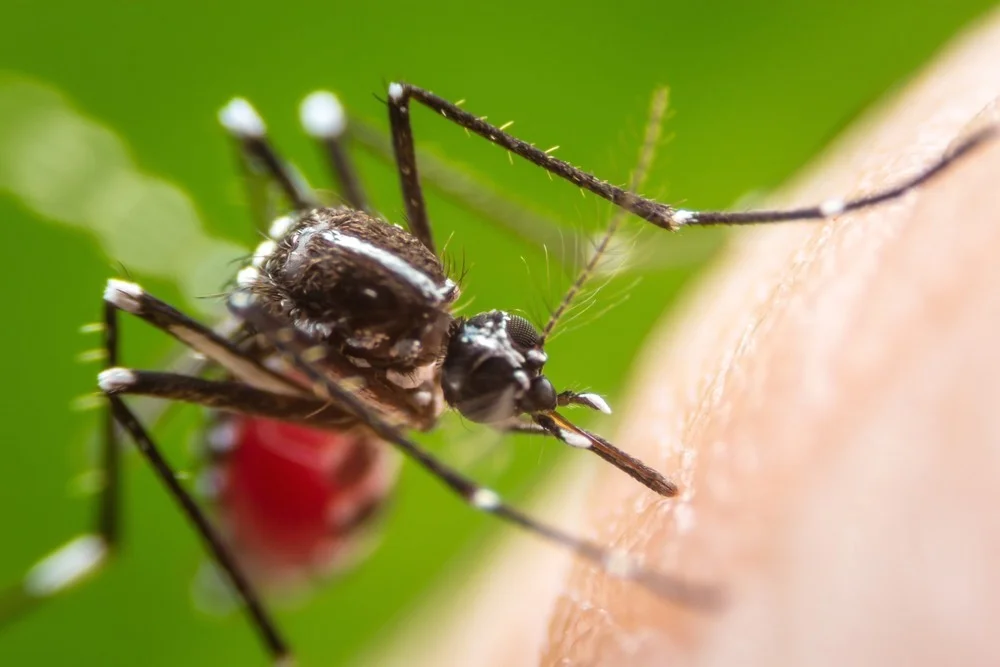
Mosquitoes are more than just a summer nuisance—they are carriers of diseases like dengue, malaria, and chikungunya, making them a serious public health concern in India. Yet, some individuals seem almost immune to mosquito bites, remaining untouched while others attract swarms. This phenomenon has puzzled scientists and everyday observers alike. Understanding the reasons behind this bite-free trait can shed light on human biology and offer practical insights for mosquito protection in urban and semi-urban areas.
1. Body Chemistry Plays a Key Role
Mosquitoes are attracted to specific chemicals emitted by the human body. Compounds like lactic acid, ammonia, and certain fatty acids signal the presence of a potential host. People who naturally produce lower levels of these compounds, or whose chemical profiles are less detectable, are often less appealing to mosquitoes. This explains why some individuals rarely experience bites despite being in the same environment.
2. Blood Type Matters
Research has shown that blood type influences mosquito attraction. People with Type O blood tend to attract more mosquitoes, while Type A is less attractive. In India, where blood type diversity is significant, this factor can explain why mosquito exposure varies even among family members living under the same roof.
3. Skin Microbiome Differences
The bacteria living on our skin, known as the skin microbiome, also affect mosquito preference. Certain bacterial compositions release odors that are highly attractive to mosquitoes. Conversely, people with different microbial communities may produce scents that repel these insects, making them naturally bite-resistant.
4. Genetic and Metabolic Factors
Genetics influence not only body chemistry but also metabolic rates. Higher metabolism can increase carbon dioxide output and body heat, both of which attract mosquitoes. People with slower metabolisms may emit fewer of these cues, reducing their likelihood of being bitten.
5. Lifestyle and Environmental Influence
Diet, alcohol consumption, and even the use of scented products can alter how attractive a person is to mosquitoes. Urban and semi-urban Indian residents may notice seasonal or situational changes in mosquito attention, influenced by these lifestyle factors.
Conclusion
The mystery of why some people escape mosquito bites is a combination of biology, genetics, and environmental factors. While no one is completely immune, understanding these variables can help individuals make informed choices about protection strategies. From choosing personal repellents to considering diet and hygiene, recognizing why mosquitoes prefer certain hosts can improve safety and comfort, particularly in Indian cities where mosquito-borne illnesses remain a significant concern.









Leave a comment