

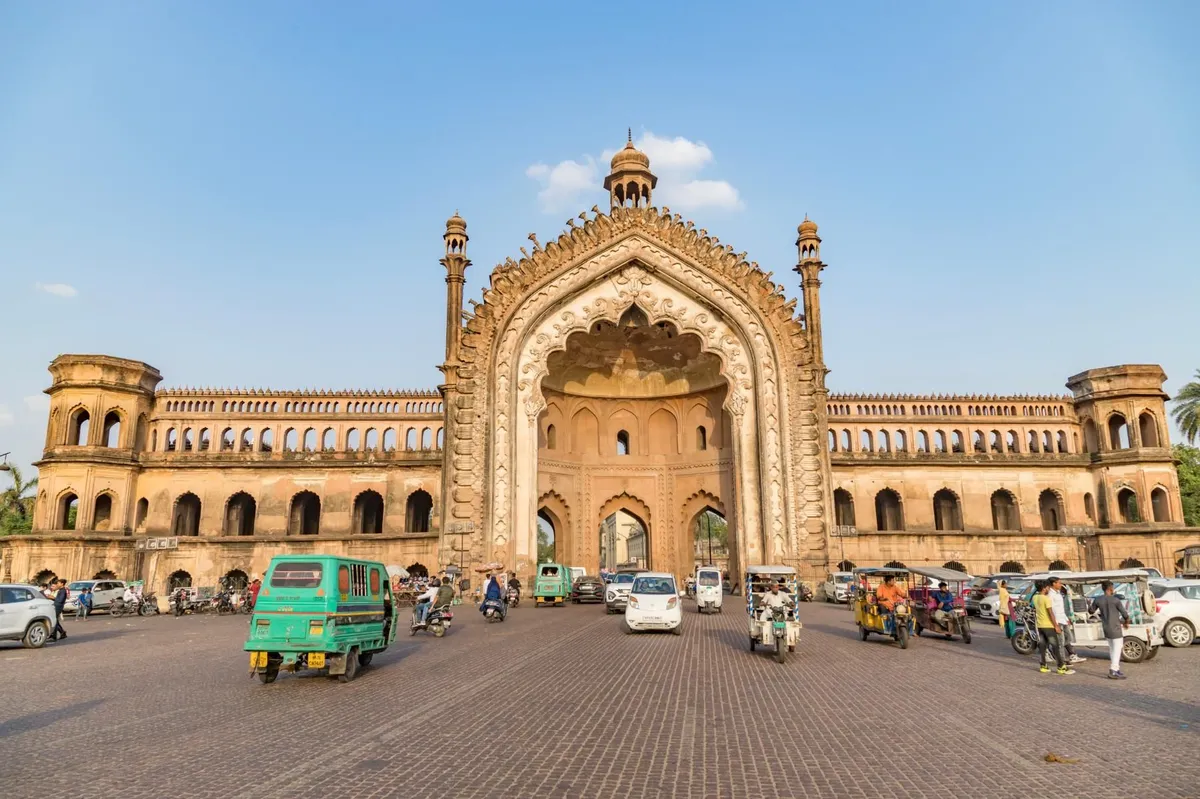
India’s Tier-2 and Tier-3 cities such as Visakhapatnam, Lucknow, and Jaipur are fast emerging as the next investment frontiers. With growing infrastructure, improving connectivity, and government-backed industrial policies, these cities are becoming magnets for manufacturing, logistics, and service industries seeking cost-efficient expansion.
Shift from Metros to Emerging Industrial Clusters
For decades, India’s industrial and corporate ecosystems were dominated by metropolitan cities like Mumbai, Bengaluru, and Delhi NCR. But rising costs, urban congestion, and land scarcity have prompted investors to look beyond metros. Cities such as Visakhapatnam in Andhra Pradesh, Lucknow in Uttar Pradesh, and Jaipur in Rajasthan now offer the perfect blend of infrastructure readiness and affordable business conditions. The shift is also being accelerated by the central government’s “Make in India” and “Invest India” initiatives, coupled with state-level industrial corridor projects.
Visakhapatnam: The New Coastal Industrial Powerhouse
Visakhapatnam, or Vizag, has evolved from being a port city into a diversified industrial hub. The upcoming Vizag-Chennai Industrial Corridor and its inclusion in the PM Gati Shakti framework are attracting large-scale manufacturing investments in steel, petrochemicals, and pharmaceuticals. The state government’s push for the IT and electronics sectors through the Andhra Pradesh Industrial Development Policy 2023-27 is further diversifying its economy. Several multinational firms have shown interest in establishing data centers and electronics units due to Vizag’s port connectivity and proximity to key markets in South and East Asia. With Andhra Pradesh being among the top five states in Ease of Doing Business rankings, Visakhapatnam’s industrial outlook appears robust for the next decade.
Lucknow: North India’s Policy and Growth Engine
Lucknow is transforming into a policy-driven growth center. Backed by major expressway networks such as the Purvanchal and Bundelkhand Expressways, the city now connects seamlessly to industrial nodes across Uttar Pradesh. The Yogi Adityanath government’s “Invest UP” initiative has positioned Lucknow as a base for electronics, defense, and food processing industries. The Defence Industrial Corridor project, with one of its major nodes near Lucknow, has already attracted significant proposals from domestic and international defense manufacturers. Additionally, the city’s rising startup ecosystem, aided by its expanding IT park and educational institutions, is creating a skilled workforce that appeals to technology and services firms looking for alternatives to Noida and Gurugram.
Jaipur: The Logistic and MSME Power Center
Jaipur, historically known as a tourist and handicraft destination, has now evolved into a manufacturing and logistics powerhouse. Its inclusion in the Delhi-Mumbai Industrial Corridor (DMIC) and the development of the Mahindra World City SEZ have positioned Jaipur as one of North India’s most investment-ready Tier-2 cities. The city’s textile, gems and jewelry, and automobile component clusters are now supported by a strong MSME ecosystem. The Jaipur Ring Road and dedicated freight corridor access have made it a preferred destination for logistics companies looking to serve the growing e-commerce demand across northern India. Its strong air and road connectivity with Delhi and Gujarat further strengthen its industrial competitiveness.
Factors Driving Tier-2 and Tier-3 City Growth
Three structural factors are behind this emerging trend. First, improved physical infrastructure—expressways, ports, and industrial corridors—has cut down logistics costs by up to 30 percent in several regions. Second, digital infrastructure and 5G expansion are enabling service and technology-based firms to decentralize operations. Third, supportive state policies like single-window clearances and capital subsidies are drawing investors who previously preferred metro cities. The combination of policy support, talent availability, and lower operational costs makes these smaller cities ideal for sustainable industrial growth.
The Role of Startups and MSMEs
Another major driver is the rise of local entrepreneurship. Tier-2 and Tier-3 cities are witnessing an explosion of MSMEs and startups across manufacturing, agritech, and logistics. Local incubators, government-backed venture funds, and state partnerships with private accelerators are helping small businesses scale faster. In cities like Lucknow and Jaipur, growing IT and design ecosystems are enabling startups to cater to global clients while keeping costs low. This local innovation loop is reinforcing industrial development by creating parallel demand for services and supply-chain networks.
Challenges That Need Addressing
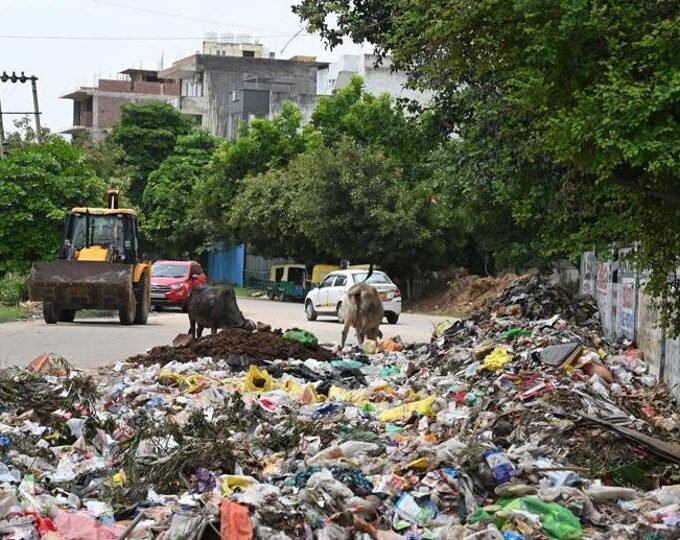
While the outlook is promising, certain challenges remain. Power reliability, land acquisition clarity, and last-mile connectivity continue to impact some smaller cities. Additionally, workforce upskilling is a concern, as industries expanding into Tier-3 regions require a mix of technical and digital skills that local populations may still be developing. State governments are responding through skill-development missions and partnerships with private institutions, but the pace of implementation will determine how quickly these cities can reach their full potential.
The Bigger Picture: India’s Decentralized Industrial Future
The growing investor focus on cities like Visakhapatnam, Lucknow, and Jaipur reflects a broader shift toward economic decentralization. This trend will not only decongest metros but also spread job creation and infrastructure development across wider geographies. If current growth momentum continues, these emerging cities could collectively contribute over 40 percent of India’s new industrial output by 2030. The balance between cost efficiency, connectivity, and policy support positions them as key pillars in India’s next industrial chapter.
Takeaways:
- Tier-2 and Tier-3 cities are becoming preferred destinations for new industrial investments.
- Visakhapatnam, Lucknow, and Jaipur exemplify how infrastructure and policy can drive balanced regional growth.
- Government initiatives like DMIC, Gati Shakti, and Defence Corridors are catalyzing decentralised industrialisation.
- Addressing workforce and connectivity gaps will be crucial for sustaining long-term investor confidence.
FAQs
Q: Why are companies shifting investments from metros to smaller cities?
A: High operational costs and congestion in metros have made Tier-2 and Tier-3 cities more attractive due to lower expenses, improved infrastructure, and government incentives.
Q: Which sectors are leading investments in these emerging hubs?
A: Key sectors include manufacturing, logistics, defense production, electronics, and IT services, supported by MSMEs and local startups.
Q: How are state governments supporting this shift?
A: States are offering industrial corridors, single-window clearances, fiscal incentives, and skill-development programs tailored to new investors.
Q: What risks could slow down this growth?
A: Delays in infrastructure projects, skill shortages, and inconsistent local governance could affect investor confidence in smaller cities.







Leave a comment