

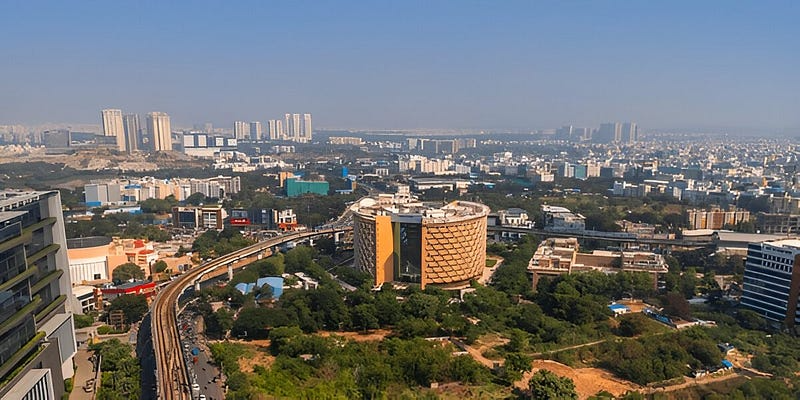
India’s startup landscape is undergoing a quiet but powerful decentralisation. The focus is shifting from traditional metro hubs like Bengaluru and Mumbai to emerging Tier-2 and Tier-3 cities such as Indore, Coimbatore, Surat, and Bhubaneswar. Industry leaders across India Inc agree that this shift represents the next growth engine for both innovation and employment.
India’s Startup Map Is Getting Redrawn
The last decade saw metros dominate India’s startup narrative, but 2025 data tells a different story. Nearly half of new startup registrations now come from smaller towns. According to government figures from the Department for Promotion of Industry and Internal Trade (DPIIT), more than 50 percent of India’s 120,000 registered startups originate outside metro regions. This change is driven by improved digital connectivity, better access to funding through state-level incubators, and growing local entrepreneurial confidence. As Tier-2 cities become digitally integrated and economically active, startups are finding lower operating costs and untapped markets to build scalable businesses.
Why India Inc Is Betting on Smaller Cities
India’s corporate sector sees strategic value in expanding into smaller cities. Lower infrastructure costs, expanding talent pools, and regional demand growth are top motivators. Consumer-focused industries such as e-commerce, fintech, and logistics are experiencing rapid expansion beyond metros. Companies like Zomato, Swiggy, and Flipkart now report nearly 60 percent of new user growth from Tier-2 and Tier-3 cities. Additionally, IT services and SaaS companies are setting up satellite offices in cities like Jaipur, Lucknow, and Chandigarh to reduce attrition and operational costs. For startups, these cities also offer affordable office spaces, stable internet infrastructure, and improving quality of life for employees.
Government Push and Infrastructure Boost
The government’s Digital India and Startup India missions have made smaller cities viable startup destinations. Many states, including Tamil Nadu, Rajasthan, and Uttar Pradesh, have introduced dedicated startup policies offering capital subsidies, incubation grants, and tax benefits. Infrastructure improvements such as the Delhi-Mumbai Industrial Corridor (DMIC), Chennai-Bengaluru Industrial Corridor, and expanding expressway networks are transforming connectivity. Tier-2 cities are also being integrated into India’s 5G network faster than expected, enabling digital-first ventures to thrive. The availability of co-working spaces, regional accelerators, and partnerships with universities has also improved dramatically since 2020.
Talent and Education Driving Local Innovation
Another key factor behind this decentralisation is the rise of skilled graduates in smaller cities. Engineering and management institutes in places like Coimbatore, Nagpur, and Bhopal are producing founders who prefer to build businesses close to home rather than migrating to metros. This retention of local talent has created new micro-clusters of innovation. For example, Surat has become a textile-tech and logistics hub, while Kochi is developing a strong base in marine tech and blockchain startups. Local entrepreneurs are also leveraging regional strengths—such as agritech in Madhya Pradesh, renewable energy in Rajasthan, and health-tech in Kerala—to build sustainable businesses tailored to regional needs.
Investors and Venture Funds Follow the Shift
The funding ecosystem is evolving in tandem with this trend. Early-stage investors and angel networks are increasingly focusing on Tier-2 markets. In 2025 alone, over 40 percent of angel investments tracked by Inc42 were made outside the top six metro cities. Venture funds such as Blume Ventures and Kalaari Capital have launched regional initiatives to scout startups in non-metro locations. Corporate venture arms are also exploring partnerships with state incubators to access high-potential startups early. This growing confidence from investors is helping balance risk perception and encouraging founders from smaller towns to pursue ambitious ideas.
Cost Advantage and Quality of Life Appeal
Operational economics are a decisive factor in this shift. Office rentals in Tier-2 cities are typically 60 to 70 percent lower than in metros, while wages remain competitive. Startups can hire skilled developers, marketing professionals, and operational teams at lower costs without compromising quality. Additionally, improved urban infrastructure and affordable housing make these cities attractive for young professionals seeking better work-life balance. This has led many startups to adopt distributed workforce models, blending small-city bases with metro client networks.
Challenges Slowing Down the Expansion
Despite momentum, challenges persist. Access to advanced mentorship, late-stage funding, and deep-tech infrastructure remains limited in smaller cities. Many Tier-3 cities still struggle with bureaucratic delays and inconsistent local governance, which can discourage large-scale expansion. Talent retention is another issue, as young employees often move to metros for better exposure. Industry bodies like NASSCOM and TiE are working to close this gap through regional chapters, accelerator programs, and hybrid networking initiatives that connect Tier-2 founders with national and international investors.
The Future: A Decentralised Startup India
The long-term implications of this shift are profound. As smaller towns mature into full-fledged startup ecosystems, India’s innovation capacity will become more geographically balanced. This will not only decongest metros but also drive local job creation, regional GDP growth, and inclusive economic development. For India Inc, investing in Tier-2 and Tier-3 ecosystems is both a business and a nation-building opportunity. By 2030, analysts expect nearly 70 percent of new digital businesses to emerge from these cities, redefining India’s economic map.
Takeaways:
- Over half of India’s new startups now emerge from Tier-2 and Tier-3 cities.
- Lower costs, government policies, and digital infrastructure are fueling decentralised growth.
- Investors and corporates are actively backing regional founders across non-metro clusters.
- The trend promises inclusive development but still faces challenges around funding and mentorship.
FAQs
Q: Why are Tier-2 and Tier-3 cities becoming attractive for startups?
A: They offer lower operational costs, rising digital access, and strong state-level incentives that make them ideal for scaling new businesses.
Q: How is India Inc responding to this trend?
A: Major corporations and investors are expanding into smaller cities to tap regional talent, reduce costs, and build new consumer markets.
Q: What sectors are leading the startup growth outside metros?
A: E-commerce, fintech, agritech, logistics, and IT services are seeing the fastest growth in non-metro regions.
Q: What are the biggest challenges for startups in smaller towns?
A: Limited late-stage funding, weaker mentorship ecosystems, and slower policy execution are key hurdles that need consistent state support.










Leave a comment