

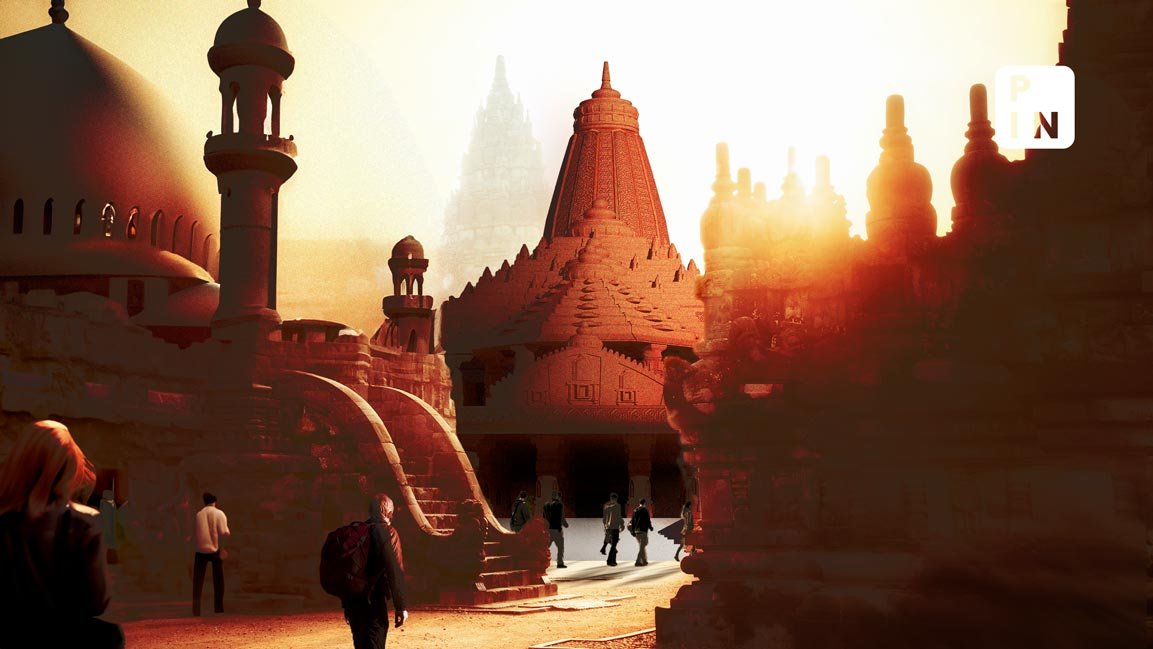
Religious tourism in Madhya Pradesh is witnessing steady growth, with destinations like Omkareshwar and Ujjain drawing millions of visitors each year. This surge is not only spiritual in nature but is also driving employment, infrastructure, and local business expansion across the region.
Religious tourism in Madhya Pradesh has emerged as a significant economic driver, especially in cities like Omkareshwar Temple and Mahakaleshwar Jyotirlinga. These destinations attract pilgrims throughout the year, with peak footfall during festivals and special religious events. The consistent inflow of visitors has created a ripple effect across local economies, benefiting small businesses, transport operators, and service providers.
Rising Footfall and Pilgrim Economy Growth
The growth in religious tourism is supported by improved connectivity and government-backed initiatives. Madhya Pradesh has invested in road networks, railway access, and riverfront development to make pilgrimage sites more accessible. Omkareshwar, located on the Narmada River, and Ujjain, one of the seven sacred cities in Hindu tradition, have both seen a steady increase in tourist numbers.
Festivals such as Mahashivratri and the Simhastha Kumbh Mela in Ujjain attract massive crowds, often running into millions. Even outside festival periods, weekend tourism and spiritual travel circuits are keeping these destinations active year-round.
This rise in footfall directly translates into economic activity. Local vendors, priests, guides, and small hotel owners rely heavily on pilgrimage seasons for their income. In Tier-2 regions, this form of tourism often becomes a primary source of livelihood.
Local Business Opportunities Around Temple Tourism
The expansion of temple tourism has created multiple layers of economic opportunity. Around Omkareshwar and Ujjain, there has been a noticeable rise in budget hotels, dharamshalas, eateries, and transport services. Street vendors selling पूजा items, handicrafts, and local food benefit from daily pilgrim traffic.
Small entrepreneurs have also entered the market with services like guided tours, boat rides on the Narmada, and digital booking platforms for darshan passes. The informal sector plays a critical role here, employing a large portion of the local population.
For example, in Ujjain, the development around the Mahakal corridor has led to increased commercial activity in nearby areas. Property values have seen appreciation, and new businesses are opening to cater to rising demand.
Infrastructure Development and Government Push
The government has actively promoted religious tourism as part of broader economic development. Projects focused on beautification, crowd management, and digital infrastructure have been implemented in both Omkareshwar and Ujjain.
The Mahakal Corridor project in Ujjain is one of the most visible examples. It has improved visitor experience through better facilities, expanded temple परिसर areas, and enhanced security systems. Similarly, riverfront development in Omkareshwar has made the site more attractive and accessible.
These infrastructure upgrades are not just about aesthetics. They enable higher tourist capacity, longer visitor stays, and better spending per visitor. This directly contributes to local revenue generation.
Employment Generation in Tier-2 Religious Hubs
Religious tourism has a strong multiplier effect on employment. Unlike industrial growth, which may require specialized skills, tourism generates jobs across skill levels. From auto drivers and hotel staff to artisans and tour guides, a wide range of people benefit.
In cities like Ujjain, youth employment has increasingly shifted towards tourism-linked activities. Seasonal employment during festivals also provides income opportunities for surrounding rural areas.
Women’s participation in the local economy has also increased. Many women-run small businesses, including food stalls and souvenir shops, are now part of the tourism ecosystem.
Challenges in Managing Rapid Tourism Growth
While the economic benefits are clear, rapid growth also brings challenges. Overcrowding during peak seasons can strain infrastructure. Waste management, traffic congestion, and environmental concerns around the Narmada River are ongoing issues.
There is also the risk of over-commercialization, which can affect the spiritual experience that attracts pilgrims in the first place. Balancing economic development with cultural and environmental preservation remains a key challenge for authorities.
Sustainable tourism practices, better planning, and stricter regulation of commercial activities will be essential to ensure long-term benefits.
Future Outlook for Religious Tourism in India
Religious tourism is expected to continue growing as domestic travel increases. With rising disposable incomes and improved connectivity, more Indians are exploring spiritual destinations within the country.
States like Madhya Pradesh are likely to expand tourism circuits, linking multiple धार्मिक sites to encourage longer stays. Digital platforms for bookings, crowd management systems, and targeted promotion campaigns will further accelerate growth.
For Tier-2 cities, this presents a unique opportunity. Unlike traditional industries, religious tourism leverages existing cultural assets, making it a sustainable and scalable economic model when managed effectively.
Takeaways
- Religious tourism is driving steady economic growth in cities like Omkareshwar and Ujjain
- Local businesses and informal sectors are major beneficiaries of rising pilgrim footfall
- Infrastructure projects like the Mahakal Corridor are boosting visitor experience and revenue
- Sustainable planning is needed to manage overcrowding and environmental impact
FAQs
Why is religious tourism important for local economies?
It generates employment, supports small businesses, and increases revenue through continuous visitor inflow.
Which are the key religious destinations in this context?
Omkareshwar and Ujjain are major pilgrimage sites attracting millions of visitors annually.
What is the Mahakal Corridor project?
It is a major infrastructure development around the Mahakaleshwar temple in Ujjain aimed at improving facilities and managing crowds.
Are there challenges associated with rising tourism?
Yes, issues like overcrowding, waste management, and environmental impact need careful handling.







Leave a comment