

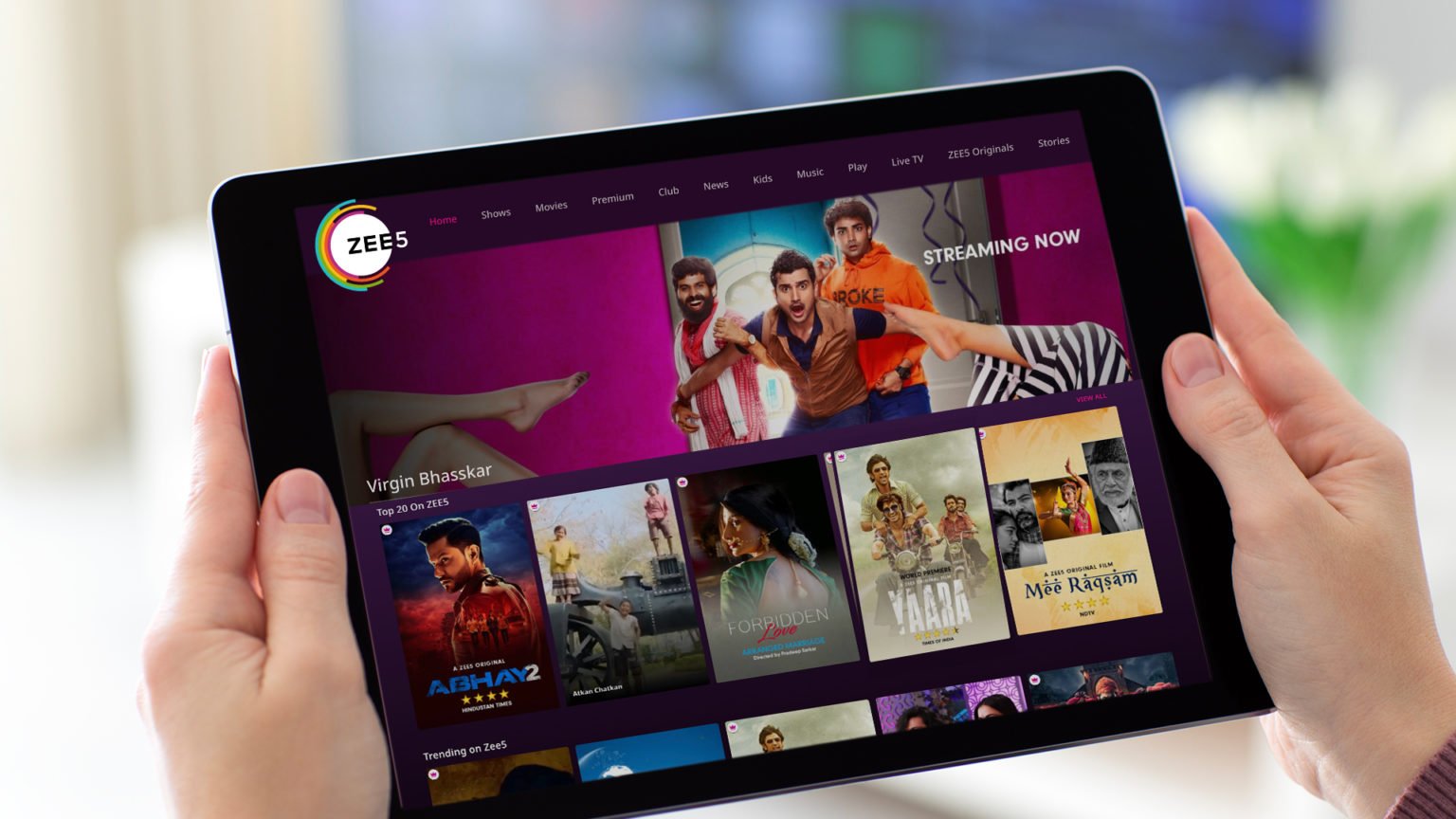
A quiet transformation is reshaping India’s digital entertainment scene. Independent creators from Tier-2 and Tier-3 cities are increasingly making their way onto OTT platforms, turning local stories into mainstream hits. This surge is redefining storytelling norms and expanding the creative geography of India’s booming content economy.
The Intent and Trend Behind the Shift
This is a time-sensitive cultural and industry trend. OTT platforms, once dominated by metro-centric narratives, are now aggressively scouting for fresh voices from smaller towns. The intent is both creative and commercial: audiences from non-metropolitan India now form over 65 percent of total OTT viewership, and platforms need stories that reflect their realities. Independent filmmakers and content creators from cities like Indore, Ranchi, Nagpur, and Kochi are finding unprecedented access to streaming giants through short-film contests, regional content funds, and collaborative production models.
Small-City Creators, Big Opportunities
The entry barrier for regional creators has dropped dramatically. Platforms such as SonyLIV, Zee5, MX Player, and Aha have launched open submission programs for short films and web series concepts. Filmmakers who once struggled to find producers in Mumbai are now submitting scripts directly through online pipelines. For instance, MX Player’s “Take One” initiative and Amazon MiniTV’s collaborations with indie storytellers have helped dozens of small-town directors debut on streaming platforms. Regional film festivals in Bhubaneswar, Bhopal, and Guwahati have also become scouting grounds for OTT curators seeking authentic voices. This decentralisation is not just diversifying Indian entertainment—it’s creating a new creative economy outside the metros.
Local Stories Finding National Reach
What makes this wave different is the authenticity of stories emerging from smaller towns. Audiences are embracing narratives that capture India’s real texture—its dialects, aspirations, and contradictions. Shows like Panchayat (set in rural Uttar Pradesh), Gullak (based in small-town Madhya Pradesh), and Half CA (centred on middle-class struggles in Jaipur) have proved that localised storytelling can win national audiences. Independent creators from cities like Surat and Patna are crafting relatable dramas and comedies rooted in familiar realities rather than aspirational fantasies. OTT platforms, noticing the engagement metrics, are expanding regional language quotas and setting up local writers’ rooms to replicate this success.
Democratization Through Technology
Advancements in affordable production technology have been key. A decade ago, professional-grade cameras, editing software, and post-production facilities were out of reach for small-town creators. Today, filmmakers are shooting on smartphones, using low-cost editing suites, and distributing digitally. YouTube and Instagram Reels became their training grounds, helping many develop storytelling instincts that later translated into OTT-ready scripts. Streaming executives now regularly review viral creators from social media for potential collaborations. For example, several sketch artists from Indore and Jaipur who built online followings have transitioned to writing for OTT comedy anthologies. The result is a more inclusive creative pipeline connecting grassroots talent to national platforms.
Regional Content Funds and Local Collaborations
OTT platforms are also investing directly in regional ecosystems. Amazon Prime Video and Netflix have both announced regional content accelerator programs focused on South and North India. Similarly, Aha and Chaupal are commissioning indie projects from first-time directors across Telugu, Bhojpuri, and Punjabi belts. State governments, too, are playing a role—Kerala, Madhya Pradesh, and Rajasthan have rolled out film subsidies for digital productions. These measures are empowering small production houses to operate sustainably outside Mumbai or Hyderabad. Independent filmmakers now collaborate with regional studios and local streaming platforms to build proof-of-concept projects before pitching to national OTTs.
The Creative Shift in Narrative Style
The new crop of creators from smaller towns is changing storytelling itself. Their narratives rely less on celebrity appeal and more on character-driven realism. They depict tier-2 India’s moral complexity, middle-class humour, and socio-economic contradictions. Viewers find these stories relatable and emotionally grounded. This shift is making OTT platforms rethink commissioning models—moving from high-budget thrillers to low-cost, high-engagement dramas that resonate with a larger cross-section of viewers. Industry insiders note that a “local-first, universal-next” approach is now guiding OTT content planning for 2025 and beyond.
Challenges on the Road Ahead
Despite the momentum, small-town creators face structural challenges. Access to experienced technicians, sound designers, and post-production facilities remains limited. Many creators also struggle to navigate the legal and contractual side of OTT deals. There’s a gap between creative ambition and institutional support, especially for those outside established film networks. OTT platforms are beginning to address this through mentorship programs, production boot camps, and partnerships with local film schools. As this support infrastructure grows, the ecosystem for independent creators beyond metros will become more stable and self-sustaining.
What It Means for India’s Entertainment Future
The migration of storytelling power from metros to smaller towns is a defining moment for India’s digital content industry. It signifies cultural decentralisation and creative inclusion. The rise of small-city creators on OTT platforms is not just expanding entertainment choices—it is reshaping national identity in media. As India’s digital audience continues to diversify, the future of streaming lies in the authenticity, emotion, and local insight that only small-town creators can offer.
Takeaways:
- OTT platforms are increasingly sourcing independent creators from Tier-2 and Tier-3 cities.
- Regional authenticity is replacing metro-centric narratives as audience preference evolves.
- Technology and open-access OTT initiatives are bridging the creative gap for small-town filmmakers.
- Sustained mentorship and investment will determine how deeply this shift reshapes India’s entertainment landscape.
FAQs
Q: Why are OTT platforms turning to small-town creators?
A: Platforms are responding to rising viewership from Tier-2 and Tier-3 India and want authentic stories that connect with these audiences.
Q: How are independent creators breaking into OTT?
A: Through open submissions, regional content funds, social media exposure, and collaborations with local production houses.
Q: What kind of stories are being produced by small-town creators?
A: Character-driven narratives reflecting regional life, family dynamics, and aspirational struggles, often grounded in realism.
Q: What are the biggest challenges they face?
A: Limited access to technical resources, lack of funding networks, and insufficient training in production management and distribution.








Leave a comment