

Short summary paragraph
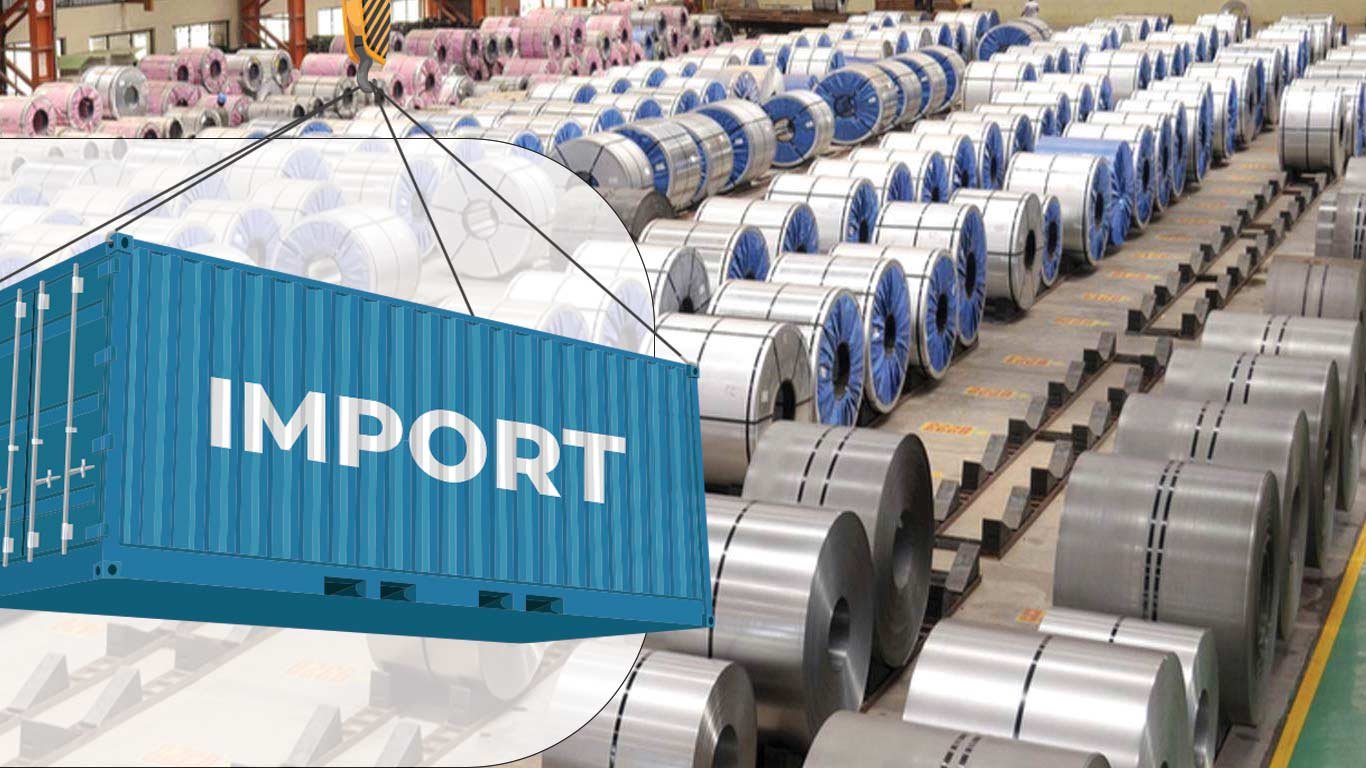
New steel import tariffs being considered by the government could significantly change the cost structure for MSME and regional exporters in Tier-2/3 towns. Rising raw material costs may squeeze margins, force adjustments in pricing or supply-chains, and potentially shift production strategies for many small firms.
What’s changing: steel import tariffs and why they matter
The government is considering extending safeguard duties — 11–12 percent — on selected steel imports, after a temporary 12 percent tariff expired recently. This move aims to protect domestic steel producers by curbing cheap dumped imports, primarily from China. For MSME units and regional exporters who depend on imported steel or semi–finished steel components, this proposed tariff presents a new cost reality. In essence, imported steel once used to keep production costs low may get pricier, directly impacting manufacturers of metal goods, components, engineering products and allied sectors.
Immediate impact on MSME cost structures
For small and medium enterprises in smaller towns, many operate on narrow margins. When steel — a fundamental input for engineering goods, metal fabrication, machinery parts, construction-related manufacturing — becomes costlier, their production expenses rise noticeably. Import-based players may face inability to absorb the extra cost fully. Some may attempt to pass on the increase to buyers, but in competitive markets this may erode demand. Others might slow production, reduce workforce, or even shutter units if profitability collapses.
Regional exporters: competitiveness and international demand risk
Export-oriented units in Tier-2/3 cities that rely on imported steel may lose competitiveness in global markets. Costlier raw materials can push up export prices — hurting demand abroad. For price-sensitive export markets, this might translate to lost orders or shrinking market share. Even domestic buyers may shift to cheaper alternatives or forego orders. Some firms might instead source steel domestically — but that depends on availability, supply-chain readiness, and quality.
Potential shifts: move to domestic steel or value-addition strategies
Facing cost pressure, many MSMEs may pivot toward domestic steel suppliers. That could boost demand for locally produced steel and benefit domestic steel mills. But domestic steel may have variable quality or different specifications, forcing upgradation in machinery or processes. Alternatively, firms may shift strategy: reduce steel-intensive designs, adopt alternate materials or focus on higher-value products with better margins to absorb cost increase. Some exporters may specialise in lightweight or composite goods, or niche segments where steel input is lower but value-addition higher.
Supply-chain disruptions and uncertainty in non-metro manufacturing hubs
In smaller towns, supply-chains tend to be less diversified. Fewer local steel mills, limited logistics infrastructure, and weak vendor networks can exacerbate impact. Tariffs may trigger delays, shortages, or cost escalations in sourcing steel. Smaller firms often don’t have buffer capital to absorb disruptions, which could result in production delays, order cancellations, or capacity underutilisation — hitting employment and local economies.
Long-term implications for MSME sustainability and regional industrial growth
If steel tariffs persist, long-term viability of steel-intensive MSME clusters could come under stress. Some may adapt and survive, but more vulnerable units could shrink or shutter. On the flip side, this move might encourage consolidation, formalization, and shift toward higher-quality manufacturing, potentially leading to more robust regional industrial ecosystems. It could attract investment in domestic upstream steel processing. But that depends on government enforcement, supply-chain support, and readiness of MSMEs to adapt.
What this means for Tier-2/3 towns’ exporters and small enterprises
Regional firms must treat the tariff as a structural cost change, not a short-term blip. This means revising pricing strategy, possibly renegotiating with clients or pivoting product lines. Firms may need to explore domestic steel sourcing, optimize designs for material efficiency, or move toward value-added products rather than bulk steel-intensive manufacturing. Local industry bodies and trade associations may have to negotiate support — such as credit, input subsidies, or bulk purchasing arrangements — to help small units remain competitive.
Takeaways
• The new steel import tariffs raise raw material costs for many MSME and export-oriented units in smaller towns, squeezing margins.
• Exporters reliant on imported steel may lose competitiveness abroad or be forced to pass increased costs to clients.
• Some firms may pivot to domestic steel procurement or shift toward less steel-intensive, higher-value products to stay viable.
• Long-term impact could see restructuring of regional manufacturing clusters — weaker units may exit, stronger ones may consolidate or upgrade operations.
FAQ
Q: Will all MSME units using steel be equally affected by the import tariff?
A: No. Units relying heavily on imported steel, especially for high-quality or specialised components, will feel the heat more. Firms sourcing domestically or using alternate materials may see less impact.
Q: Can regional exporters absorb extra cost without raising prices?
A: Only if they manage to cut costs elsewhere, improve efficiency, or shift to less steel-intensive products. Given thin margins, most will likely need to adjust pricing or restructure.
Q: Does this change favour domestic steel producers?
A: Yes. Domestic steel mills may see increased demand as firms pivot to local sourcing. But supply-chain readiness and quality compliance will determine actual uptake.
Q: Could this move lead to shutdowns of small manufacturing units in small towns?
A: That risk exists, especially for units that cannot absorb cost increases, lack financial resilience, or fail to adapt operations or sourcing — putting their viability at risk.








Leave a comment