

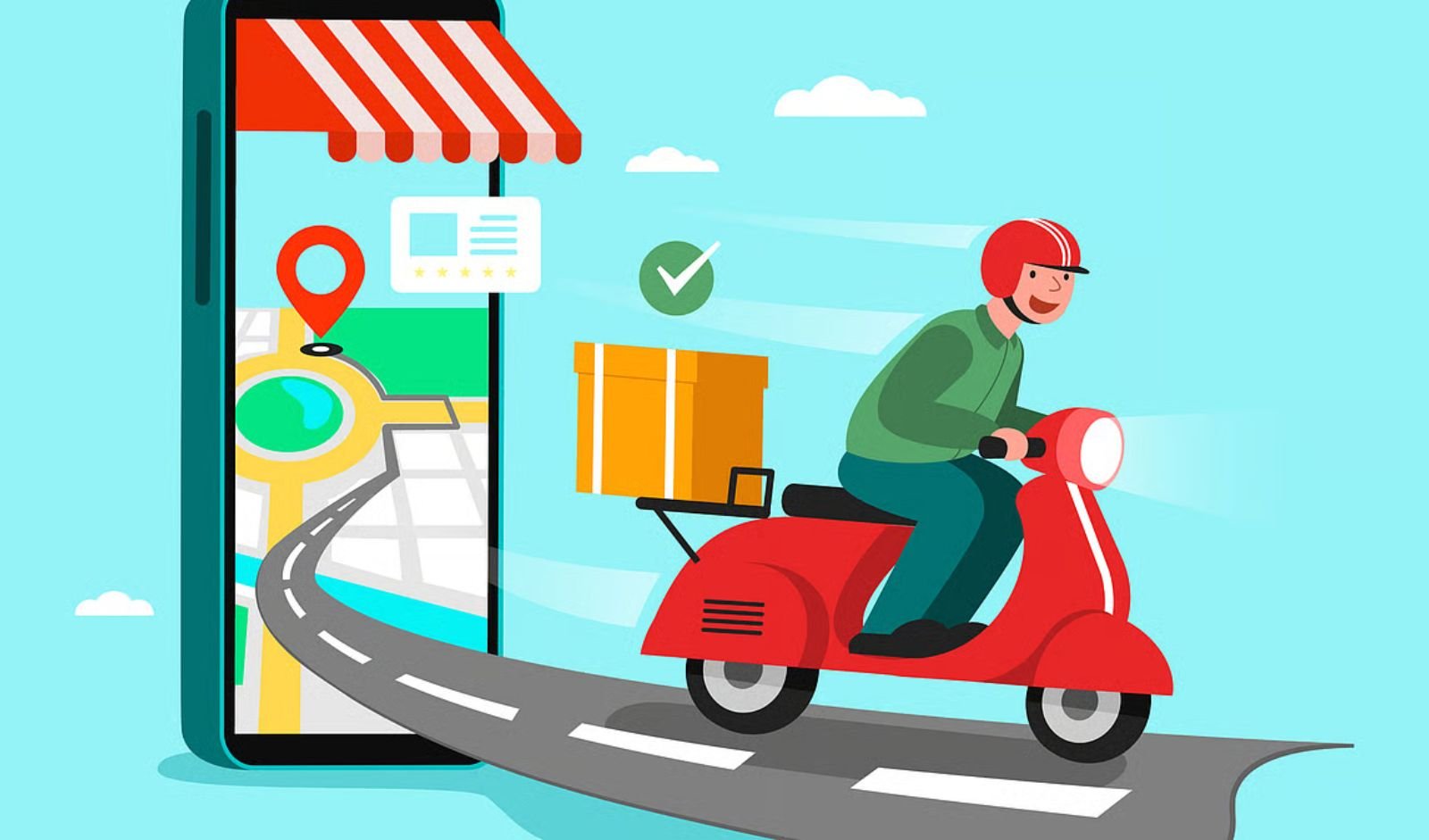
The rise of quick commerce is accelerating across India, and its impact is now reaching small towns as delivery platforms expand beyond metros. This shift is transforming warehousing practices, gig job availability and local retail ecosystems in Tier 2 and Tier 3 cities.
Short summary paragraph
Quick commerce platforms are rapidly scaling into small towns, triggering changes in warehousing, logistics and gig based employment. As dark stores and delivery networks expand beyond metros, smaller towns are witnessing new economic opportunities and competitive pressures.
Why quick commerce is moving aggressively into small towns
Quick commerce initially concentrated on metro cities due to dense populations and higher digital spending. However, the next phase of growth lies in Tier 2 and Tier 3 cities where smartphone adoption, digital payments and online grocery habits have accelerated. Small town consumers increasingly expect fast delivery of essentials, daily groceries and household items as their digital lifestyles evolve.
Platforms see these towns as high potential markets because operational costs are lower. Warehousing rents, delivery partner payouts and micro-fulfilment expenses are more economical outside metros. With a growing appetite for convenience, quick commerce companies aim to capture early mover advantage before local offline retailers digitise at scale.
This expansion is enabled by improved highway networks, better last mile connectivity and increased purchasing power among younger families and working professionals living in these towns.
Warehousing trends shifting with dark stores in Tier 2 hubs
One major change is the rise of dark stores in smaller cities. These compact warehouses store fast moving products and enable 10–30 minute deliveries. Locations such as Indore, Lucknow, Coimbatore, Nagpur, Bhubaneswar, Mysuru, Patna and Jaipur are emerging as regional warehousing hubs due to strategic demographics and transport access.
In small towns, dark stores require less real estate yet deliver high output because of lower congestion and easier mobility. Platforms can set up more nodes across a town, improving delivery accuracy and reducing route times. As a result, warehousing jobs are shifting from simple stocking roles to more structured positions involving inventory tracking, barcode management, order optimisation and quality checks.
This evolution introduces formalised processes in areas that previously relied on traditional wholesale and kirana supply chains. Store managers, warehouse supervisors and logistics coordinators are becoming more common roles, giving local youth access to organised sector employment.
Gig economy expansion and new delivery opportunities
Quick commerce growth is significantly expanding gig job opportunities in smaller towns. Delivery partners can earn consistent income through flexible timings, which particularly appeals to college students, part time workers and individuals seeking supplemental earnings.
In Tier 2 cities, delivery routes are shorter, traffic density is lower and fuel consumption is manageable, making gig jobs more efficient compared to metros. Platforms often introduce incentive structures tied to secure deliveries, peak hour demand and customer ratings. This provides predictable earning potential for youth who might otherwise have limited job options.
The gig expansion also leads to new micro markets such as last mile delivery startups, local logistic service providers and independent rider fleets. Such ecosystems generate indirect employment in vehicle servicing, battery charging points for electric scooters and uniform or gear suppliers.
However, gig jobs still face challenges such as inconsistent peak hour demand, weather related slowdowns and limited worker benefits. Sustainability of earnings remains a concern in very small towns unless order volumes grow steadily.
Impact on local retail and consumer behaviour in small towns
Quick commerce platforms are reshaping consumer behaviour by introducing convenience-driven shopping habits. Households that relied on daily visits to local kirana stores now order essentials through apps for faster fulfilment. This shift influences how small town retailers operate. Many shops begin stocking fast moving items that align with quick commerce trends or adopt their own delivery models.
Some local retailers choose to partner with platforms as fulfilment points or supply partners, gaining additional revenue streams. Others feel competitive pressure due to platform discounts, consistent stock availability and digital visibility. This creates a need for offline shops to differentiate through personalised service, credit facilities or niche regional products.
Consumers benefit from price transparency, product comparisons and scheduled delivery options. Over time, the availability of fresh produce, dairy and bakery items through quick commerce channels broadens purchase patterns and reduces dependency on single shop sources.
Infrastructure demands as platforms scale into smaller towns
For quick commerce to sustain long term growth, small towns need reliable road networks, stable power supply for warehouses, smooth digital payments and high speed mobile data. Many Tier 2 cities already meet these requirements, but Tier 3 towns face occasional connectivity gaps. Platforms invest in micro warehouses, cold chain units and automated sorting tools to reduce friction.
Electric vehicle adoption is also rising in small town delivery fleets because lower distances make EVs highly viable. EV charging infrastructure is slowly expanding around marketplaces, residential clusters and commercial zones as delivery volumes grow.
Long term implications for small town economies
Quick commerce expansion can strengthen small town economies by generating stable jobs, attracting investment and improving supply chain efficiency. Young entrepreneurs may build hyperlocal brands that partner with platforms or launch niche delivery services.
However, the shift may also pressure traditional retail formats. To stay relevant, these retailers need to digitise, adopt inventory apps and integrate with local online marketplaces. The overall direction suggests that small towns will gradually mirror metro level digital commerce behaviour.
Takeaways
Quick commerce expansion into small towns is transforming warehousing and job ecosystems.
Dark stores are increasing employment opportunities linked to inventory and logistics.
Gig jobs offer flexible income for youth but depend on stable order volumes.
Local retailers must adapt as consumer behaviour shifts toward convenience driven shopping.
FAQs
Why are quick commerce platforms expanding into small towns
Because smartphone adoption, online grocery habits and affordability make these markets high potential growth zones.
How does quick commerce create jobs in smaller cities
It generates roles in warehousing, inventory management, delivery operations and local logistics while supporting indirect jobs.
Do local retailers face competition from quick commerce
Yes. Platforms influence pricing and convenience expectations, but retailers can adapt through digital tools and personalised service.
Is quick commerce sustainable in very small towns
It depends on population density, order frequency and logistics efficiency. Growth is strongest in mid sized Tier 2 cities.











Leave a comment