

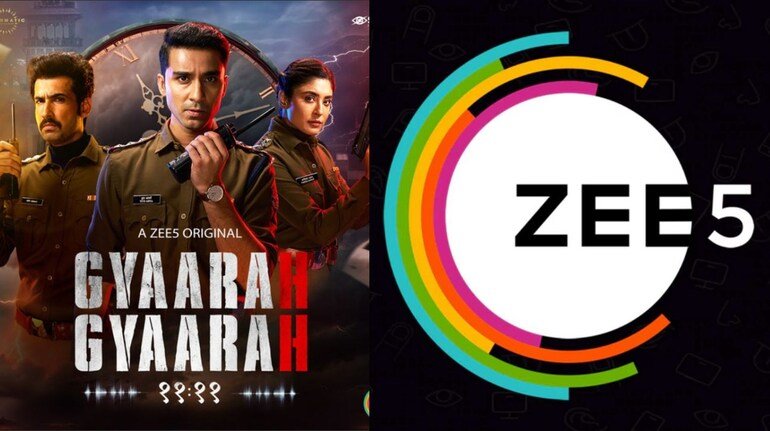
Indian regional web series like Kaalipotka are playing a central role in expanding audience frames on ZEE5 by moving beyond metro-centric storytelling. These shows are not only bringing new viewers from Tier-2 and Tier-3 regions but also reshaping how language, culture, and local narratives perform on national OTT platforms.
Regional storytelling on OTT has shifted from being niche to becoming a strategic growth lever. Platforms are no longer treating regional content as supplementary. Instead, it is being positioned as a primary driver of subscriber acquisition, engagement, and retention across India.
The Rise of Regional Originals on OTT Platforms
The Indian OTT market has matured rapidly over the past few years. Early growth was driven largely by Hindi and English originals targeted at urban audiences. That ceiling was reached quickly. Platforms then turned to regional languages to unlock the next phase of growth.
ZEE5 was among the first to invest heavily in original content across Bengali, Marathi, Tamil, Telugu, Malayalam, and Kannada. Series like Kaalipotka represent a shift in approach. These are not dubbed adaptations of Hindi formats. They are conceived, written, and produced within their cultural context.
This authenticity matters. Viewers from regional markets respond more strongly to characters, settings, and conflicts that mirror their lived reality. As a result, completion rates and repeat viewership for strong regional originals have consistently outperformed many generic national shows.
How Kaalipotka Reflects Localised Storytelling Strength
Kaalipotka is rooted deeply in regional socio-cultural themes. Its narrative structure, pacing, and character motivations are aligned with local audience sensibilities rather than pan-India formulas.
The show does not rely on spectacle or star power. Instead, it focuses on atmosphere, moral tension, and social undercurrents that resonate strongly with its core language audience. This approach builds trust with viewers who often feel underrepresented in mainstream digital content.
At the same time, subtitles and platform discovery algorithms allow the series to travel beyond its primary market. Urban viewers looking for grounded, realistic stories increasingly sample such content, expanding the audience frame organically.
ZEE5’s Regional Content Strategy Explained
ZEE5’s regional expansion strategy is built on volume, diversity, and consistency. Instead of releasing one-off experiments, the platform commissions multiple originals per language every year. This creates habitual viewing patterns in regional markets.
Another key factor is marketing localisation. Promotions for regional shows are often tailored city by city, using local media, outdoor advertising, and language-first social campaigns. This ensures high recall in non-metro regions where digital discovery alone may not be sufficient.
Importantly, ZEE5 integrates regional content into its homepage and recommendation engine rather than isolating it in language silos. This cross-pollination exposes viewers to stories they might not actively search for, widening consumption behavior.
Expanding Audience Frames Beyond Language Barriers
Audience expansion today is not just about geography. It is also about mindset. Regional web series challenge the assumption that audiences only want fast-paced, urban narratives.
Shows like Kaalipotka prove that viewers are open to slower storytelling, moral ambiguity, and culturally specific conflicts if the writing is strong. This broadens the creative risk appetite of platforms and creators alike.
For advertisers and brands, this shift is significant. Regional OTT audiences are highly engaged and often under-served by premium digital advertising. As viewership grows, these shows attract brand integrations and sponsorships tailored to local markets.
Impact on Creators and Regional Production Ecosystems
The success of regional web series has created a ripple effect across local film and television industries. Writers, directors, and technicians who previously depended on limited regional TV slots now have a scalable digital outlet.
Budgets for regional OTT series remain controlled but are more stable than traditional television. This allows creators to focus on quality and experimentation rather than formulaic output.
Over time, this strengthens regional creative ecosystems and reduces over-dependence on Mumbai-centric production hubs. It also helps preserve linguistic diversity in Indian digital entertainment.
What This Means for the Future of Indian OTT
Regional web series are no longer an alternative category. They are shaping the future growth curve of OTT platforms in India. As smartphone penetration deepens and data costs remain low, demand for culturally relevant content will continue to rise.
Platforms that invest early in authentic regional storytelling will own these audiences long-term. ZEE5’s approach with series like Kaalipotka positions it strongly in this race.
The broader outcome is a more inclusive digital entertainment landscape where stories from smaller towns and regional cultures command national attention without dilution.
Takeaways
Regional originals are now core growth drivers for OTT platforms, not side projects
Authentic local storytelling improves engagement and viewer loyalty
ZEE5’s consistent regional commissioning strategy expands discovery across languages
Shows like Kaalipotka strengthen regional creative economies while attracting national audiences
FAQs
What makes regional web series more effective in Tier-2 and Tier-3 markets?
They reflect local culture, language, and social realities more accurately, which builds stronger emotional connection and repeat viewing.
Can regional shows attract non-native language audiences?
Yes. Strong narratives combined with subtitles and platform recommendations allow regional series to travel beyond their core markets.
Why is ZEE5 investing heavily in regional content?
Regional audiences represent the largest untapped growth segment for OTT platforms in India, both in subscriptions and engagement.
Are regional web series replacing traditional regional TV?
They are not replacing it entirely, but they are offering creators and viewers a more flexible, modern alternative with greater creative freedom.









Leave a comment