

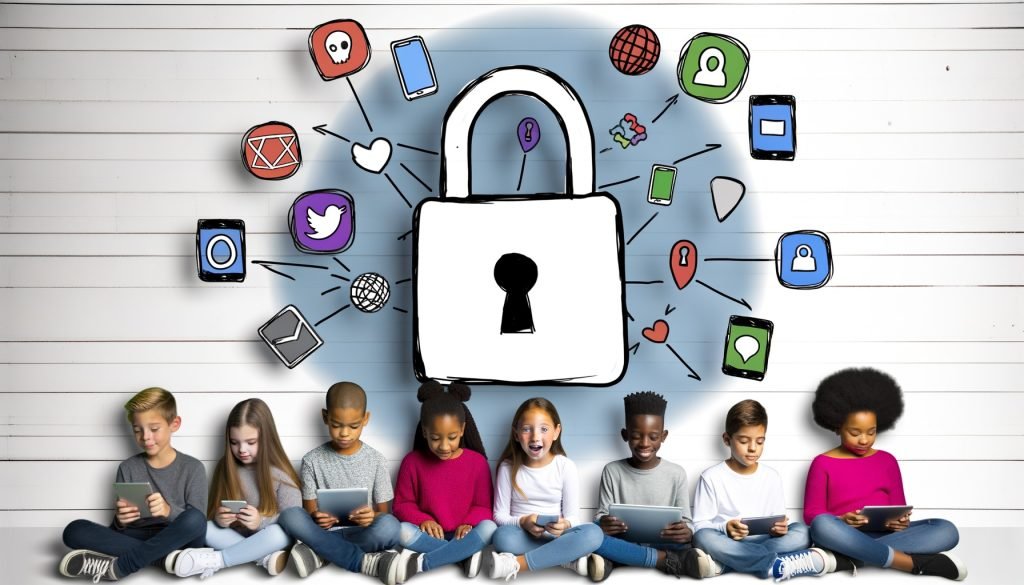
Social media clampdown for minors has become a growing policy debate in India and several other countries. Governments, parents and technology companies are weighing stricter age verification, screen time controls and platform accountability to address online safety concerns.
Social media clampdown for minors is emerging as a major policy discussion point as concerns around online safety, mental health and data privacy continue to rise. Platforms such as Instagram, YouTube and short video apps are widely used by teenagers, often below the officially permitted age of 13. Policymakers in India and abroad are exploring whether stronger regulations are required to protect children from harmful content and addictive design patterns.
The debate is not limited to one country. Several nations have introduced or proposed legislation to increase age verification standards, restrict targeted advertising to minors and mandate stronger parental controls. India is observing these developments while also considering its own digital governance priorities.
Global Regulatory Trends on Youth Online Safety
In recent years, countries including the United States, United Kingdom and Australia have advanced bills aimed at protecting minors online. These proposals range from limiting data collection from children to enforcing stricter content moderation standards. Some jurisdictions have considered restricting access to certain social media platforms for users below a defined age threshold.
The underlying concern is consistent. Research has highlighted potential links between excessive social media usage and anxiety, depression and body image issues among adolescents. While causation remains debated, policymakers are responding to parental pressure and public health discussions.
Stricter rules often include mandatory age verification mechanisms. However, verifying age without compromising privacy presents technical and ethical challenges. Governments must balance child protection with data security and freedom of expression.
India’s Digital Regulation Landscape
In India, discussions around social media clampdown for minors intersect with broader digital regulation frameworks. The country has introduced laws addressing data protection, intermediary guidelines and online content responsibility. These frameworks require platforms to exercise due diligence in moderating harmful content.
India has a large youth population with high smartphone penetration. Teenagers access social platforms for education, entertainment and social interaction. Any regulatory shift would therefore have widespread implications.
Policy discussions in India are likely to consider age appropriate design standards, parental consent mechanisms and transparency in recommendation algorithms. The challenge lies in enforcing age restrictions when many users sign up with inaccurate birth dates. Without robust digital identity verification, age based bans may prove difficult to implement effectively.
Mental Health and Algorithmic Concerns
One of the central arguments supporting a social media clampdown for minors relates to mental health. Algorithms are designed to maximize engagement by promoting content that keeps users on the platform. For young users, exposure to unrealistic lifestyle portrayals, cyberbullying and viral challenges can create psychological stress.
Digital well being advocates argue for default screen time limits, safer recommendation feeds and clearer reporting tools. Some platforms have already introduced features such as quiet hours and parental dashboards. However, critics believe voluntary measures are insufficient.
Another concern is targeted advertising. Minors may be more susceptible to influencer marketing and persuasive content. Restricting behavioral advertising aimed at children is part of the global conversation on digital ethics.
Industry Response and Platform Accountability
Technology companies often argue that blanket bans are not practical. Instead, they advocate for collaborative approaches involving parents, educators and regulators. Platforms are investing in AI based content moderation, age detection technologies and safety education campaigns.
However, enforcement remains complex. Automated systems may misclassify content, while manual moderation at scale is resource intensive. Additionally, regional language content moderation in countries like India requires linguistic expertise across diverse states.
Platform accountability frameworks may evolve toward higher transparency. Governments could demand periodic safety audits or disclosure of how algorithms treat content consumed by minors. The debate is likely to continue as technology evolves faster than legislation.
Balancing Protection and Digital Inclusion
While child safety is paramount, policymakers must also consider digital inclusion. Social media platforms provide educational resources, peer support networks and creative expression opportunities for teenagers. Overly restrictive rules could unintentionally limit positive engagement.
A nuanced approach may involve tiered access, where certain features are restricted for younger users while allowing basic communication functions. Strengthening digital literacy in schools can also empower minors to navigate online spaces responsibly.
For India, with its vast demographic diversity, any regulatory change must account for urban and rural differences in digital access. Effective policy design will require consultation with educators, child psychologists, technology experts and civil society organizations.
Takeaways
Social media clampdown for minors is under active debate in India and globally.
Governments are considering stricter age verification and content moderation standards.
Mental health and targeted advertising concerns drive much of the policy discussion.
Balanced regulation must protect children without undermining digital inclusion and free expression.
FAQs
Q1. Why is there a push for stricter social media rules for minors?
Concerns about online safety, mental health impacts, cyberbullying and data privacy have prompted governments to consider stronger protections for young users.
Q2. Can age verification fully prevent minors from accessing platforms?
Age verification can reduce access by underage users, but implementing it without compromising privacy or excluding legitimate users is technically challenging.
Q3. What role do parents play in online safety?
Parental guidance, open communication and the use of available safety tools are critical alongside regulatory measures.
Q4. Is India planning a complete ban on minors using social media?
Policy discussions focus more on safeguards and accountability rather than outright bans, though final measures would depend on regulatory decisions.












Leave a comment