

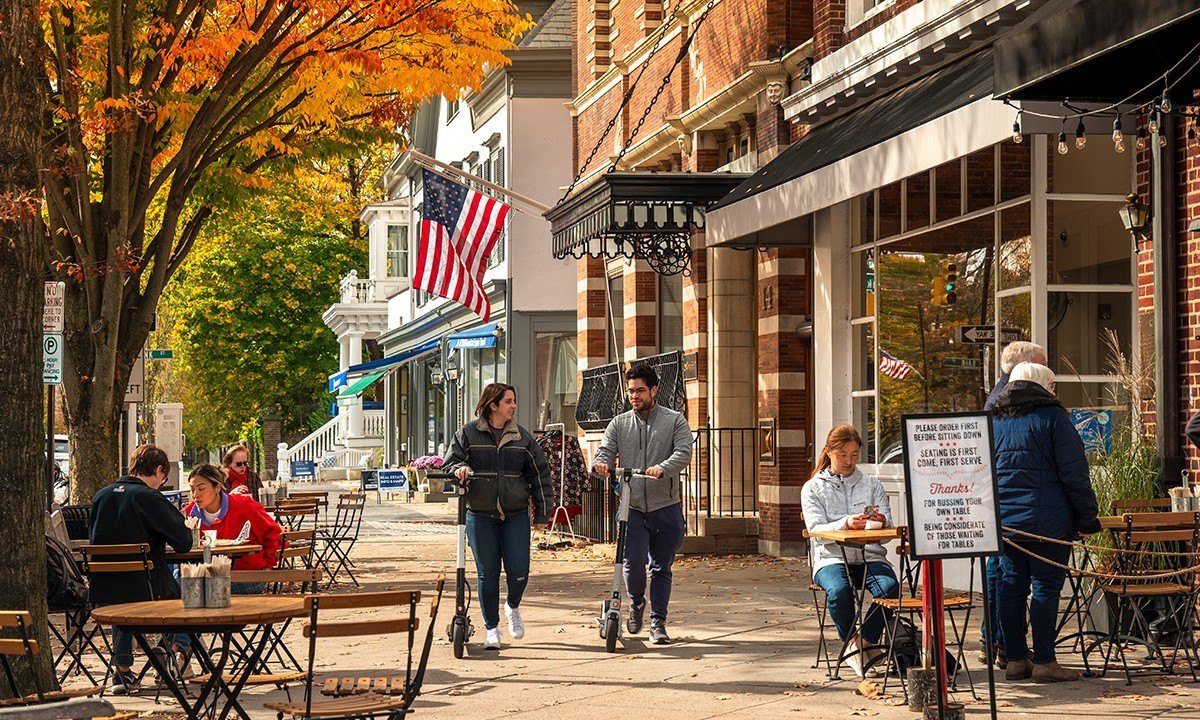
A growing number of young professionals in India are choosing to leave metro cities and return to smaller towns. Rising living costs, remote work opportunities, and improved digital infrastructure are reshaping where people choose to live and build their careers.
Why Young Professionals Are Moving Back to Smaller Cities
In recent years, a noticeable shift has taken place in India’s workforce landscape. More young professionals are moving back to smaller cities after the pandemic era, reversing a long-standing migration trend toward major metropolitan hubs. Cities like Bengaluru, Mumbai, and Delhi once represented the center of opportunity, but today many professionals are rediscovering the advantages of living in Tier-2 and Tier-3 cities.
This change is driven by several factors including remote work flexibility, rising metro living costs, and improving infrastructure in smaller urban centers. What began as a temporary relocation during the pandemic has gradually evolved into a long-term lifestyle decision for many professionals.
Remote Work Opportunities Changed Location Choices
One of the biggest reasons behind this shift is the widespread adoption of remote work. During the pandemic, companies across industries introduced flexible work policies that allowed employees to work from anywhere with a stable internet connection.
This change removed the traditional requirement of living near corporate offices in large cities. Professionals working in fields such as IT, digital marketing, content creation, design, consulting, and customer support discovered that their physical location no longer limited their career opportunities.
With remote work becoming more normalized, many employees began reassessing the cost and lifestyle trade-offs associated with metropolitan living. For someone earning the same salary, living in a smaller city often provides significantly higher quality of life compared to crowded metro areas.
Rising Cost of Living in Metro Cities
Another major factor influencing this migration trend is the increasing cost of living in India’s largest cities. Rent, transportation, dining, and everyday expenses have risen sharply in metropolitan regions.
In cities like Mumbai, Bengaluru, and Gurugram, housing costs alone can consume a large portion of a young professional’s monthly income. For many workers, especially those early in their careers, saving money while living in a metro can be difficult.
Moving back to smaller cities allows professionals to reduce living expenses while maintaining their income through remote jobs. Lower rent, affordable housing options, and reduced daily costs make it easier for individuals to save money and build financial stability.
Improved Infrastructure in Tier-2 and Tier-3 Cities
The development of infrastructure in smaller cities has also played an important role in encouraging professionals to relocate. Over the past decade, many Tier-2 and Tier-3 cities have experienced improvements in internet connectivity, transportation networks, healthcare facilities, and urban services.
Reliable high-speed internet has become widely available even in smaller towns, making remote work practical and efficient. Additionally, the expansion of co-working spaces, modern housing complexes, and digital payment ecosystems has helped smaller cities become more compatible with modern work lifestyles.
Government initiatives promoting digital connectivity and smart city development have further supported this transformation. As a result, smaller cities now offer many conveniences that were previously associated only with major metros.
Better Work Life Balance and Family Support
Beyond financial and professional considerations, lifestyle preferences are also influencing this migration pattern. Many young professionals report that smaller cities offer a calmer and less stressful environment compared to densely populated metro areas.
Shorter commute times, cleaner air, less traffic congestion, and closer access to family support systems contribute to improved work life balance. For individuals who moved back to their hometowns during the pandemic, reconnecting with family and community has become an important factor in their decision to stay.
Living closer to family can also reduce certain everyday pressures such as childcare responsibilities and household management. This support system allows professionals to focus more effectively on their work while maintaining personal well-being.
Emerging Opportunities Outside Metro Cities
The economic landscape of smaller cities is also evolving. In recent years, many startups, technology companies, and digital businesses have begun exploring opportunities outside traditional metropolitan hubs.
Cities like Indore, Jaipur, Kochi, Chandigarh, and Nagpur have seen growth in startup ecosystems, co-working spaces, and entrepreneurial communities. Educational institutions in these regions are also producing skilled graduates who prefer to build careers locally rather than migrating to large metros.
As businesses increasingly recognize the advantages of distributed teams and regional talent pools, smaller cities are gradually becoming viable centers of professional opportunity.
The pandemic accelerated this transition, but the underlying structural changes in work culture and technology suggest that this trend may continue for years to come.
Takeaways
• Remote work flexibility has allowed professionals to live outside major metro cities.
• Lower living costs in smaller cities make it easier to save and improve financial stability.
• Infrastructure and internet connectivity in Tier-2 cities have improved significantly.
• Lifestyle benefits such as better work life balance and family support attract young professionals.
FAQ
Why are young professionals moving back to smaller cities?
Many professionals are relocating due to remote work opportunities, lower living costs, improved infrastructure, and the desire for better work life balance.
Did the pandemic influence migration patterns in India?
Yes. The pandemic accelerated remote work adoption and encouraged many professionals to temporarily move back to their hometowns, which later became permanent for some.
Are smaller cities becoming new job hubs?
While metros remain major employment centers, smaller cities are increasingly developing startup ecosystems and remote work opportunities.
Will this migration trend continue in the future?
Experts believe the trend may continue as long as companies maintain flexible work policies and digital infrastructure continues to expand across India.











Leave a comment