

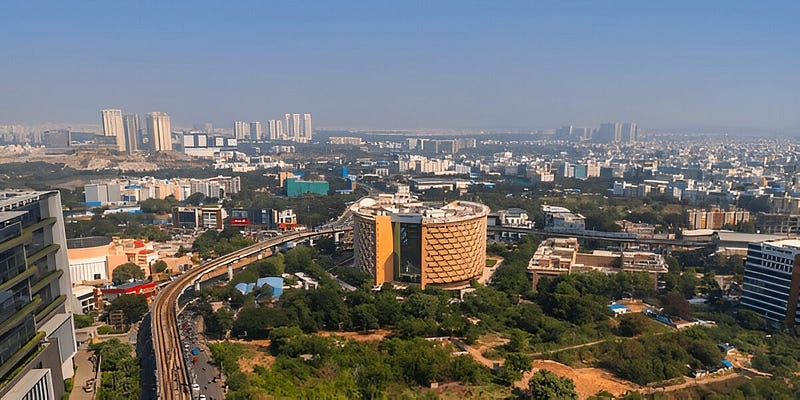
A growing number of startups in India are emerging from Tier-2 and Tier-3 cities. Improved internet access, lower operating costs, and expanding local talent pools are helping entrepreneurs build businesses outside traditional startup hubs like Bengaluru and Mumbai.
Startup Shift: Why Nearly Half of India’s New Startups Are Emerging From Tier-2 and Tier-3 Cities
The startup shift toward Tier-2 and Tier-3 cities is becoming one of the most important trends in India’s entrepreneurial ecosystem. Over the past decade, a significant share of new startups in India has begun emerging from smaller cities rather than traditional technology hubs. Entrepreneurs in cities such as Jaipur, Indore, Kochi, Coimbatore, Surat, and Chandigarh are building companies across sectors including technology, e commerce, education, fintech, and logistics.
This shift reflects broader changes in India’s digital economy. Improved internet connectivity, expanding access to funding networks, and the growth of remote work have allowed founders to build companies without relocating to metropolitan centers. As a result, smaller cities are becoming important contributors to India’s startup landscape.
The expansion of entrepreneurship beyond large metros is also creating new economic opportunities in regions that were previously less connected to the national innovation ecosystem.
Lower Costs Encourage Startup Growth in Smaller Cities
One of the main reasons startups are emerging from Tier-2 and Tier-3 cities is the significantly lower cost of operating a business. In major startup hubs such as Bengaluru, Mumbai, and Delhi, expenses related to office space, employee salaries, and housing are often much higher.
For early stage founders, managing costs is a major challenge. Smaller cities provide a more affordable environment where entrepreneurs can allocate resources toward product development, marketing, and hiring.
Lower living costs also allow startup teams to operate with smaller funding rounds during their initial growth stages. This financial flexibility can be crucial when companies are still testing business models or building their first customer base.
Because of these advantages, many founders are choosing to launch companies in their hometowns rather than relocating to expensive metropolitan areas.
Expanding Internet Access Fuels Digital Entrepreneurship
The rapid expansion of internet connectivity across India has been a major catalyst for startup growth outside metro cities. Affordable smartphones and mobile data have made digital tools accessible to millions of people in smaller towns.
Entrepreneurs can now build online businesses, digital platforms, and technology products while operating from almost any location. Cloud computing services, remote collaboration tools, and digital payment systems allow startups to function without requiring large physical offices.
For example, many e commerce businesses, online education platforms, and digital service providers now operate from Tier-2 cities while serving customers nationwide.
The growth of India’s digital infrastructure has reduced geographic barriers that once limited entrepreneurship to major urban centers.
Local Talent Pools Supporting Regional Startups
Another important factor behind the rise of startups in smaller cities is the availability of local talent. India produces millions of graduates every year from engineering colleges, universities, and professional institutes located across the country.
In the past, many graduates moved to metropolitan cities in search of employment opportunities. Today, some professionals prefer staying in their hometowns while working for local startups or launching their own ventures.
Remote work culture has also allowed skilled professionals to collaborate with distributed teams across different cities.
As local startup ecosystems grow, they create job opportunities that encourage talent to remain within regional economies. This shift strengthens the innovation capacity of smaller cities and helps build sustainable entrepreneurial communities.
Government Programs and Startup Ecosystem Development
Government initiatives have also played a role in encouraging entrepreneurship beyond major metros. Programs such as Startup India and various state level innovation policies provide funding support, incubation programs, and mentorship opportunities for new companies.
Many universities and technology institutes now host startup incubators that support early stage entrepreneurs. These incubators offer guidance, networking opportunities, and access to investors.
State governments in regions such as Gujarat, Rajasthan, Kerala, and Telangana have launched startup promotion policies designed to attract investment and encourage innovation.
In addition, local coworking spaces and startup communities are emerging in smaller cities. These networks provide entrepreneurs with opportunities to collaborate, share knowledge, and build partnerships.
Together, these initiatives help strengthen the startup ecosystem in Tier-2 and Tier-3 cities.
Impact on India’s Economic and Innovation Landscape
The rise of startups in smaller cities is reshaping India’s broader economic landscape. When entrepreneurship spreads across multiple regions, economic growth becomes more balanced and inclusive.
Local startups often focus on solving problems specific to regional markets. For example, companies in smaller cities may develop solutions for agriculture technology, logistics networks, rural financial services, or regional commerce.
These innovations can address challenges that may receive less attention from companies based in metropolitan areas.
In addition, the expansion of startup ecosystems outside major cities can reduce migration pressure on urban centers. When professionals find opportunities locally, they are less likely to relocate to already crowded metropolitan regions.
As India’s digital economy continues to expand, the role of smaller cities in driving entrepreneurship is expected to grow further.
Takeaways
• Lower operating costs make Tier-2 and Tier-3 cities attractive for startup founders.
• Expanding internet connectivity enables entrepreneurs to build digital businesses from smaller locations.
• Local talent pools and remote work culture support regional startup ecosystems.
• Government initiatives and incubators are helping strengthen entrepreneurship outside major metros.
FAQ
Why are startups emerging from smaller cities in India?
Lower operating costs, improved internet connectivity, and growing local talent pools make Tier-2 and Tier-3 cities attractive locations for new businesses.
Which sectors are popular among startups in smaller cities?
Common sectors include e commerce, education technology, fintech, logistics services, and digital platforms.
Do startups in smaller cities receive government support?
Yes. Government programs such as Startup India and various state policies provide funding, mentorship, and incubation support for entrepreneurs.
Will smaller cities continue to produce more startups?
As digital infrastructure improves and local startup ecosystems grow, smaller cities are likely to play an increasingly important role in India’s entrepreneurial landscape.












Leave a comment