

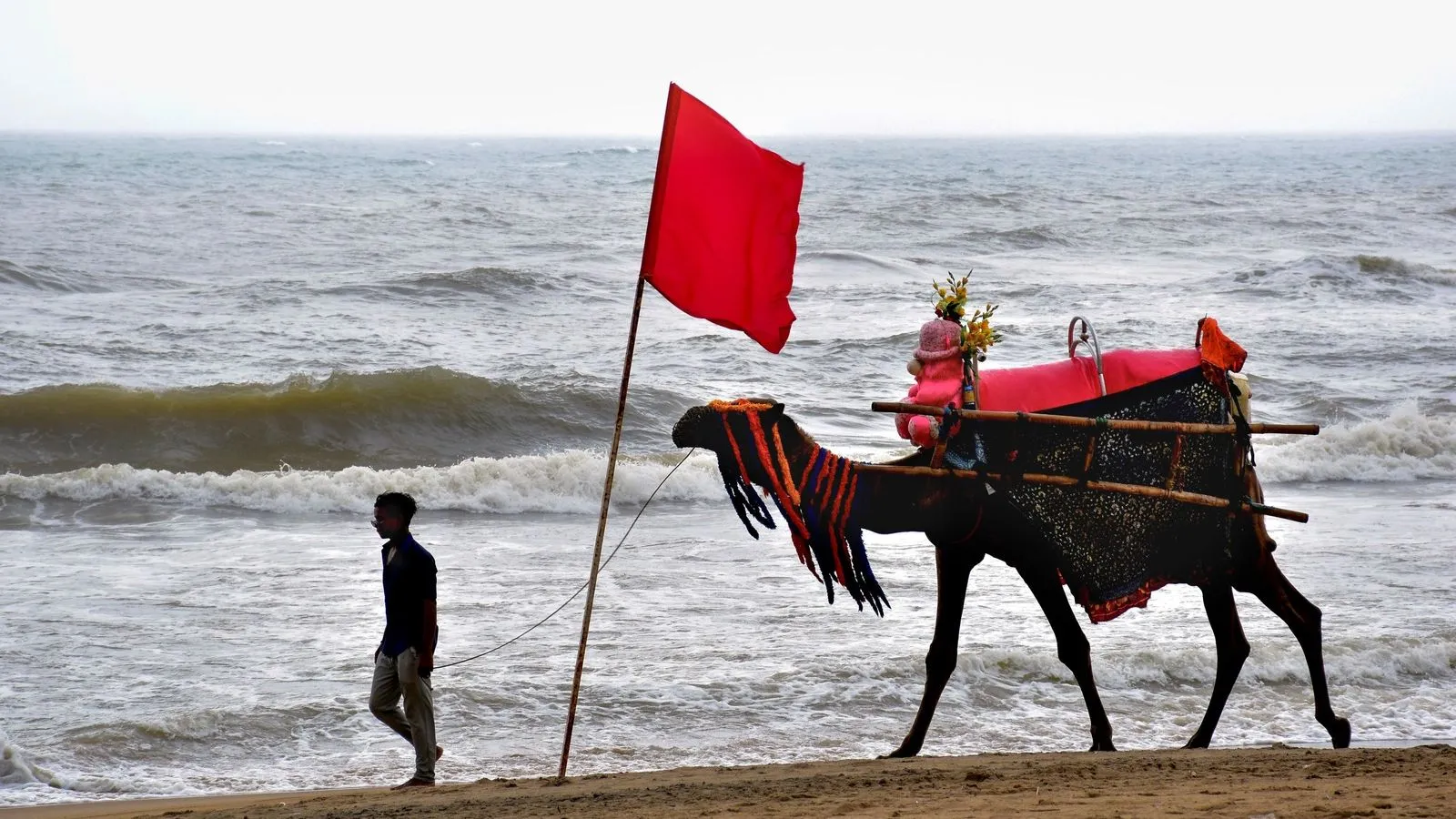
Cyclone Akvan moved towards the Odisha coast on November 20, 2026, prompting large-scale evacuations, railway disruptions and emergency preparedness measures. Authorities have deployed rescue teams and opened relief shelters as coastal districts prepare for strong winds, heavy rainfall and possible flooding.
Cyclone Akvan: Latest Weather Situation on November 20
Cyclone Akvan has emerged as a major weather concern for Odisha and neighbouring Andhra Pradesh, with the India Meteorological Department (IMD) issuing warnings for coastal areas. The storm moved north-northwestwards over the west-central Bay of Bengal and approached the North Andhra Pradesh and South Odisha coastline on Friday, November 20.
According to the IMD’s morning bulletin, issued at 8 am, Akvan had weakened from a severe cyclonic storm into a cyclonic storm at 2:30 am. At 5:30 am, its centre was located near latitude 18.3°N and longitude 84.8°E, approximately 110 kilometres south of Gopalpur in Odisha.
The weather department forecast that the system would cross the North Andhra Pradesh and South Odisha coasts close to Gopalpur during the forenoon of November 20. At the time of the bulletin, sustained wind speeds were estimated at 70 to 80 kmph, with gusts reaching 90 kmph.
Satellite observations also indicated that the storm’s outer cloud bands had begun interacting with land. The weather system was being monitored through Doppler Weather Radars at Visakhapatnam and Gopalpur.
Odisha Government Steps Up Cyclone Preparedness
The Odisha government has intensified emergency arrangements to protect residents in vulnerable coastal and low-lying areas. Evacuation operations, shelter arrangements and rescue deployments have become central to the state’s response.
According to reports quoting Special Relief Commissioner Rajesh P Patil, approximately 2,98,676 people had been evacuated by Thursday evening. They were shifted to 2,523 relief camps across affected areas.
The state also prepared 9,341 cyclone shelters to accommodate residents who might need temporary protection. These facilities are particularly important for people living in coastal villages, flood-prone locations and areas exposed to strong winds.
The administration has deployed 423 rescue teams in vulnerable locations. The reported deployment includes 60 Odisha Disaster Rapid Action Force (ODRAF) teams, 14 National Disaster Response Force (NDRF) teams and 131 Fire and Emergency Services teams, alongside other emergency personnel.
Odisha Chief Minister Mohan Charan Majhi has reviewed the situation and directed officials to prioritise public safety. The administration is coordinating evacuation, emergency response and relief arrangements as the storm approaches the coastline.
Train Cancellations and Railway Disruptions Across Odisha
Cyclone Akvan has also affected railway operations, particularly services connecting Odisha with Andhra Pradesh, West Bengal and other parts of the country.
Indian Railways has taken precautionary measures by cancelling, rescheduling, diverting and regulating trains operating through potentially affected sections. These decisions are intended to reduce risks to passengers and railway infrastructure during severe weather conditions.
Reports published ahead of the expected landfall indicated that East Coast Railway had cancelled 41 trains and rescheduled 29 services. South Eastern Railway also cancelled several trains, particularly those operating to or through Puri.
Among the affected services are passenger, MEMU, express and Vande Bharat trains. Some long-distance trains have also experienced changes in departure timings or routes.
The Visakhapatnam-Amritsar Hirakud Express (20807), for example, was scheduled to operate on a diverted route through Vizianagaram, Rayagada, Titlagarh and Sambalpur instead of its regular route.
The number of affected services and operational arrangements can change as railway authorities review weather conditions. Passengers should therefore avoid relying on older cancellation lists.
Which Passengers Should Check Their Train Status?
Passengers travelling through Bhubaneswar, Puri, Cuttack, Brahmapur, Visakhapatnam and nearby railway stations should check their train schedules before starting their journeys.
Some trains may operate with revised departure timings, while others could face diversions or en-route delays. Even if a train does not appear on an initial cancellation list, weather-related operational changes may affect its movement.
Passengers can use the following options to obtain updated information:
- National Train Enquiry System (NTES): Check live train running status and revised schedules.
- Railway enquiry number 139: Contact railway services for travel-related assistance.
- Official railway announcements: Follow East Coast Railway and South Eastern Railway updates.
- Ticket booking platform: Check cancellation and refund information through the platform used for booking.
Passengers should confirm the latest status on the day of travel rather than assuming that previously announced schedules remain unchanged.
Heavy Rainfall, Strong Winds and Flooding Concerns
Cyclone Akvan is expected to bring adverse weather conditions to parts of Odisha and northern Andhra Pradesh. Coastal districts are particularly vulnerable because of their geographical exposure to strong winds, intense rainfall and possible waterlogging.
Heavy rainfall can disrupt road transportation, damage electricity infrastructure and affect communication networks. Low-lying settlements may experience temporary flooding, while coastal communities could face difficult conditions because of rough seas and strong winds.
The impact may also extend beyond the immediate coastal belt. As the system moves inland and weakens, rainfall could affect several districts in Odisha and neighbouring states.
Farmers may face additional challenges if standing crops are exposed to strong winds or excessive rainfall. Agricultural fields, particularly those located in low-lying areas, may experience water accumulation.
Fishermen and fishing communities are among the groups facing significant risks during such weather events. Rough sea conditions can make fishing activities dangerous, while strong winds can damage boats and coastal infrastructure.
The IMD’s warnings are therefore important not only for coastal residents but also for people involved in agriculture, transportation and other outdoor occupations.
Cyclone Safety Measures: What Residents Should Do
During a cyclone, following official instructions and preparing in advance can reduce the risk of injuries and loss of life. The National Disaster Management Authority (NDMA) provides specific guidelines for households, fishermen and communities facing cyclonic weather.
Residents in affected districts should follow these precautions:
1. Follow evacuation instructions
People living in vulnerable coastal villages, low-lying settlements and flood-prone areas should move to designated cyclone shelters whenever local authorities issue evacuation instructions. Delaying evacuation can increase the risk of becoming stranded.
2. Keep essential supplies ready
Families should prepare an emergency kit containing drinking water, dry food, essential medicines, a torch, batteries, a first-aid kit and important documents stored in waterproof packaging.
3. Protect electrical equipment
Residents should switch off electrical mains and unplug appliances when instructed or when flooding threatens their homes. They should avoid touching fallen electric wires or damaged electrical equipment.
4. Avoid unnecessary travel
People should remain indoors during strong winds and heavy rainfall. Travelling through flooded roads, standing near trees or taking shelter under electric poles can be dangerous.
5. Stay connected through official updates
Mobile phones should remain charged, and families should keep emergency contact numbers accessible. Residents should rely on official weather bulletins and government announcements instead of unverified social media messages.
6. Fishermen should remain away from the sea
Fishing activities should be suspended in affected areas while dangerous sea conditions and official restrictions remain in place. Boats should be secured in safe locations.
The NDMA also warns people not to assume that a cyclone has passed simply because the wind suddenly becomes calm. A temporary reduction in wind speed may occur when the eye of a cyclone passes over an area. Strong winds can return from another direction.
Residents should wait for an official all-clear before leaving shelters or returning to evacuated locations.
What Cyclone Akvan Means for Odisha’s Coastal Communities
Odisha has considerable experience dealing with cyclones, but every weather system presents different challenges depending on its intensity, movement and rainfall pattern.
The state’s evacuation operations highlight the importance of disaster preparedness, particularly in communities located close to the coastline. Timely warnings, accessible shelters and coordination between government departments can help reduce casualties during extreme weather events.
For coastal families, preparedness involves more than moving to a shelter. It also means protecting important documents, securing livestock, arranging drinking water and ensuring that vulnerable family members receive assistance.
Small businesses, local markets, transport operators and agricultural workers may also face temporary disruptions. Even after a storm weakens, damaged roads, electricity interruptions and waterlogging can affect daily activities.
The experience of Cyclone Akvan once again highlights why disaster management needs to extend beyond emergency evacuation. Strong infrastructure, reliable communication systems and community-level awareness are equally important for reducing the long-term impact of natural disasters.
For residents of Odisha and neighbouring Andhra Pradesh, the immediate priority remains following official warnings, avoiding unnecessary movement and cooperating with local emergency authorities.
Key Takeaways
- Cyclone Akvan approached the North Andhra Pradesh and South Odisha coastline near Gopalpur on November 20, 2026.
- Approximately 2.98 lakh people had been evacuated in Odisha by Thursday evening, according to reports quoting the Special Relief Commissioner.
- Railway services faced cancellations, rescheduling and diversions, affecting passengers travelling through Odisha and neighbouring regions.
- Residents should follow IMD and government advisories, use designated shelters and avoid travelling through dangerous weather conditions.
Frequently Asked Questions (FAQs)
1. What is the latest update on Cyclone Akvan on November 20, 2026?
According to the IMD’s 8 am bulletin, Cyclone Akvan had weakened into a cyclonic storm and was approaching the North Andhra Pradesh and South Odisha coastline near Gopalpur. The forecast indicated sustained wind speeds of 70 to 80 kmph, with gusts reaching 90 kmph.
2. How many people have been evacuated in Odisha due to Cyclone Akvan?
Approximately 2,98,676 people had been evacuated by Thursday evening, according to reports quoting Odisha Special Relief Commissioner Rajesh P Patil. They were moved to 2,523 relief camps.
3. Are trains cancelled due to Cyclone Akvan?
Yes. Several railway services have been cancelled, rescheduled or diverted as a precaution. Passengers should check the NTES website or app and contact railway enquiry services through 139 for the latest information.
4. What safety precautions should people follow during Cyclone Akvan?
Residents should follow evacuation instructions, remain indoors during severe weather, keep emergency supplies ready, avoid flooded roads and stay away from fallen electric wires. Fishermen should not venture into the sea until restrictions are lifted.










Leave a comment