

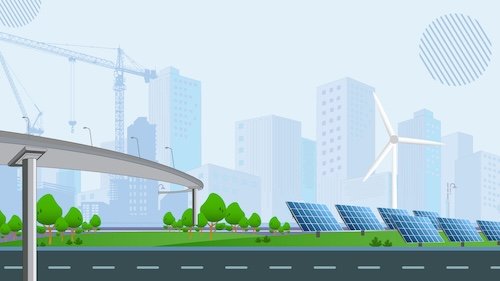
India’s infrastructure expansion is increasingly focused on Tier 2 cities as the government accelerates investments in highways, railways, airports and industrial corridors. Several projects scheduled for completion or expansion around 2026 could reshape economic growth beyond major metropolitan regions.
Infrastructure projects in Tier 2 India are becoming a major driver of regional development as the government prioritizes connectivity, logistics and urban growth outside traditional metro hubs. Over the past decade, national programs such as Bharatmala, Sagarmala, Smart Cities Mission and dedicated freight corridors have aimed to strengthen transport networks and economic infrastructure across smaller cities. As these projects progress, many Tier 2 regions are expected to benefit from improved mobility, industrial investment and job creation.
National infrastructure programs expanding connectivity across Tier 2 cities
The rapid expansion of infrastructure projects in Tier 2 India is closely linked to large national development programs launched by the central government. Initiatives such as Bharatmala Pariyojana focus on building highways and expressways that connect major economic centers with emerging cities.
Improved highway connectivity reduces travel time between cities and facilitates faster movement of goods and services. This development benefits industries that depend on road transport, including manufacturing, agriculture and logistics. Several new expressways and upgraded national highways are helping integrate smaller cities into national supply chains.
Railway modernization has also played an important role in strengthening connectivity. The development of dedicated freight corridors aims to improve cargo movement efficiency between industrial regions and ports. These rail corridors help reduce logistics costs and make regional manufacturing hubs more competitive.
With stronger road and rail connectivity, businesses can expand operations into smaller cities while still maintaining access to large consumer markets.
Airport expansion and regional air connectivity
Regional air connectivity has become another important focus of infrastructure development in Tier 2 India. The government launched the UDAN scheme to make air travel accessible to smaller cities by supporting new regional routes and airport upgrades.
Under this program, several regional airports have been revived or newly developed to connect Tier 2 and Tier 3 cities with major metropolitan centers. Improved air connectivity benefits tourism, business travel and regional investment opportunities.
Cities such as Indore, Lucknow, Coimbatore and Bhubaneswar have already seen growth in passenger traffic due to airport modernization projects. New terminal buildings, runway expansions and improved passenger facilities have enhanced the capacity of regional airports.
Better air connectivity also encourages companies to consider smaller cities for business operations. Corporate executives and investors can travel more easily to regional locations, reducing the dependence on metro cities for business activities.
Industrial corridors and logistics parks boosting economic activity
Industrial corridor projects are expected to significantly influence regional development in the coming years. Corridors such as the Delhi Mumbai Industrial Corridor and other regional economic corridors aim to create integrated manufacturing and logistics ecosystems.
These corridors include industrial zones, smart cities, logistics parks and transport infrastructure designed to support manufacturing growth. By linking production centers with ports and markets, the corridors improve efficiency in supply chains.
Tier 2 cities located along these corridors are likely to attract increased investment from domestic and international companies. Logistics hubs and warehousing facilities are also expanding in these regions to support the movement of goods.
Improved logistics infrastructure reduces transportation delays and costs, which can make regional manufacturing more competitive in both domestic and export markets.
Urban development and smart city initiatives
Urban infrastructure development has also gained momentum through the Smart Cities Mission. The initiative focuses on improving urban services, digital infrastructure and public transport in selected cities across India.
Many of the cities included in the Smart Cities program fall into the Tier 2 category. Projects under the initiative include smart traffic management systems, upgraded water supply networks, waste management improvements and digital governance platforms.
Urban modernization projects aim to improve the quality of life for residents while also attracting new business investments. Cities that offer better infrastructure and urban services are more likely to attract startups, technology companies and service sector businesses.
In addition, public transportation projects such as metro rail systems and bus rapid transit networks are expanding in several Tier 2 cities. These developments improve mobility within urban areas and support sustainable urban growth.
Economic impact of infrastructure growth in regional cities
Infrastructure investment often acts as a catalyst for economic development. When roads, airports and logistics networks improve, businesses find it easier to establish operations in emerging cities.
Improved infrastructure also encourages real estate development, commercial investments and tourism growth. Local businesses such as hotels, retail outlets and service providers benefit from increased economic activity.
Another important impact is employment generation. Infrastructure projects themselves create jobs during construction phases, while new industries and businesses generate long term employment opportunities.
Regional development also helps reduce migration pressure on major metropolitan cities. As economic opportunities expand in smaller cities, people can find jobs closer to their hometowns rather than relocating to large urban centers.
Why 2026 could be a turning point
Several infrastructure projects currently under development are expected to reach critical stages around 2026. Expressway networks, freight corridors and airport expansions planned over the past few years are gradually becoming operational.
As these projects reach completion, Tier 2 cities may experience faster economic integration with national and global markets. Improved connectivity can attract manufacturing investments, technology companies and logistics providers to these regions.
The combination of infrastructure expansion, government policy support and private investment could make the next few years particularly significant for regional development in India.
If these initiatives continue progressing as planned, Tier 2 cities may emerge as key engines of economic growth alongside traditional metropolitan centers.
Takeaways
• Infrastructure projects are expanding rapidly in Tier 2 cities across India
• National programs such as Bharatmala and freight corridors are improving connectivity
• Regional airport upgrades under the UDAN scheme are boosting air travel access
• Strong infrastructure growth can attract industries and create jobs in smaller cities
FAQs
What are Tier 2 cities in India?
Tier 2 cities are mid sized urban centers such as Indore, Nagpur, Lucknow and Coimbatore that have growing populations and economic activity but are smaller than major metropolitan cities.
What is the UDAN scheme?
UDAN is a government program aimed at improving regional air connectivity by supporting flights between smaller cities and major airports.
How do infrastructure projects help regional development?
Infrastructure improves transportation, logistics and connectivity, which encourages businesses to invest and create jobs in emerging cities.
Why could 2026 be important for Tier 2 infrastructure growth?
Several major projects including highways, freight corridors and airport expansions are expected to reach key milestones around this period.











Leave a comment