

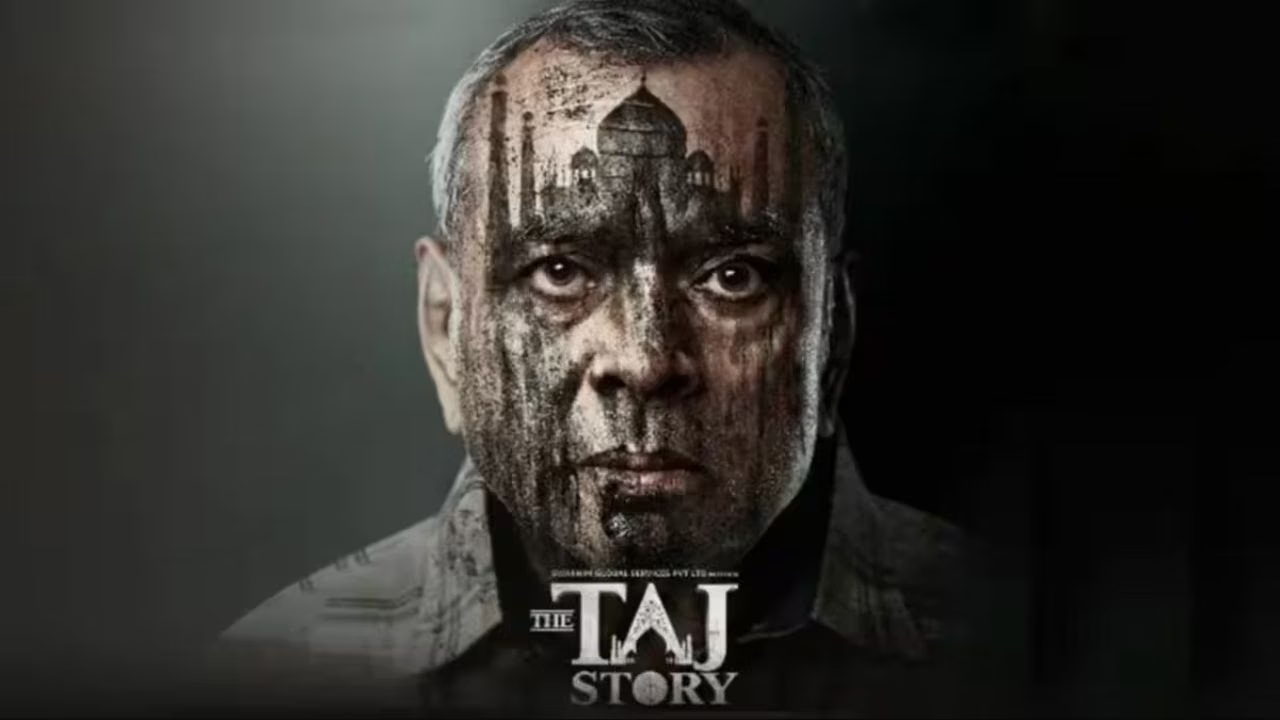
The Taj Story controversy has reignited discussion about how historical narratives are portrayed in films and web series. As history based courtroom dramas gain popularity on OTT platforms, debates about historical interpretation, cultural sensitivity, and political narratives continue to intensify.
The Taj Story Controversy and Its Immediate Impact
The Taj Story controversy highlights how historical storytelling can quickly become a subject of public debate in India. Films and web series that reinterpret historical events often draw scrutiny from political groups, historians, and audiences who question the accuracy or intent of the narrative.
When a production focuses on sensitive historical topics such as the origins of monuments, political dynasties, or religious history, reactions can emerge from multiple sides. Some groups may argue that creative works distort historical facts, while filmmakers often defend their right to explore alternative perspectives or dramatic interpretations.
In the case of The Taj Story, the controversy illustrates how a courtroom drama centered on historical claims can become a flashpoint for political discussions. Even before viewers evaluate the storytelling itself, debates about history and identity can dominate public attention.
History Based Courtroom Dramas on OTT Platforms
The rise of OTT platforms has expanded opportunities for filmmakers to experiment with complex historical themes. Unlike traditional theatrical releases, streaming services allow longer narrative formats such as multi episode series.
Courtroom dramas have become a popular storytelling approach for exploring historical controversies. In this format, legal arguments and witness testimonies allow writers to present competing interpretations of events. Viewers are exposed to multiple perspectives, which can make the narrative feel investigative and intellectually engaging.
However, the same narrative structure can also amplify controversies. When historical claims are presented in dramatic courtroom settings, audiences may interpret them as factual conclusions rather than fictional storytelling devices.
Because of this blurred boundary between drama and historical interpretation, courtroom narratives often trigger strong reactions from viewers who believe their cultural or historical heritage is being challenged.
Why Historical Narratives Often Become Political Debates
The Taj Story controversy reflects a broader pattern seen in several historical productions in India. History plays a powerful role in shaping national identity, cultural pride, and political discourse.
When filmmakers revisit historical figures, monuments, or events, their interpretations may differ from widely accepted historical accounts. These differences can trigger debate among historians, political commentators, and community organizations.
Political debates often arise because historical narratives influence contemporary discussions about identity, heritage, and social values. A film or series that questions established historical interpretations may be perceived by some viewers as a political statement rather than entertainment.
Social media also accelerates these debates. Within hours of a trailer or promotional material being released, discussions can spread rapidly across platforms such as X, Instagram, and YouTube.
Creative Freedom Versus Historical Accuracy
One of the central questions raised by controversies like The Taj Story involves the balance between creative freedom and historical accuracy. Filmmakers often argue that cinema and television are forms of artistic expression that allow imaginative storytelling.
Dramatic narratives frequently simplify complex historical events to make them accessible to viewers. Writers may combine multiple characters into a single role or dramatize events to build emotional tension.
Historians, however, emphasize the importance of accurate representation when dealing with sensitive historical subjects. They argue that audiences may not always distinguish between fictional elements and historical facts, particularly when stories are presented in a realistic format.
This tension between storytelling freedom and historical responsibility remains a recurring debate in Indian cinema and streaming content.
Audience Expectations in the Age of Digital Content
The expansion of digital streaming platforms has changed how audiences consume historical content. Viewers today often research topics online after watching films or series, comparing the story with historical records.
This trend increases public scrutiny of historical storytelling. Audiences expect creators to provide context or disclaimers explaining when a narrative includes fictional elements.
At the same time, audiences also appreciate complex narratives that explore lesser known historical questions. Courtroom style storytelling allows writers to present debates rather than definitive answers, which can encourage viewers to explore history more deeply.
The challenge for filmmakers lies in maintaining dramatic engagement while ensuring that narratives do not mislead audiences about historical evidence.
The Future of Historical Dramas in India
Despite controversies, historical dramas remain a significant genre in Indian entertainment. Stories based on historical events attract audiences because they combine education, drama, and cultural exploration.
OTT platforms continue to invest in such projects because they generate strong viewer engagement and discussion. Controversies may even increase public curiosity, leading more viewers to watch the content and form their own opinions.
However, the industry is increasingly aware of the importance of research, historical consultation, and responsible storytelling. Many productions now involve historians or academic advisors during script development.
The Taj Story controversy demonstrates that historical narratives will likely continue to generate debate in India’s evolving media landscape.
Takeaways
• The Taj Story controversy highlights how historical storytelling can trigger public debate
• Courtroom dramas allow filmmakers to present competing interpretations of historical events
• Tensions often arise between creative freedom and expectations of historical accuracy
• OTT platforms are expanding the popularity of history based storytelling in India
FAQs
What is The Taj Story controversy about?
The controversy centers on how the production interprets historical claims related to the Taj Mahal and whether those interpretations are historically accurate.
Why do historical films often face criticism?
Historical films may present interpretations that differ from established historical research, which can lead to debate among historians and the public.
Are courtroom dramas based on history always factual?
No. Courtroom dramas often blend historical elements with fictional storytelling to create dramatic narratives.
Why are historical shows popular on OTT platforms?
Streaming platforms allow longer storytelling formats, which make it easier to explore complex historical topics in detail.










Leave a comment