

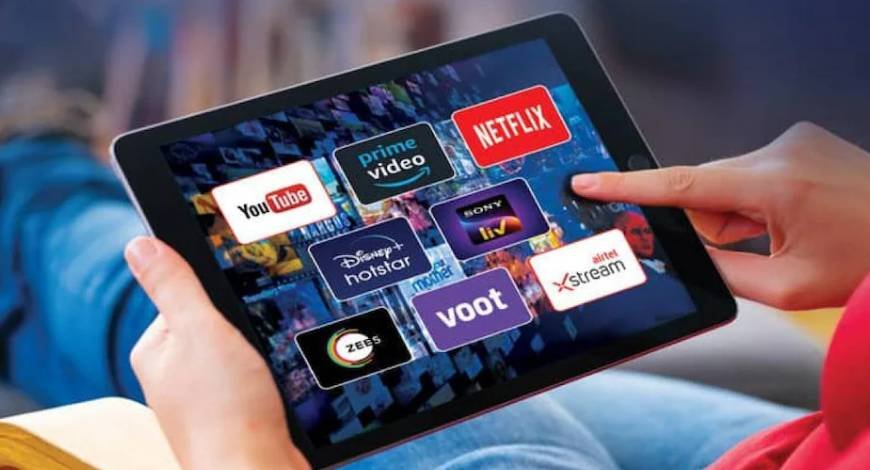
The TV serials vs OTT debate reflects a major shift in entertainment habits across smaller cities in India. As digital access expands, audiences in Tier-2 and Tier-3 regions are moving from traditional television to on-demand streaming platforms.
TV Serials vs OTT: A Structural Shift in Viewing Habits
The TV serials vs OTT trend is an ongoing and evolving shift rather than a short-term news event. Over the past few years, smaller cities have witnessed a steady transition from fixed-time television viewing to flexible, on-demand content consumption.
Television serials have traditionally dominated Indian households, especially in non-metro areas. Daily soaps with family-centric narratives have been a staple for decades. However, OTT platforms have introduced a new model that prioritizes convenience and variety.
Viewers now have the option to watch content anytime, which aligns better with changing lifestyles and work patterns in semi-urban regions.
Why OTT Platforms Are Gaining Ground in Tier-2 Cities
OTT platforms are gaining popularity in smaller cities due to accessibility and affordability. The widespread availability of smartphones and low-cost internet has removed entry barriers for digital content consumption.
Platforms offer flexible subscription plans, including ad-supported models, which appeal to price-sensitive audiences. This has made OTT more inclusive compared to earlier perceptions of it being metro-centric.
Content diversity is another key factor. OTT platforms provide access to multiple genres, languages, and formats that are not available on traditional television. This variety attracts younger audiences who seek fresh and engaging narratives.
TV Serials Still Hold Strong Cultural Relevance
Despite the growth of OTT, TV serials continue to have a strong presence in smaller cities. Family-oriented storytelling and consistent daily schedules make them accessible to a wide demographic, including older viewers.
Television does not require individual devices or internet connectivity, which still makes it relevant in households with limited digital access. It also serves as a shared viewing experience for families.
Many viewers continue to follow long-running shows due to emotional attachment and familiarity. This ensures that television remains a significant part of the entertainment ecosystem.
Changing Preferences Among Younger Audiences
Younger audiences in Tier-2 cities are driving the shift toward OTT platforms. They prefer content that is fast-paced, realistic, and aligned with current social themes.
Shorter episode formats and season-based storytelling are more suited to mobile viewing. This contrasts with television serials that often follow extended narratives with slower progression.
Social media also influences viewing choices. Trending shows, clips, and recommendations play a role in what younger viewers decide to watch.
This demographic is less tied to traditional viewing schedules and values flexibility and personalization.
Impact of Regional Content and Language Diversity
Regional content has become a key driver in the OTT vs TV shift. Platforms are investing in shows that reflect local cultures, languages, and settings.
This has expanded the appeal of OTT beyond English and Hindi-speaking audiences. Viewers in smaller cities are increasingly exploring content in regional languages with subtitles.
Television, while still offering regional programming, is limited by time slots and format constraints. OTT platforms provide greater freedom for creators to experiment with diverse narratives.
This has resulted in a broader and more inclusive content ecosystem.
Economic and Industry Implications
The shift from TV serials to OTT is influencing advertising and content production strategies. Advertisers are gradually reallocating budgets toward digital platforms to target specific audience segments.
Production houses are also adapting by creating content tailored for OTT audiences. This includes higher production quality and more focused storytelling.
At the same time, television networks are evolving by launching their own streaming platforms and integrating digital strategies.
For smaller cities, this transition creates new opportunities in content creation, digital marketing, and media-related jobs.
What the Future Holds for TV and OTT
The future of entertainment in smaller cities is likely to be a hybrid model where both TV and OTT coexist. While OTT will continue to grow, television will remain relevant for certain audience segments.
The pace of transition will depend on factors such as internet penetration, device accessibility, and content preferences. As these factors evolve, the balance between the two mediums may shift further.
For now, the trend clearly indicates that OTT platforms are gaining a stronger foothold in Tier-2 and Tier-3 markets.
Takeaways
- OTT platforms are rapidly gaining popularity in smaller cities
- TV serials remain relevant due to accessibility and family viewing
- Younger audiences are driving the shift toward digital content
- Regional content is a major factor in OTT growth
FAQs
Why are OTT platforms becoming popular in smaller cities?
Affordable internet, smartphone access, and diverse content options are driving adoption.
Do TV serials still have an audience?
Yes, especially among older viewers and families who prefer scheduled programming.
What type of content works best on OTT in Tier-2 cities?
Realistic, fast-paced stories and regional content tend to perform well.
Will OTT completely replace television?
No, both are likely to coexist, with OTT growing faster among younger audiences.












Leave a comment