

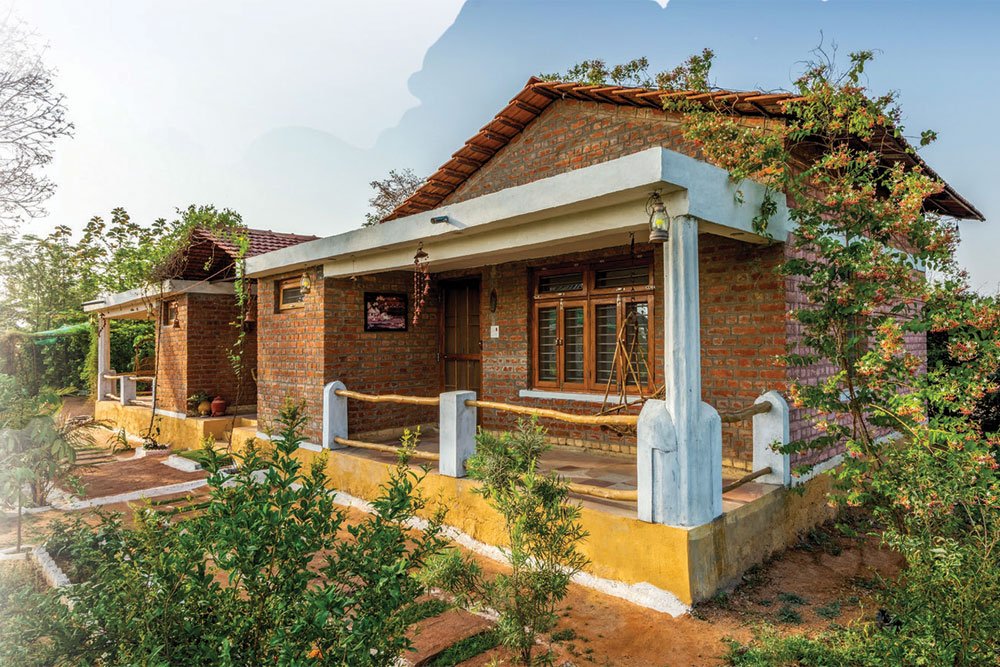
Madhya Pradesh is expanding its rural tourism circuits to attract domestic and international travellers. With a focus on heritage villages, eco-tourism, and cultural experiences, the state aims to replicate the success model seen in Rajasthan’s tourism-driven local economies.
Madhya Pradesh Rural Tourism Gains Strategic Focus
Madhya Pradesh rural tourism is emerging as a key focus area in the state’s tourism strategy. The government has been actively promoting village-based tourism circuits that highlight local culture, crafts, wildlife, and traditional lifestyles.
Unlike conventional tourism that centres around cities or monuments, rural tourism spreads economic activity across smaller regions. This approach is designed to increase tourist stay duration while distributing income more evenly across communities.
Destinations near Khajuraho, Orchha, and tribal belts are being integrated into curated tourism circuits. These circuits combine heritage, nature, and local experiences, making them attractive for experiential travellers.
Learning from Rajasthan’s Proven Tourism Model
Rajasthan’s success in rural and heritage tourism offers a strong benchmark. The state has effectively converted villages and heritage properties into tourism assets through homestays, cultural festivals, and curated experiences.
Madhya Pradesh is attempting a similar approach by promoting heritage villages, local crafts, and community-driven tourism. However, Rajasthan benefits from a globally recognised brand and established tourist flow, which gives it a natural advantage.
To replicate this success, Madhya Pradesh will need consistent branding, strong storytelling, and seamless visitor experiences. Simply developing circuits is not enough without sustained promotion and infrastructure support.
Infrastructure and Connectivity Remain Key Challenges
One of the major factors that will determine the success of Madhya Pradesh rural tourism is infrastructure readiness. While the state has strong tourism potential, last-mile connectivity to rural destinations remains inconsistent in many areas.
Road access, transport options, and basic amenities such as clean accommodation and sanitation facilities are critical for attracting tourists. Rajasthan’s tourism growth has been supported by relatively better connectivity and hospitality infrastructure.
Madhya Pradesh has started addressing these gaps through road development projects and partnerships with private operators. However, scaling this across multiple rural circuits will require sustained investment and execution.
Role of Local Communities in Tourism Development
Community participation is central to the rural tourism model. In Madhya Pradesh, local artisans, tribal communities, and small entrepreneurs are being encouraged to take part in tourism activities.
Homestays, guided tours, handicraft sales, and cultural performances provide direct income opportunities for residents. This not only boosts local economies but also helps preserve traditional art forms and cultural practices.
For long-term success, training and skill development will be essential. Tourists expect a certain level of service quality, and communities need support to meet those expectations.
Eco-Tourism and Sustainable Travel Opportunities
Madhya Pradesh has a natural advantage in eco-tourism due to its forests, wildlife reserves, and biodiversity. Integrating eco-tourism with rural circuits can create a differentiated offering compared to Rajasthan.
Sustainable tourism practices are becoming increasingly important, especially among younger travellers. Experiences such as nature trails, farm stays, and wildlife tours can attract this segment.
Balancing tourism growth with environmental conservation will be critical. Over-commercialisation could damage natural ecosystems, which are key attractions in the first place.
Can Madhya Pradesh Match Rajasthan’s Tourism Success
Madhya Pradesh has the potential to build a strong rural tourism ecosystem, but replicating Rajasthan’s scale will take time. Rajasthan’s advantage lies in decades of brand building, consistent policy support, and global visibility.
Madhya Pradesh is still in the growth phase. Its success will depend on execution, marketing, and the ability to deliver consistent tourist experiences across multiple locations.
If the state can address infrastructure gaps, strengthen branding, and ensure community involvement, it can emerge as a competitive rural tourism destination in India.
Takeaways
Madhya Pradesh is expanding rural tourism circuits to boost local economies
Rajasthan’s model offers a proven benchmark but comes with strong competition
Infrastructure and connectivity remain critical challenges for scaling tourism
Community participation and eco-tourism can become key differentiators
FAQs
What is rural tourism in Madhya Pradesh?
It focuses on promoting village-based travel experiences, including culture, crafts, wildlife, and local lifestyles.
Why is Rajasthan considered a benchmark for tourism?
Rajasthan has successfully developed heritage and rural tourism through strong branding, infrastructure, and consistent visitor experiences.
What challenges does Madhya Pradesh face in tourism expansion?
Key challenges include infrastructure gaps, connectivity issues, and the need for better promotion and service quality.
Can rural tourism benefit local communities?
Yes, it creates income opportunities through homestays, handicrafts, and tourism services while preserving cultural heritage.







Leave a comment