

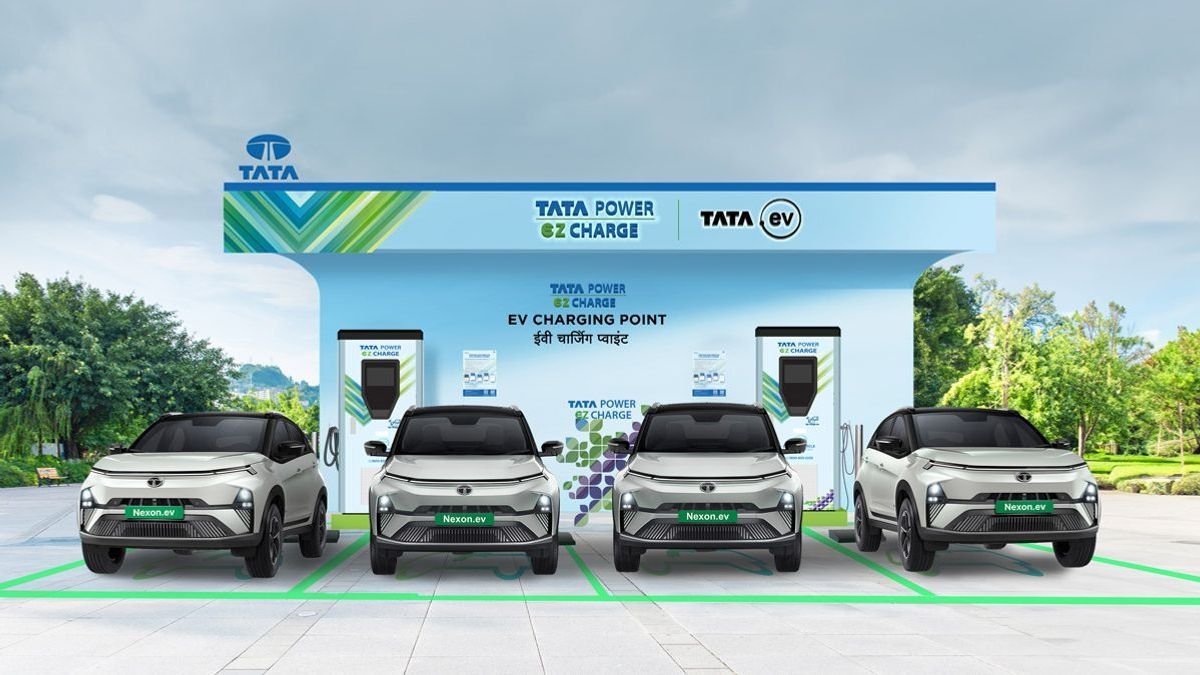
The EV subsidy extension in India is expected to accelerate electric vehicle adoption, especially in Tier-2 and Tier-3 cities. With reduced upfront costs and improved infrastructure, buyers in smaller cities are now finding EVs more practical and financially viable.
The EV subsidy extension has become a key development in India’s push toward electric mobility. For buyers in smaller cities, this move directly impacts affordability, ownership costs, and long-term savings, making electric vehicles a more realistic alternative to petrol and diesel options.
What the EV Subsidy Extension Means for Buyers
The extension of EV subsidies primarily reduces the initial purchase cost through incentives offered under central and state schemes such as FAME and localized EV policies. These incentives can significantly lower the effective price of electric two-wheelers and cars.
For buyers in Tier-2 cities, where price sensitivity is high, this makes a noticeable difference. A lower upfront cost improves decision-making, especially for middle-income households evaluating total ownership expenses.
In addition, subsidies are often linked to battery capacity and vehicle type, encouraging buyers to opt for more efficient and higher-range models.
Increased Affordability and Total Cost Benefits
One of the strongest advantages of EVs is lower running cost, and the subsidy extension enhances this benefit. Electricity is cheaper than petrol or diesel, and maintenance costs are generally lower due to fewer moving parts.
In smaller cities, where daily commute distances are predictable and shorter, EVs become even more practical. Two-wheelers and compact cars are especially suitable for such usage patterns.
When combined with subsidies, the total cost of ownership over three to five years often becomes lower than conventional vehicles. This is a key factor influencing first-time EV buyers in non-metro regions.
Infrastructure Growth in Tier-2 Cities
A major concern for EV adoption has been charging infrastructure. However, Tier-2 cities are gradually seeing improvements in this area. Public charging stations are being installed by both government bodies and private players.
Residential charging is also easier to manage in smaller cities due to better access to parking spaces compared to dense metro areas. Many buyers are opting for home charging setups, reducing dependence on public infrastructure.
State governments are also offering incentives for setting up charging stations, which is expected to accelerate network expansion in the coming years.
Role of State Policies and Local Incentives
Apart from central subsidies, several states have introduced additional benefits such as road tax exemptions, registration fee waivers, and direct purchase incentives. These policies vary by state but collectively make EV ownership more attractive.
For buyers in smaller cities, these localized incentives can further reduce costs and simplify the buying process. Awareness of these benefits is increasing through dealership networks and digital platforms.
States with proactive EV policies are witnessing faster adoption rates, particularly in electric two-wheelers and commercial vehicles such as e-rickshaws.
Challenges Still Affecting Adoption
Despite the subsidy extension, some challenges remain. Range anxiety continues to be a concern for buyers who travel long distances or lack access to reliable charging infrastructure.
Initial awareness is another issue. Many potential buyers in smaller cities are still unfamiliar with EV performance, battery life, and long-term savings. Misinformation can slow down adoption.
Battery replacement costs and resale value are also factors that buyers consider before making a decision. While the market is evolving, clarity on these aspects is still developing.
Long-Term Impact on Smaller City Mobility
The EV subsidy extension is expected to play a significant role in transforming mobility patterns in Tier-2 and Tier-3 cities. As adoption increases, supporting infrastructure and service networks will also expand.
Local businesses, delivery services, and shared mobility operators are likely to adopt EVs at a faster pace due to cost advantages. This could create a ripple effect, encouraging individual buyers to make the switch.
Over time, smaller cities may become key drivers of India’s EV growth, supported by affordability, practicality, and policy incentives.
Takeaways
- EV subsidy extension lowers upfront cost and improves affordability for buyers
- Tier-2 cities benefit from lower running costs and easier home charging options
- State incentives further enhance the appeal of electric vehicles
- Challenges like awareness and infrastructure still need to be addressed
FAQs
What is the EV subsidy extension in India?
It refers to the continuation of government incentives that reduce the purchase cost of electric vehicles under schemes like FAME and state policies.
Why is this important for smaller cities?
Buyers in Tier-2 and Tier-3 cities are more price-sensitive, so subsidies make EVs more accessible and practical.
Are EVs cheaper to run than petrol vehicles?
Yes, electricity costs less than fuel, and EVs typically have lower maintenance expenses.
Is charging infrastructure available in smaller cities?
It is improving gradually, with more public and private charging stations being installed.











Leave a comment