

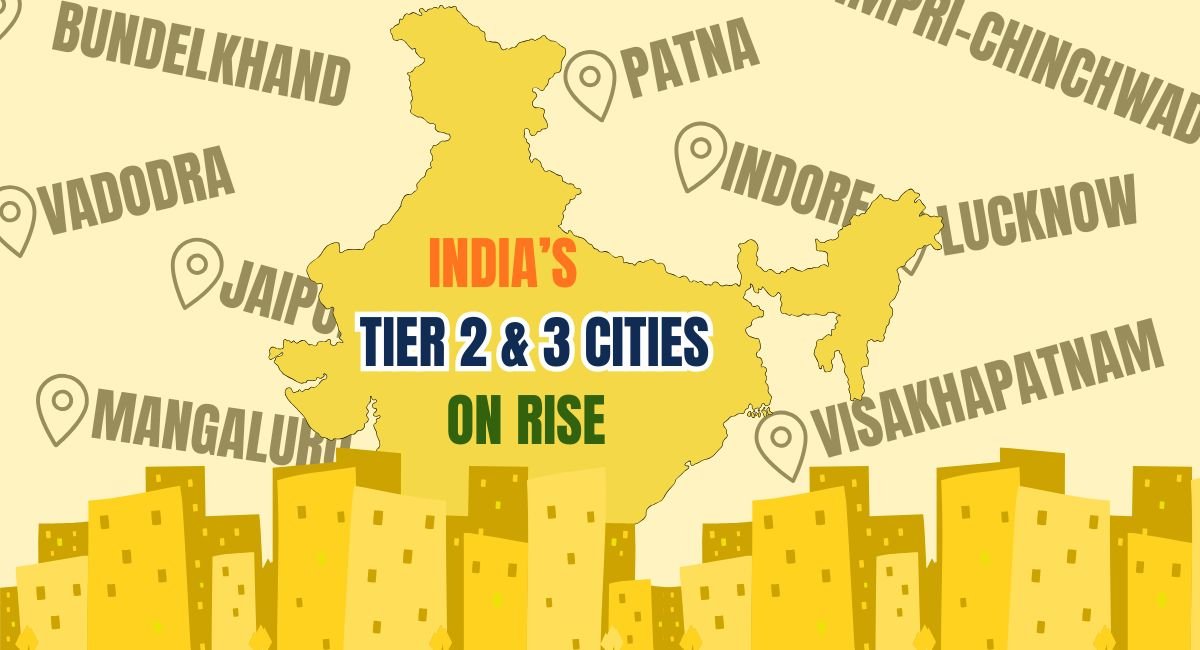
The rise of skill-based degrees in India is being driven strongly by students in Tier-2 and Tier-3 cities. With changing job market demands and limited returns from traditional degrees, learners are prioritizing practical, industry-ready education over conventional academic paths.
The rise of skill-based degrees is becoming a defining trend in India’s education system, especially across smaller cities. Students are increasingly moving away from theory-heavy courses and opting for programs that offer direct employability, hands-on training, and faster entry into the workforce.
Why Skill-Based Education Is Gaining Popularity
Skill-based degrees are gaining traction because they align closely with industry requirements. Traditional degrees often focus on theoretical knowledge, while employers today prioritize practical skills such as coding, digital marketing, data analysis, and design.
In Tier-2 cities, this shift is more visible due to economic considerations. Students and families are evaluating return on investment more carefully. Spending several years on a degree that does not guarantee employment is becoming less acceptable.
Government initiatives such as Skill India and the National Education Policy 2020 have also emphasized vocational training and multidisciplinary learning. This policy push is encouraging institutions to redesign courses around real-world skills.
Role of Tier-2 Cities in Driving Education Trends
Smaller cities are no longer passive participants in education trends. They are actively shaping them. Cities like Nagpur, Indore, Surat, and Coimbatore are witnessing a rise in private institutes, edtech partnerships, and skill-focused training centers.
Lower living costs and increasing access to digital tools make it easier for students in these cities to experiment with alternative education paths. Unlike metros, where competition and costs are higher, Tier-2 cities offer a more flexible environment for trying new formats of learning.
Local demand is also influencing institutions to introduce courses in areas such as artificial intelligence, UI UX design, fintech, and entrepreneurship. This demand-driven model is accelerating the adoption of skill-based degrees.
Impact of EdTech and Online Learning Platforms
The expansion of edtech platforms has played a major role in the rise of skill-based degrees. Online learning has removed geographical barriers, allowing students in smaller cities to access the same quality of education as those in metro areas.
Platforms offering certifications, bootcamps, and hybrid degree models are gaining popularity. Many of these courses are designed in collaboration with industry professionals, ensuring relevance and practical exposure.
Students are also combining formal education with online certifications to enhance their employability. This hybrid approach is becoming common among learners who want both credibility and skill development.
Changing Career Mindset Among Students
The mindset of students in Tier-2 cities is shifting significantly. Earlier, career choices were limited to engineering, medicine, or government jobs. Today, there is growing acceptance of unconventional careers in areas like content creation, gaming, digital services, and startups.
Skill-based degrees support this shift by offering targeted training. Instead of spending years on a broad curriculum, students can focus on specific skills that match their interests and market demand.
Parents are gradually adapting to this change as well. Awareness about new career opportunities and success stories from non-traditional paths is helping build trust in skill-based education.
Industry Demand and Employability Factor
One of the biggest drivers behind this trend is employability. Companies are increasingly hiring based on skills rather than degrees alone. Startups and digital-first companies, in particular, value practical experience and problem-solving ability.
This has created a gap that traditional education struggles to fill. Skill-based degrees are stepping in to bridge this gap by offering project-based learning, internships, and real-world exposure.
In Tier-2 cities, where job opportunities may be limited compared to metros, having industry-relevant skills gives students a competitive advantage. It allows them to access remote work, freelance opportunities, and global job markets.
Challenges and the Road Ahead
Despite the growth, skill-based education faces challenges. Standardization, quality control, and recognition are still evolving. Not all programs offer the same level of credibility or industry acceptance.
There is also a need for better integration between traditional universities and skill-based courses. Hybrid models that combine academic knowledge with practical training could be the way forward.
If these challenges are addressed, Tier-2 cities could become central to India’s education transformation. They have the scale, demand, and adaptability required to drive long-term change.
Takeaways
- Skill-based degrees are rising due to strong industry demand and employability focus
- Tier-2 cities are actively driving adoption of practical and flexible education models
- Edtech platforms are enabling access to high-quality skill training across regions
- Students are shifting toward career paths based on skills rather than traditional degrees
FAQs
What are skill-based degrees?
They are programs focused on practical training and industry-relevant skills rather than purely theoretical knowledge.
Why are Tier-2 cities adopting skill-based education faster?
Lower costs, growing awareness, and the need for better job outcomes are encouraging students to choose skill-focused courses.
Do skill-based degrees guarantee jobs?
They improve employability significantly, but job outcomes still depend on individual performance and market conditions.
How is edtech influencing this trend?
Edtech platforms provide accessible and affordable skill training, making it easier for students in smaller cities to learn in-demand skills.











Leave a comment