

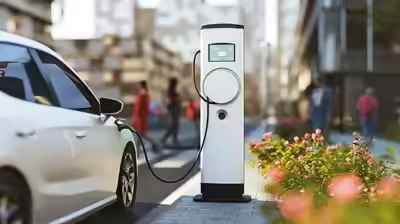
Pune’s EV after-sales boom is highlighting a deeper shift in India’s electric mobility story, where smaller cities are not just adopting electric vehicles but building strong service ecosystems. This trend is reshaping how EV growth is sustained beyond initial vehicle sales.
Pune’s EV After-Sales Boom Reflects Changing Market Dynamics
Pune’s EV after-sales boom is emerging as a key indicator of how India’s electric vehicle market is maturing. While early EV adoption was largely driven by metro cities, the focus is now shifting to service infrastructure in cities like Pune, Nagpur, and Ahmedabad.
After-sales services include battery diagnostics, maintenance, spare parts supply, and software updates. As more EVs hit the road, demand for these services has grown rapidly. Pune, with its strong automotive base and skilled workforce, is naturally becoming a hub for such operations.
This shift shows that EV growth is no longer just about selling vehicles but about sustaining them over time.
EV Service Ecosystem Expands Beyond Metro Cities
One of the most significant developments in India’s EV transition is the expansion of the EV service ecosystem into Tier 2 cities. Pune stands out because it combines industrial infrastructure with rising consumer demand for electric vehicles.
Workshops specializing in EV repairs are increasing, and traditional garages are also upgrading their capabilities to handle electric models. Training programs for EV technicians are gaining traction, addressing the skills gap in this new segment.
This decentralization of services reduces dependence on metro cities and improves accessibility for EV owners in nearby regions.
Why After-Sales Services Are Critical for EV Adoption
The success of electric mobility depends heavily on reliable after-sales support. Unlike conventional vehicles, EVs rely on battery health, electronic systems, and software integration, making specialized servicing essential.
Consumers in smaller cities are often cautious about adopting new technology. A strong local service network builds confidence, reduces downtime, and lowers long-term ownership concerns.
Pune’s EV after-sales boom is therefore not just a business trend but a trust-building mechanism that encourages more buyers to consider electric vehicles.
Role of Startups and Local Businesses in EV Growth
Startups and local entrepreneurs are playing a crucial role in strengthening the EV after-sales market. Many new businesses are focusing exclusively on battery refurbishment, charging solutions, and mobile servicing units.
In Pune, several startups are collaborating with fleet operators and delivery companies that rely heavily on electric two-wheelers and three-wheelers. These partnerships create steady demand for maintenance services and help standardize service quality.
Local businesses are also innovating with doorstep servicing and subscription-based maintenance models, making EV ownership more convenient.
Employment and Skill Development Opportunities Rising
The growth of EV after-sales services is creating new employment opportunities in smaller cities. Technicians, software specialists, and service managers are increasingly in demand as the EV ecosystem expands.
Training institutes and automotive companies are introducing EV-focused courses to prepare the workforce for this transition. Pune’s educational and industrial ecosystem makes it a natural center for such skill development initiatives.
This trend is important because it ensures that the benefits of the EV revolution are not limited to vehicle manufacturers but extend to job creation at the local level.
What This Means for India’s Electric Mobility Future
Pune’s EV after-sales boom offers a clear insight into the next phase of India’s electric mobility journey. Growth is no longer confined to vehicle sales in metro cities but is spreading through service networks in smaller urban centers.
As Tier 2 and Tier 3 cities strengthen their EV ecosystems, the overall adoption curve is likely to become more stable and sustainable. Improved service access will reduce ownership concerns and encourage wider acceptance of electric vehicles.
This shift also indicates that policy support and private investment need to focus equally on infrastructure and services, not just manufacturing and sales.
Takeaways
- Pune is emerging as a major hub for EV after-sales services in India
- Tier 2 cities are playing a key role in expanding EV service networks
- Strong after-sales support is critical for building consumer confidence in EVs
- The EV ecosystem is generating new jobs and skill development opportunities
FAQs
Q1. What is meant by EV after-sales services?
It includes maintenance, battery checks, repairs, software updates, and spare parts support for electric vehicles after purchase.
Q2. Why is Pune important in India’s EV ecosystem?
Pune has a strong automotive industry base, skilled workforce, and growing EV demand, making it ideal for service expansion.
Q3. How do after-sales services influence EV adoption?
Reliable service networks reduce ownership concerns, improve vehicle performance, and build trust among potential buyers.
Q4. Are smaller cities contributing significantly to EV growth?
Yes, Tier 2 and Tier 3 cities are increasingly driving both adoption and service ecosystem development.











Leave a comment