

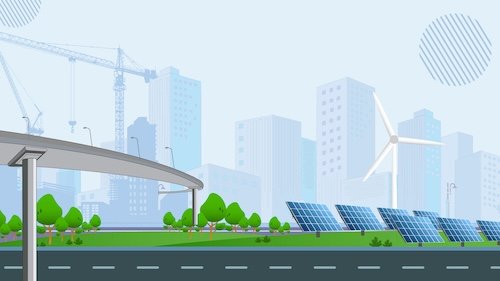
India’s Tier-2 cities are increasingly being seen as the next growth engines, but the question remains whether they are fully prepared for a sustained economic boom. Infrastructure, jobs, and digital access will decide how far they can go.
The debate around Tier-2 cities economic boom in India is no longer theoretical. Cities like Indore, Nagpur, Jaipur, and Coimbatore are already witnessing rising investments, startup activity, and population inflow. However, readiness varies sharply across regions, and structural gaps still exist.
Growth Drivers Behind Tier-2 Cities Economic Boom
Tier-2 cities are benefiting from multiple economic shifts happening simultaneously. Rising costs in metro cities have pushed businesses to explore smaller urban centers where real estate, salaries, and operational expenses are lower.
Government initiatives such as Smart Cities Mission, industrial corridors, and infrastructure upgrades have improved connectivity. Better highways, regional airports, and digital penetration have made these cities more accessible for both businesses and talent.
Another key driver is remote work. Post-pandemic work models have allowed professionals to relocate to smaller cities without sacrificing career opportunities. This has increased local consumption and demand for services.
Infrastructure Readiness and Urban Challenges
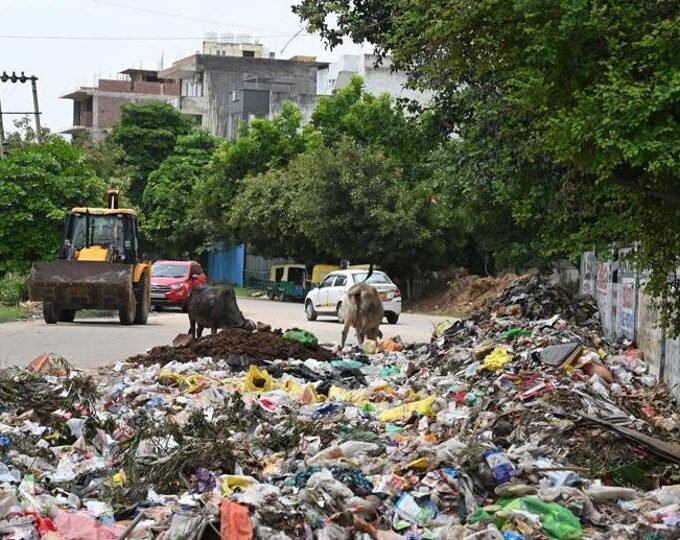
Despite visible progress, infrastructure remains uneven across Tier-2 cities. While some cities have modern transport systems and reliable utilities, others struggle with basic urban planning issues such as traffic congestion, water supply, and waste management.
Public transport is still underdeveloped in many locations, forcing reliance on private vehicles. This creates long-term sustainability challenges. Rapid population growth without matching infrastructure expansion can strain existing systems.
Housing is another concern. Although more affordable than metros, sudden demand spikes have started pushing property prices up in certain cities, reducing their cost advantage.
Job Creation and Startup Ecosystem Trends
Job creation is central to determining whether Tier-2 cities can sustain economic growth. Over the past few years, there has been a noticeable shift in hiring patterns. IT services, manufacturing, and logistics companies are expanding operations beyond metro cities.
Startup ecosystems are also emerging in cities like Indore and Jaipur. These ecosystems are supported by lower operational costs and increasing access to funding networks. However, they still lack the depth and scale seen in Bengaluru or Mumbai.
A key limitation is access to high-skilled talent. While basic workforce availability is strong, specialized roles often require relocation from metro cities, which not all professionals are willing to do.
Digital Infrastructure and Financial Inclusion
One of the strongest advantages of Tier-2 cities is rapid digital adoption. Affordable smartphones and widespread internet access have transformed how people work, shop, and access services.
UPI transactions and digital payments have seen significant growth in smaller cities, indicating strong financial inclusion. This digital backbone supports e-commerce, fintech, and online education platforms.
However, digital literacy gaps still exist. While access has improved, effective usage for business and productivity purposes is still evolving in many regions.
Consumption Patterns and Local Economy Shift
Consumption patterns in Tier-2 cities are changing quickly. Rising incomes and aspirations are driving demand for branded products, entertainment, and lifestyle services.
Retail chains, quick commerce platforms, and food delivery services are expanding aggressively into these markets. This creates a multiplier effect, generating more local jobs and boosting small businesses.
At the same time, traditional sectors such as agriculture-linked industries and local manufacturing continue to play a major role. The balance between modern and traditional economies will shape long-term growth.
Policy Support and Future Outlook
Government policy will play a decisive role in determining whether Tier-2 cities can fully capitalize on the economic opportunity. Continued investment in infrastructure, education, and skill development is essential.
Policies that encourage decentralized industrial growth and ease of doing business in smaller cities can accelerate momentum. States that actively promote investment are likely to see faster development.
The next phase of India’s economic expansion will not be limited to metros. Tier-2 cities are positioned to contribute significantly, but their readiness depends on how quickly existing gaps are addressed.
Takeaways
• Tier-2 cities are emerging as key drivers of India’s economic growth
• Infrastructure gaps remain a major challenge in many regions
• Job creation and skilled talent availability will determine sustainability
• Policy support and digital adoption are critical for long-term success
FAQs
Q1: What are Tier-2 cities in India?
They are mid-sized cities with growing economic activity, such as Indore, Nagpur, and Jaipur.
Q2: Why are businesses moving to Tier-2 cities?
Lower costs, improving infrastructure, and access to untapped markets are key reasons.
Q3: Are Tier-2 cities better than metros for jobs?
They offer growing opportunities, but high-end roles are still concentrated in metro cities.
Q4: What challenges do Tier-2 cities face?
Infrastructure gaps, limited public transport, and shortage of skilled talent are major issues.








Leave a comment