

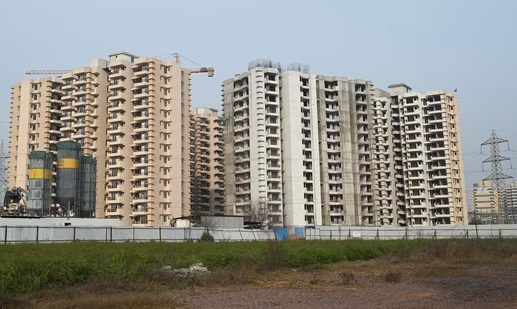
The rise in property registrations in Tier-2 cities is emerging as a clear post-pandemic trend across India. Improved affordability, remote work flexibility, and infrastructure upgrades are driving demand in cities beyond metros, reshaping the country’s real estate landscape in 2026.
The rise in property registrations in Tier-2 cities reflects a structural shift in buyer preferences after the pandemic. Data from state registration departments and industry reports over the past two years indicate consistent growth in housing demand in cities like Nagpur, Indore, Lucknow, and Coimbatore. This trend is not limited to residential units but also includes plotted developments and mid-segment housing.
Post-Pandemic Housing Demand Driving Tier-2 Real Estate Growth
Post-pandemic housing demand has moved beyond metro cities due to changes in work patterns and lifestyle priorities. Remote and hybrid work models have allowed professionals to relocate to smaller cities where cost of living is lower and quality of life is perceived to be better.
Tier-2 real estate growth is being fueled by buyers who are either returning to their hometowns or investing in second homes. Compared to metro markets like Mumbai or Bengaluru, property prices in Tier-2 cities remain significantly more accessible.
For example, a mid-income buyer can often afford a larger home in cities like Indore or Nagpur for the same budget that would only cover a smaller apartment in a metro. This affordability advantage is directly translating into higher property registrations.
Government incentives, including reduced stamp duty in some states during and after the pandemic, also contributed to increased transaction volumes.
Infrastructure Development Boosting Smaller City Investments
Infrastructure development in smaller cities is a key factor behind the surge in registrations. Projects such as new highways, metro rail expansions, and airport upgrades are improving connectivity and making Tier-2 cities more attractive for both living and investment.
Cities like Lucknow and Ahmedabad have seen significant improvements in urban infrastructure, including better road networks and public transport systems. These upgrades are increasing confidence among homebuyers and investors.
The Smart Cities Mission and other urban development initiatives have also played a role in improving civic amenities. Better water supply, waste management, and digital infrastructure are making these cities more livable.
As a result, property buyers are increasingly viewing Tier-2 locations as long-term investment destinations rather than temporary alternatives to metros.
Changing Buyer Preferences in Non-Metro Housing Markets
Buyer preferences have evolved significantly in the post-pandemic period. Demand is shifting toward larger homes, gated communities, and properties with better amenities.
Non-metro housing markets are witnessing higher interest in 2BHK and 3BHK units, as families prioritize space for work-from-home setups. Open spaces, ventilation, and proximity to essential services are now key decision factors.
There is also growing demand for plotted developments, especially among buyers looking for long-term appreciation and flexibility in construction. Developers are responding by launching integrated townships and mixed-use projects in Tier-2 cities.
Another notable trend is the rise of first-time homebuyers in these markets. Lower property prices and improved access to home loans are encouraging younger buyers to enter the market earlier.
Role of Digital Platforms in Property Registrations Growth
Digital transformation has simplified the property buying process in many states. Online registration systems, digital documentation, and virtual property tours are making transactions more transparent and efficient.
Property registrations growth is partly driven by these digital initiatives, which reduce paperwork and processing time. Buyers can now access property records, verify ownership, and complete registrations with fewer physical visits to government offices.
Real estate platforms and listing websites are also expanding their reach in smaller cities. This has increased market visibility for both buyers and sellers.
In addition, developers and brokers are using digital marketing to target audiences in Tier-2 and Tier-3 locations, further boosting demand.
Challenges in Sustaining Tier-2 Real Estate Momentum
Despite the strong growth, there are challenges that could impact the long-term sustainability of this trend. Job opportunities in smaller cities remain limited compared to metros, which can influence long-term migration decisions.
Inventory management is another concern. In some cities, rapid project launches could lead to oversupply if demand slows down.
Regulatory delays and land acquisition issues can also affect project timelines. Ensuring transparency and compliance remains critical for maintaining buyer confidence.
However, if infrastructure development continues and employment opportunities expand, Tier-2 cities are likely to sustain their growth trajectory.
What This Shift Means for India’s Real Estate Market
The rise in property registrations in Tier-2 cities signals a decentralization of India’s real estate market. Instead of being concentrated in a few metro hubs, demand is now spreading across multiple regions.
This shift is creating new opportunities for developers, investors, and homebuyers. It is also reducing pressure on metro cities by distributing population and economic activity more evenly.
For policymakers, this trend highlights the importance of continued investment in urban infrastructure and regional development.
As of 2026, Tier-2 cities are no longer secondary markets. They are becoming central to India’s real estate growth story.
Takeaways
– Property registrations are rising steadily in Tier-2 cities post-pandemic
– Affordability and remote work trends are driving demand beyond metros
– Infrastructure upgrades are increasing investment confidence in smaller cities
– Digital processes are making property transactions faster and more transparent
FAQs
Why are property registrations increasing in Tier-2 cities?
Lower property prices, better infrastructure, and flexible work options are encouraging buyers to invest in smaller cities.
Which cities are seeing the most growth?
Cities like Nagpur, Indore, Lucknow, and Coimbatore are witnessing strong demand and increased registrations.
Is this trend temporary or long-term?
Current indicators suggest it is a long-term structural shift, supported by infrastructure and lifestyle changes.
What risks should buyers consider in Tier-2 markets?
Buyers should evaluate job opportunities, project credibility, and future infrastructure development before investing.











Leave a comment